

Reform's Danny Kruger vows to scrap the Cabinet Office, the 12,000-strong 'blob within the blob' and abolish Tony Blair's unelected clerical class that really run Britain
Published 4 November 2026, 09:56
- In a Policy Exchange speech, Reform's Danny Kruger vowed to abolish the Cabinet Secretary post and split it into three.
- Whitehall would shrink by at least a third, back to 2016 staffing levels, under a Reform government.
- Kruger likened Cabinet Secretary Antonia Romeo's stated objectives to a worker telling the boss: 'Sorry, sir, no can do.'
- Tony Blair's legal revolution created an unelected 'clerical class' of officials, lawyers and judges, Kruger claimed.
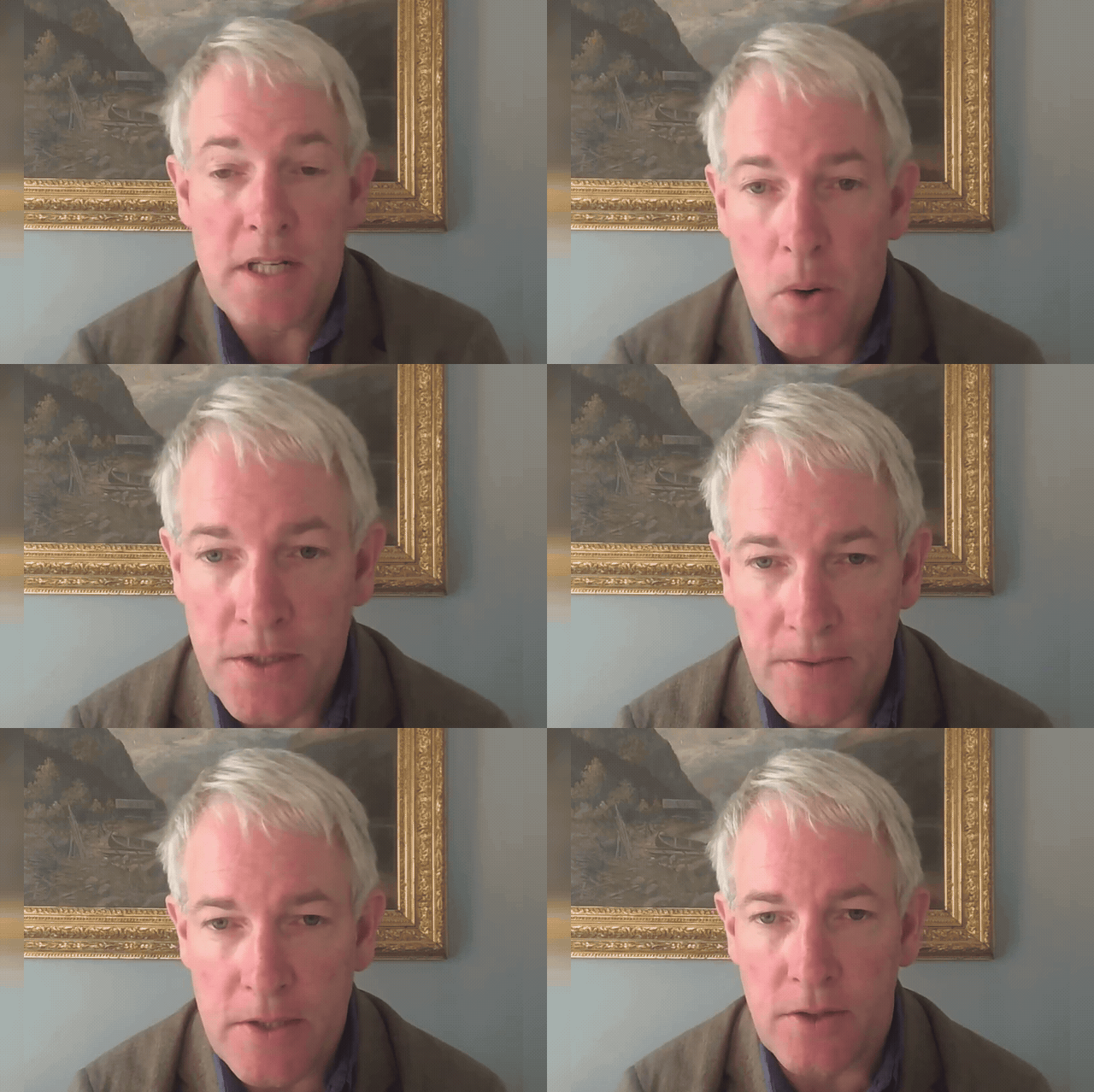
Reform UK's Danny Kruger has vowed to scrap the Cabinet Office entirely, calling it 'that great blob within the blob, 12,000 people strong' and 'the black hole that sucks talent and decision-making away from departments and from No 10, never to be seen again.'
Kruger, who leads Reform's preparations for government, set out the plan in a speech to the Policy Exchange think tank on 2 November 2026, published on his Substack.
He announced that a Reform government would abolish the post of Cabinet Secretary and split it into three separate roles.
The first would be a CEO of a new Department of the Civil Service, externally appointed.
The second would be a politically appointed Chief of Staff in No 10, serving as the Prime Minister's principal adviser.
The third would be a Chief Secretary to the Cabinet — a role Kruger said would mirror that of the first Cabinet Secretary, Maurice Hankey, in 1916: 'literally take the notes at Cabinet meetings, ensure ministers have the right paperwork, and see that decisions are passed on to the right part of government.'
Kruger also pledged to cut Whitehall by at least a third, returning it to 2016 staffing levels, 'with the expectation of going further if the promise of AI bears fruit and we can deliver the productivity gains that have so far eluded government.'
He called for a civil service staffed by 'hungry, innovative professionals' with genuine domain expertise rather than 'time-servers waiting for their pension.'
Civil servants directly advising ministers, he said, 'should be aligned with the mission of the government': in Reform's case, restoring democratic decision-making, strengthening the Armed Forces, and practising what he called 'national preference' — serving the British people rather than 'abstract virtues and humanity at large.'
Kruger's speech set out a three-part diagnosis of Britain's failures.
He argued the country faces a crisis of power, a crisis of culture and a crisis of legitimacy.
Parliament, he said, 'has given up its authority and its responsibility to quangos, expert bodies and the courts of international law, while neglecting its most essential duties to police our borders and maintain national defences.'
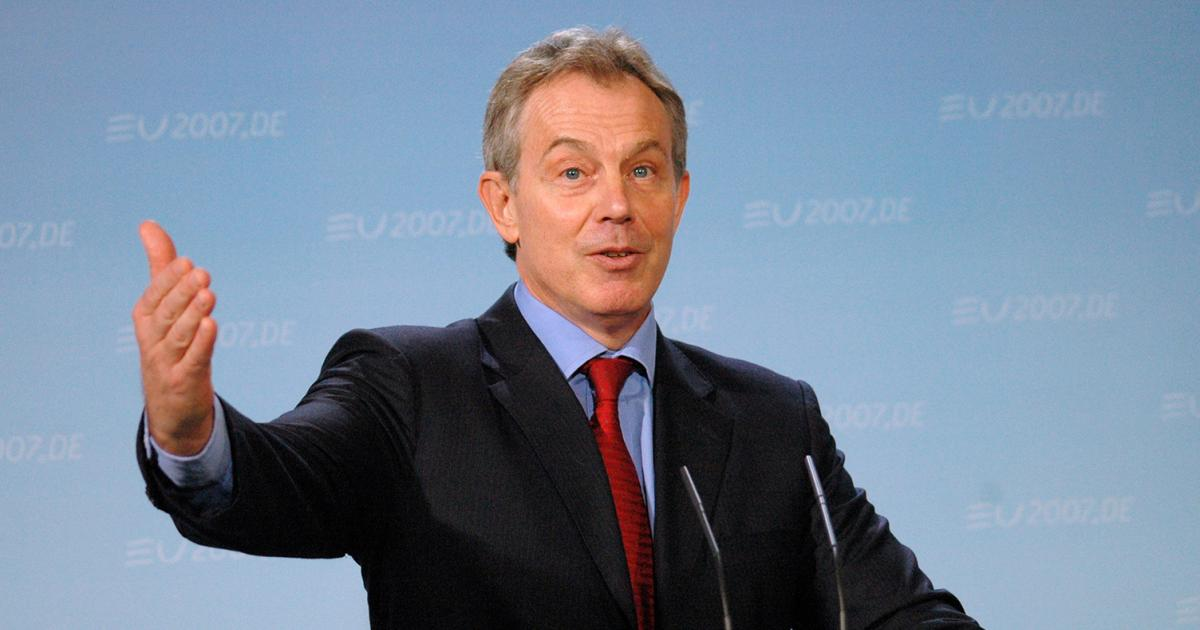
The root cause, Kruger said, was what he called the 'Starkey Thesis' — that since 1997 Britain has undergone a constitutional revolution under Tony Blair, carried out, in his words, 'in a fit of absence of mind.'
The Blair-era changes — including the Human Rights Act, the creation of the Supreme Court and the growing acceptance of international law as superior to domestic statute — had created an unelected 'clerical class' of officials, lawyers and judges beyond democratic control, he argued.
On the expansion of human rights law, Kruger cited Lord Sumption's observation that the right to family life 'was originally intended to protect privacy and marriage, but now offers the widest possible justification for almost anything a judge can be persuaded to think is right.'
Kruger directed particular criticism at the Constitutional Reform and Governance Act (CRAG) of 2010, which for the first time gave the civil service a statutory basis, bringing to an end its longstanding position as an executive responsibility under ministerial authority.
He described it as a manoeuvre by 'Sir Humphrey Appleby — or actually Sir Gus O'Donnell, GOD as he was rightly known,' arguing that senior officials exploited public disquiet about unelected advisers to create 'even more untrammelled power for themselves.'
He contrasted this with the principle articulated by Cabinet Secretary Robert Armstrong under Margaret Thatcher: 'The Civil Service as such has no constitutional personality or responsibility separate from the duly constituted Government of the day.'
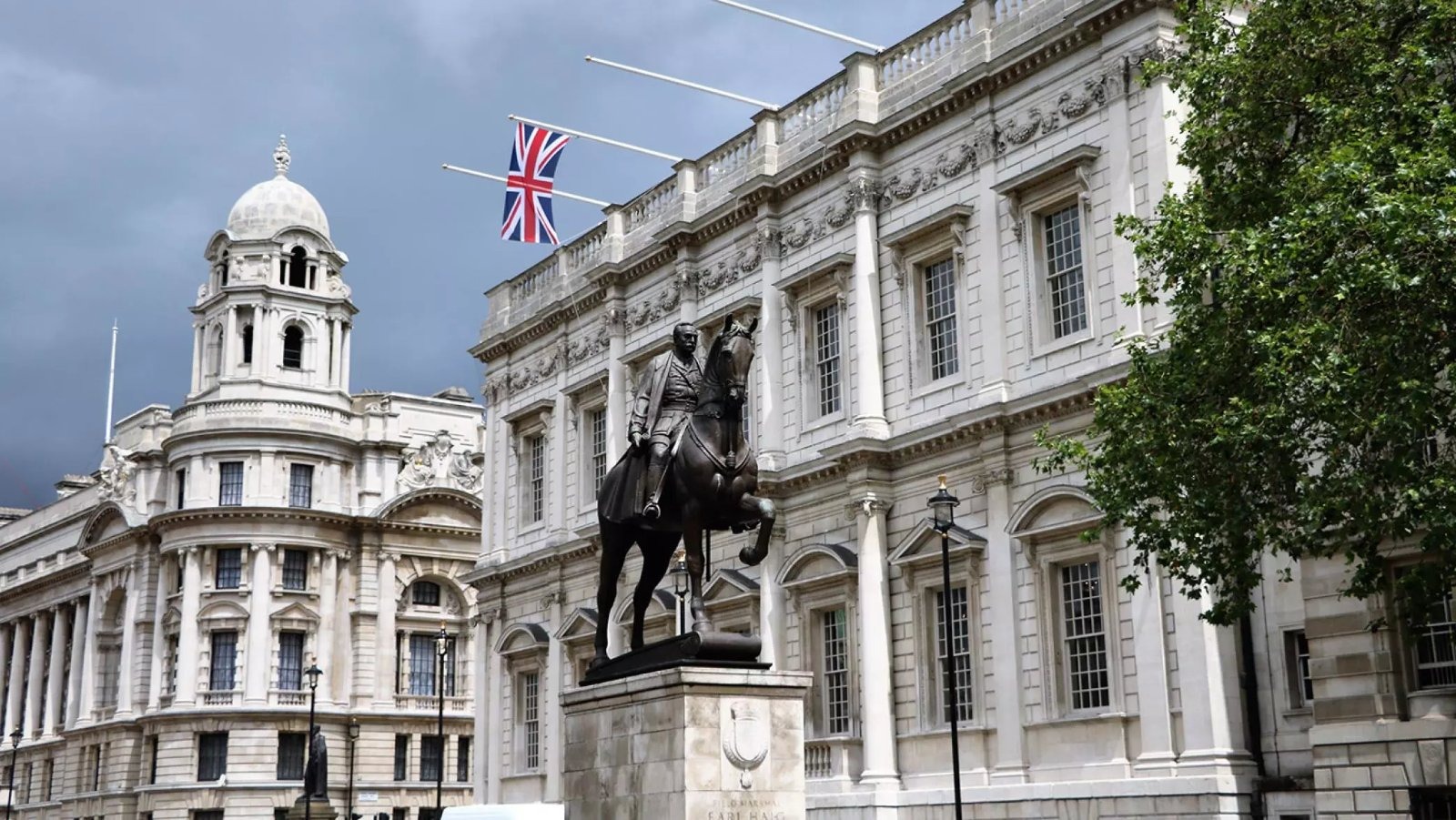
Kruger then turned his fire on current Cabinet Secretary Antonia Romeo, whose published objectives — released in April 2026 with Keir Starmer's approval — described her role as making her 'steward for the democratic system of government and guardian of the constitution,' including protecting the interests of former and future governments.
Kruger called this 'extraordinary,' likening it to a member of staff telling the boss: 'Sorry, sir, no can do — your predecessor did things differently, and your successor may do so too, so I think I'll just make my own mind up about this.'
Romeo then announced her own review in July 2026, following a King's Speech promise to 'safeguard' the civil service's 'impartiality and core values.'
Kruger argued the review was designed to establish not merely the civil service's statutory existence but its formal independence from ministers — achieved, he said, 'on the pretence of safeguarding the constitution and democracy,' while actually undermining both.
Reform's legislative response, Kruger said, would be to replace CRAG with a new bill affirming the 'impartiality, but not the independence, of the civil service,' restoring the Armstrong principle and empowering ministers to appoint civil servants directly.
Kruger also pushed back against what he called the 'Waldegrave Thesis' — the argument that good ministers were all that was needed to make government work.
'We need a lot more than different people — better engineers,' Kruger said.
'We need different engines, different machinery.'
Kruger closed by framing Reform's project as 'a British, conservative paradox': 'you modernise to stay the same.'
He said the party's preparation for government was 'more detailed and serious than that of any previous opposition party.'
Read today's full feed at The Newshound →