

Watchdog censures the MoD after a soldier, 23, was killed when his armoured vehicle's gun hit a tree and the spinning turret struck his head
Published 3 November 2026, 16:58
- Army head General Sir Roly Walker said 'We failed him' as the Health and Safety Executive announced the censure.
- Private Jethro Watson-Pickering was playing the enemy in a Salisbury Plain war game when his vehicle fled a mock attack.
- Investigators found similar incidents in earlier years never prompted a proper safety review, and nobody had assessed the danger of the turret spinning.
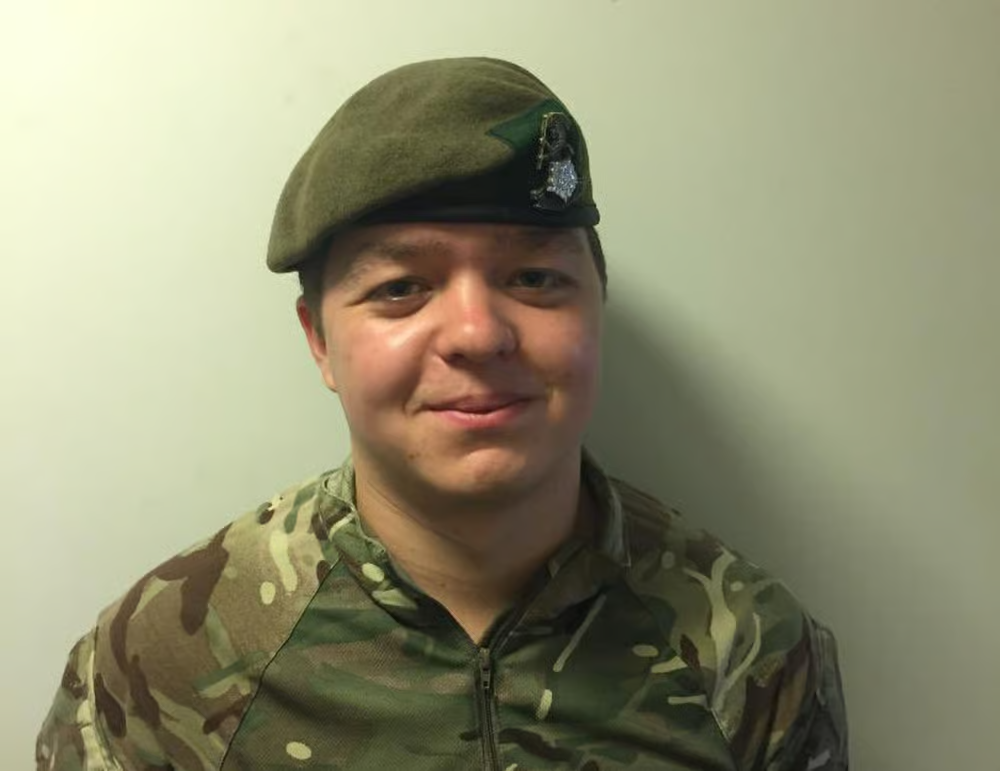
The Ministry of Defence has been formally censured — the harshest sanction available against a government body — after a 23-year-old soldier was killed when his armoured vehicle's gun barrel struck a tree during a training exercise, causing the turret to spin and a storage bin to hit him on the head.
Private Jethro Watson-Pickering, of the 1st Battalion of the Yorkshire Regiment, died at the scene on Salisbury Plain in Wiltshire on 15 October 2021, according to an HSE press release.
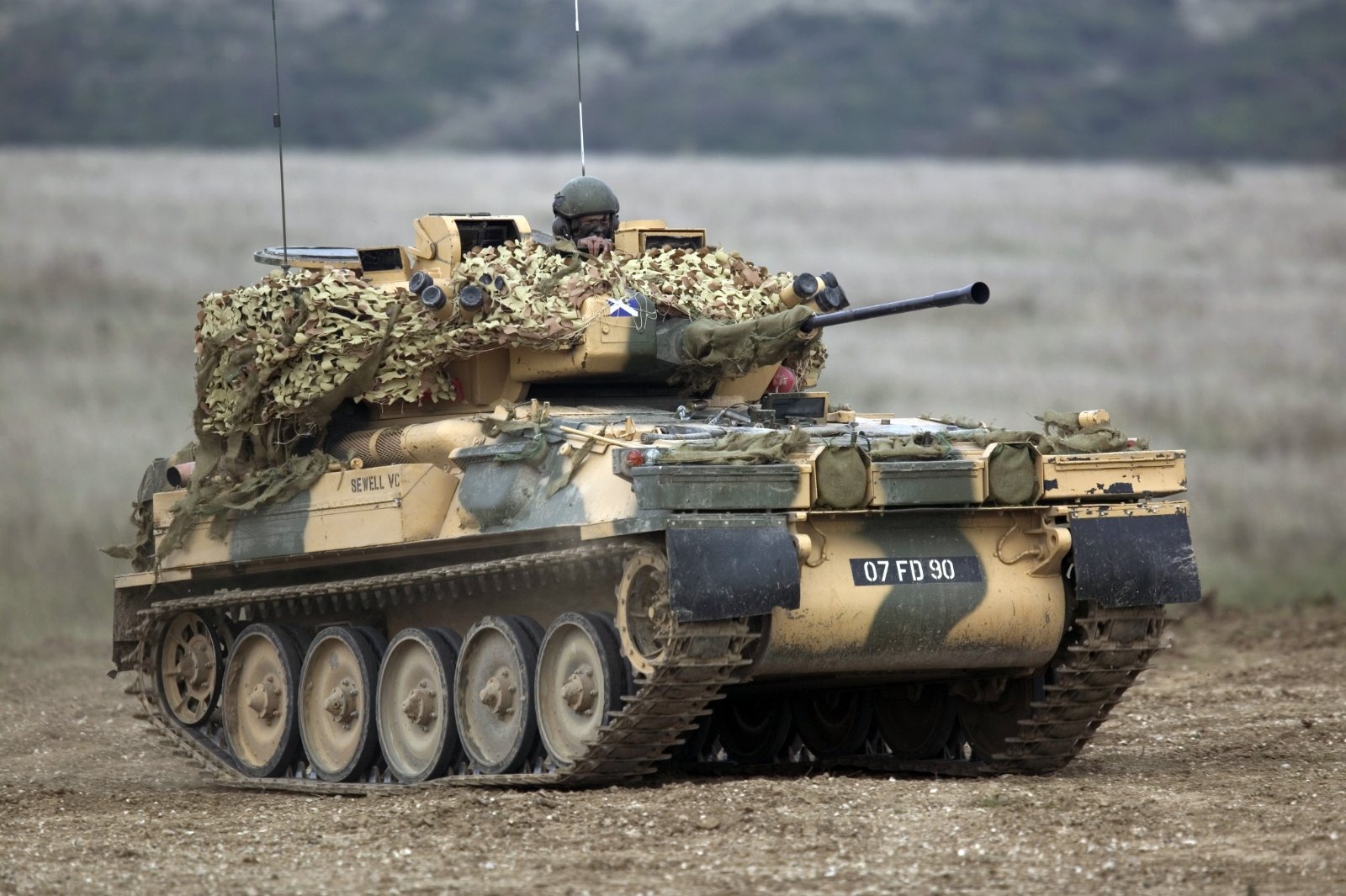
He was driving a Scimitar-variant Combat Vehicle Reconnaissance armoured fighting vehicle during an exercise called Iron Storm, playing the role of the enemy for another Army regiment.
At around 11:50am, the vehicle fled a simulated attack.
The gun barrel extended past the vehicle's edge and hit a tree.
The impact caused the turret to spin very rapidly, and a rear storage bin attached to it struck Watson-Pickering on the head, killing him at the scene.
The Health and Safety Executive determined that no safe system of work existed for driving the Scimitar during the exercise.
Risk assessments had entirely failed to identify the danger of the turret rotating without warning, meaning no measures existed to stop the driver's head being struck if the barrel was accidentally hit.
Investigators also found that risk assessments had not been updated in light of comparable incidents from earlier years, and that training and instruction were inadequate — particularly on the danger of the turret spinning unintentionally and on driving with one's head raised, according to the HSE.
General Sir Roly Walker, Chief of the General Staff, accepted the Crown Censure on behalf of the British Army.
"We fully accept the Health and Safety Executive's Crown Censure findings," he said.
"We failed to properly assess and control the risks, failed in our training and instruction, and failed to provide a safe vehicle."
"Jethro should never have died. We failed him and those who loved him," Walker said.
Watson-Pickering was just 23 "with his whole life ahead of him."
He offered his "sincere condolences" to the family, acknowledging that "words cannot lessen their loss."
HSE inspector Emma O'Hara said the MoD, like any other employer, had a duty to protect its workers.
"In this case, it failed to do so, which has cost a young man his life," she said.
"While realistic exercises are an essential component of military training, this does not mean employees should face uncontrolled or inadequately controlled risks."
A Crown Censure carries no financial penalty but constitutes a permanent public record of a failure to comply with the law.
By accepting it, the MoD admitted breaching Section 2(1) of the Health and Safety at Work etc. Act 1974, a provision that places on all employers the duty to protect, to the extent reasonably practicable, the health, safety and welfare of their employees.
Walker acknowledged that significant changes had been made since Watson-Pickering's death, but conceded "no change can undo what happened," pledging that "the lessons endure in how we train, lead and look after our people every day."
Read today's full feed at The Newshound →