

Appeal judges rule cat droppings in a neighbour's garden can be a health nuisance that councils must investigate
Published 3 November 2026, 17:24
- Lord Justice Miles ruled in the Court of Appeal that droppings need not be left 'purposefully or wilfully' to count.
- Father Richard Williamson complained that his neighbours' cats fouled his Caerphilly front garden, risking toxoplasmosis for his young child.
- Caerphilly County Borough Council refused to investigate, insisting cats have a 'right to roam' unlike dogs and livestock.
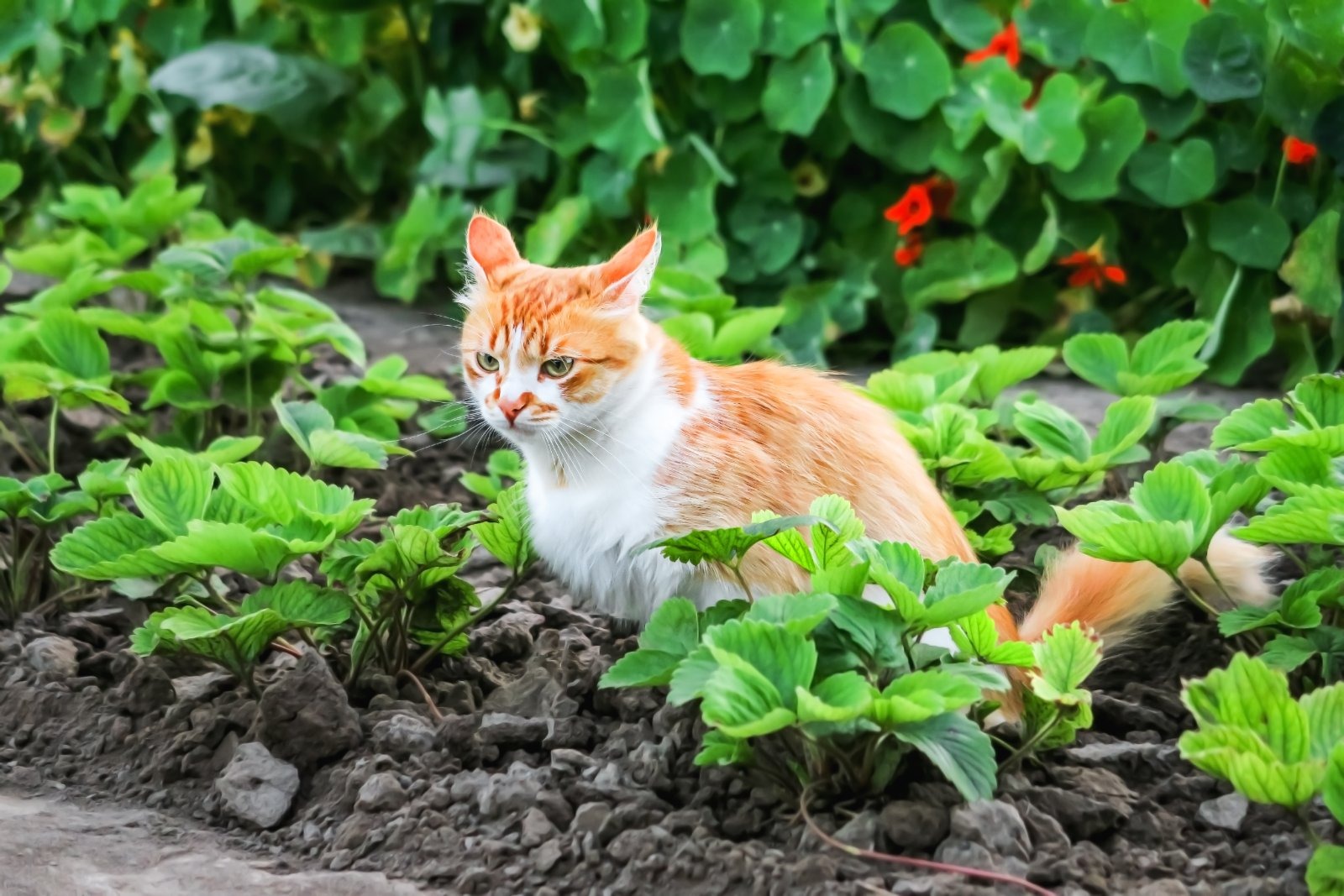
Councils across England and Wales may be legally required to investigate complaints about cat fouling under environmental health law, the Court of Appeal has ruled — a decision with potential implications for thousands of households affected by neighbouring cats.
The unanimous ruling, handed down on 3 November 2026 in Caerphilly County Borough Council v Williamson, confirmed that cat droppings left in a neighbour's garden can in principle constitute a statutory nuisance that councils must properly investigate, regardless of whether the fouling resulted from a deliberate act.
Lord Justice Miles, Lord Justice Nugee and Lord Justice Males all dismissed the council's appeal.
The case began in October 2024 when Richard James Williamson, a resident in Caerphilly, Wales, formally complained to Caerphilly County Borough Council that his neighbours' two cats had been repeatedly fouling his front garden for several months.
He said the fouling had "escalated to a point where [he] believe[s] it constitutes a statutory nuisance and an environmental health risk to [his] family," specifically raising the risk of toxoplasmosis for his young child.
The council refused to investigate.
An environmental health officer responded the same day, saying that "animals moving freely between properties cannot be a statutory nuisance."
In its formal determination of 11 November 2024, the officer concluded that "cats are not governed by the same roaming laws as dogs & livestock are" and that "the common law principle is that there are no laws governing control, they have a 'right to roam'."
Williamson challenged the decision through judicial review.
HH Judge Jarman KC found the council had failed to consider whether the droppings amounted to a harmful "deposit" under section 79(1)(e) of the Environmental Protection Act 1990, a separate legal category from how the cats were kept, and had wrongly relied on the common law right-to-roam principle.
The council appealed, arguing that a "deposit" under the law required a "purposeful or wilful act."
The Court of Appeal rejected this on three grounds.
Lord Justice Miles wrote that the statutory text "contains no requirement that any person must have acted purposefully or wilfully" — the listed matters "are physical things or states of affairs and are not concerned with a person's responsibility."
Lord Justice Miles offered an unambiguous interpretation of the word "deposit": "The word deposit is being used here as a noun and not as a verbal participle. The adjacent noun, accumulation, dispels any possible doubt. Read in context the subsection is concerned with the existence of things, and not how they came about, or any question of agency."
Drawing on the 1861 case of Draper v Sperring involving sheep dung on a pavement, he concluded that "animal droppings are capable of amounting to a deposit or accumulation and (if the other elements of the test are established) a statutory nuisance."
The court clarified that responsibility only becomes relevant at the second stage of the legal process — when a council, having found a statutory nuisance exists, must serve an abatement notice on "the person responsible for the nuisance."
The council had warned the ruling would have "profound consequences for cat owners and local authorities."
Lord Justice Miles acknowledged this but stressed the judgment "emphatically does not decide that the cat fouling about which the respondent has complained constitutes a statutory nuisance" — it means only that councils must conduct a proper investigation into whether such fouling is prejudicial to health, rather than dismissing complaints on the basis that cats have a right to roam.
Read today's full feed at The Newshound →