British paratroopers rehearse amphibious assault to retake Falklands as Milei threatens to 'act swiftly'
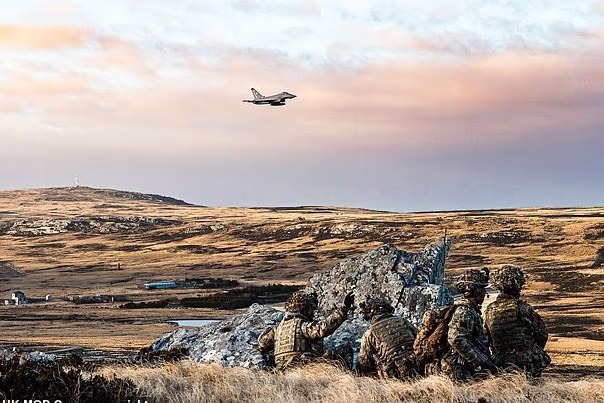
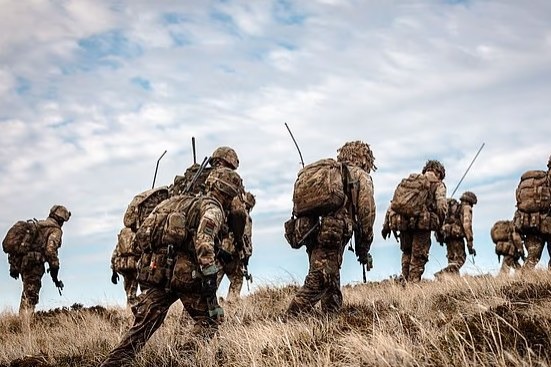
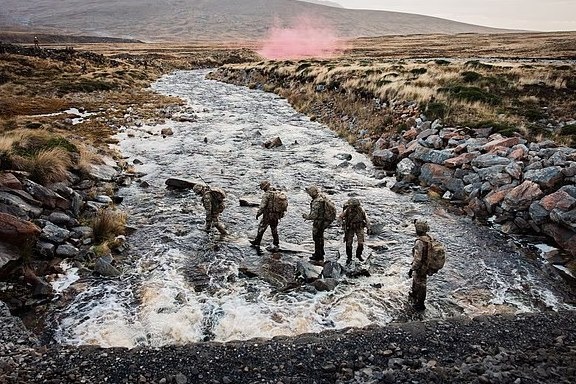
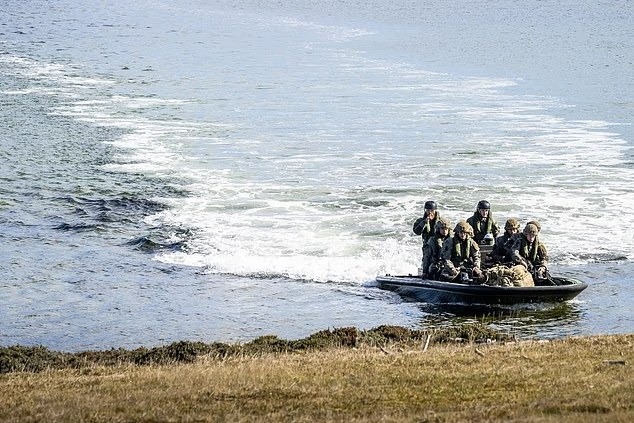
British soldiers take cover on the Falkland Islands as Argentina has separately taken the Sea Lion oil project to the International Tribunal for the Law of the Sea, seeking to halt drilling near the islands.British soldiers on moorland terrain in the Falkland Islands during Exercise Cape Upholder, a six-day drill replicating the 1982 amphibious landings — the first such war-game in years.British soldiers cross a rocky stream in the Falkland Islands as Prime Minister Andy Burnham vowed to do 'whatever it takes' to keep the islands British.Military personnel in a rigid inflatable boat in the Falkland Islands as Britain asked Interpol to reject Argentina's 'red notice' arrest requests targeting workers on the £2.2bn Sea Lion oil project.
Around 150 British paratroopers joined local reservists in a six-day exercise codenamed Cape Upholder, storming beaches and marching 20 miles through the night to rehearse recapturing the Falkland Islands against a simulated Argentine invasion. The drills — the first in years to recreate the 1982 amphibious landings — took place as President Javier Milei told the UN he would 'take matters into his own hands' and threatened criminal charges against the Israeli energy firm extracting oil near the islands. Prime Minister Andy Burnham pledged on Monday to do 'whatever it takes' to keep the Falklands British. Foreign Office minister Uma Kumaran denounced Milei's 'inflammatory remarks' and accused Argentine foreign minister Pablo Quirno of 'increasingly aggressive public statements'.
Argentina has asked a Hamburg tribunal to impose emergency measures halting the $2.2 billion Sea Lion oil project, which is due to enter production in 2028.
Burnham launched an investigation after islanders reported a sustained harassment campaign by Argentine counterparts, with Downing Street calling any intimidation 'wholly unacceptable'.
The Royal Navy's only icebreaker, HMS Protector, has been returned to Plymouth with a double engine defect, raising fresh doubts about Britain's southern-ocean reach.