Britons face the worst decade for household income growth on record, worse even than post-war rationing, IFS warns
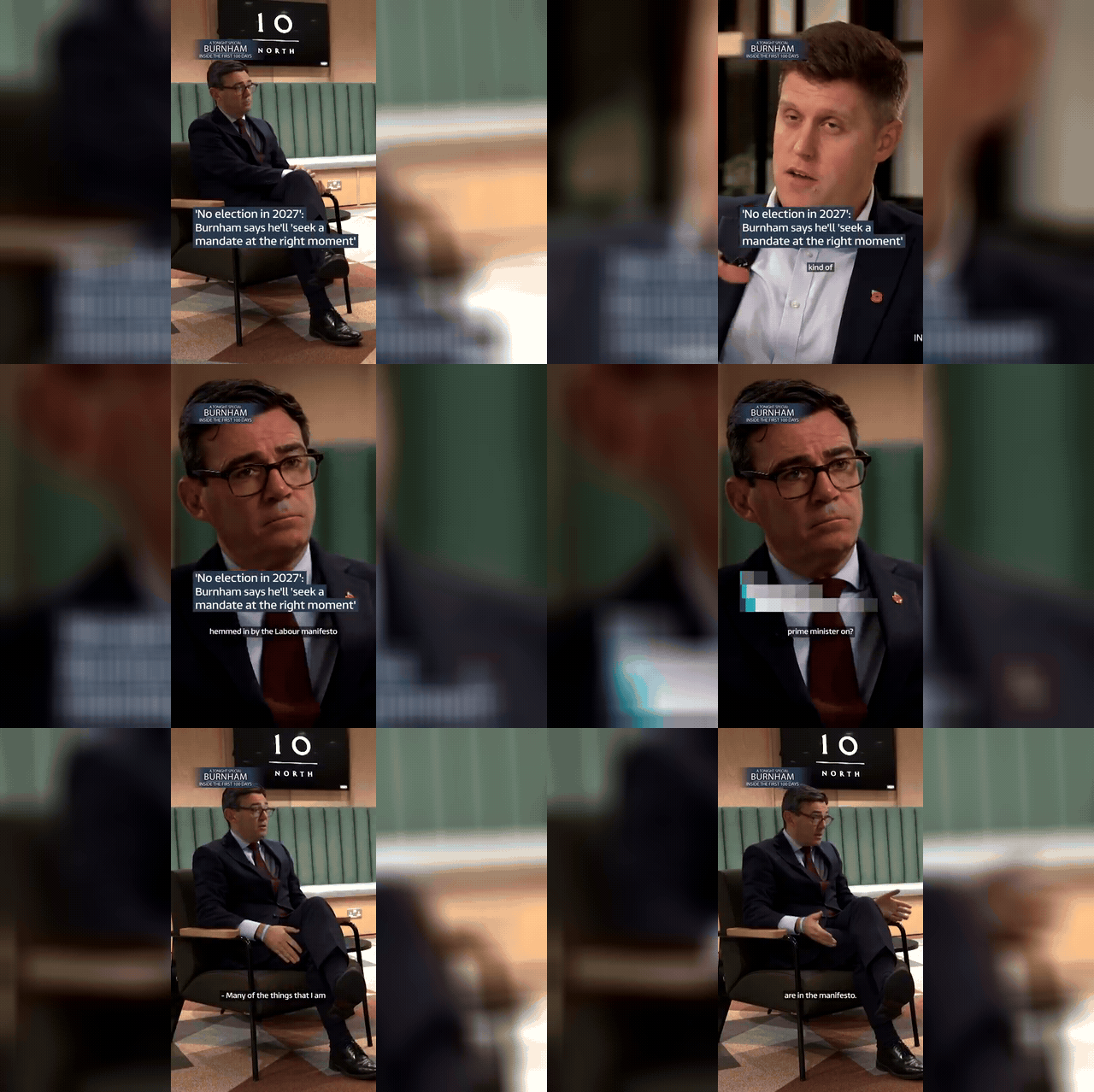
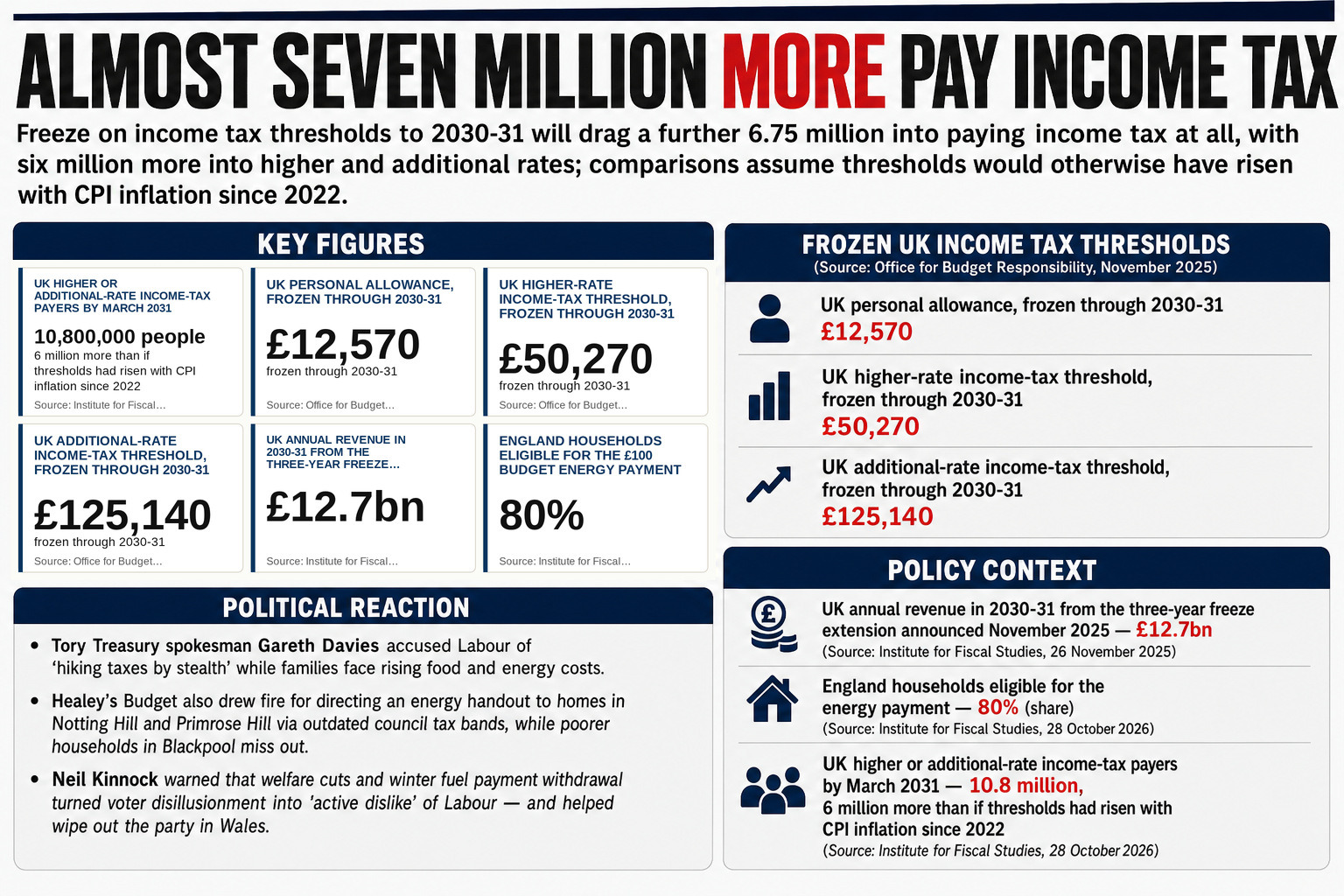
Prime Minister Andy Burnham speaking to ITV News, with NatWest chief executive Paul Thwaite among those criticising Chancellor John Healey for lacking ambition on growth.The freeze will also hand the Treasury an extra £71bn, with one in three London homes set to miss out on the Budget's £100 energy handout due to eligibility rules based on 1991 council tax bands.
The Institute for Fiscal Studies director Helen Miller described the outlook as "depressing," cautioning that cost-of-living packages cannot address the root cause and that what Britain requires is a stronger economy. Separate projections from the Resolution Foundation indicate that typical working-age households will see disposable income drop by £1,050, or 3%, between now and 2029 — a steeper decline than during the 1950s era of post-war rationing. Chancellor John Healey's Budget this week left income tax thresholds frozen at £12,570 since 2021, pulling more earners into higher bands even as wage growth barely kept pace with inflation.
MoneySuperMarket data shows the average Briton is now taking home £175.76 a month less than a year ago.
The pub owner at Chancellor Healey's local warned a pint could rise 25p after a record 4.5% alcohol duty hike.
Marie Buchan, 44, a benefits claimant who spent welfare payments on a boob job and a horse, now admits 'it is going to have to come to that' when asked about getting a job.