Martin Lewis hails end of 'poll tax on energy' as Healey axes gas standing charges ahead of his first Budget
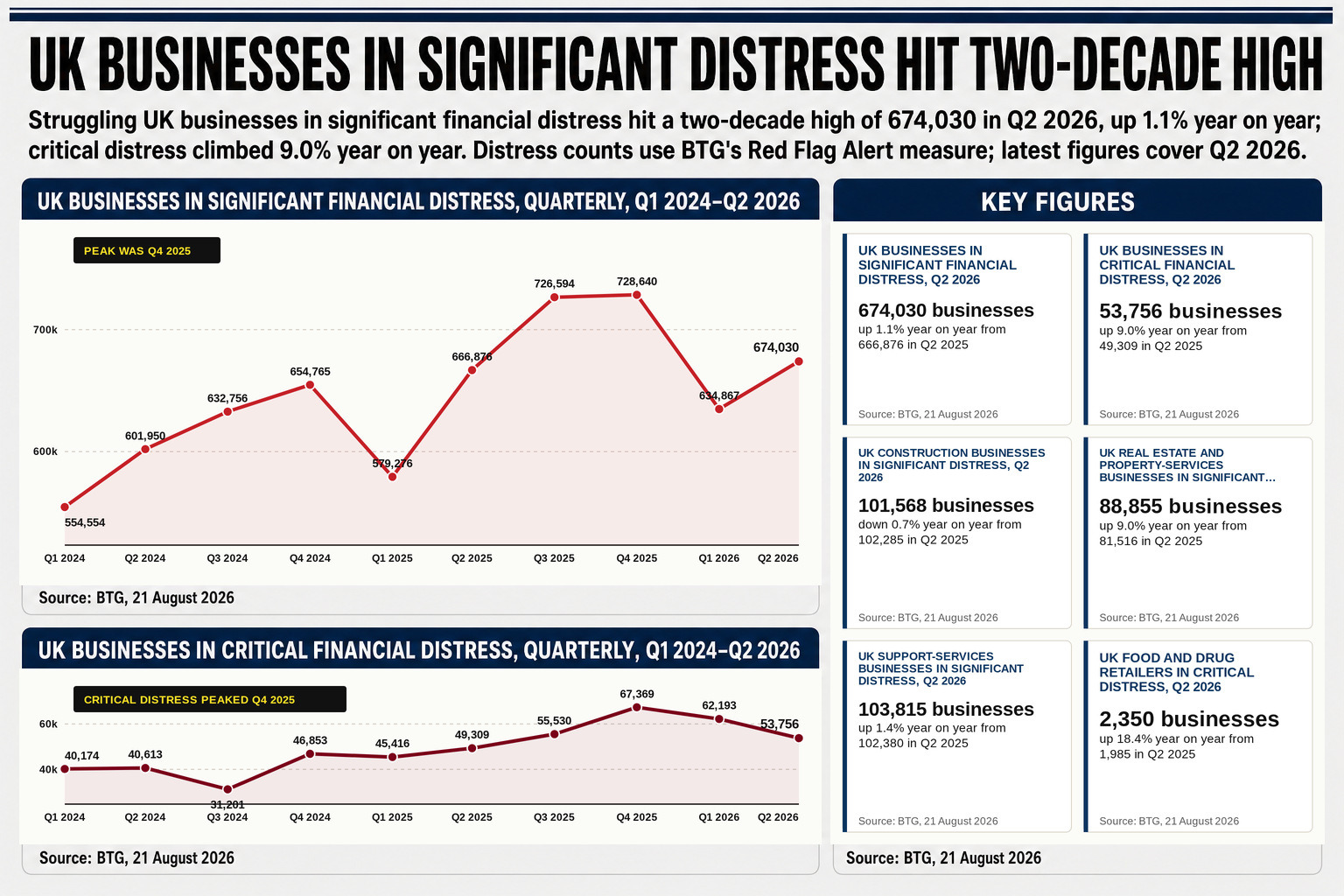
John Healey prepares for his Budget as UK gilt yields hit their highest level in the G7, with the Treasury having sold £4.5bn of five-year bonds at 5.036 per cent — the highest rate since 2008.A record 738,144 UK companies are in significant financial distress in Q3 2026, with construction and real estate among the worst-hit sectors ahead of John Healey's first Budget.
Chancellor John Healey announced the abolition of the £108-a-year gas standing charge for around 23 million homes from 2027, folding the fixed daily fee into unit rates instead. The Treasury projects that 60% of households will be better off by an average of £45 a year, although those who use large amounts of gas could see their bills increase. On Budget morning, Healey met Martin Lewis at No 11 before travelling to the Commons.
Lewis, who has long campaigned against standing charges, called them 'a poll tax on energy — a disincentive for many users to cut their bills'.
Healey told Lewis he will work with Ofgem on scrapping electricity standing charges too, though that is considered 'trickier' and will take longer.
Energy bills are forecast to rise by as much as 27% from January as the Iran war drives up costs, limiting the practical impact of today's change.