
Energy bills could fall if Labour makes flexible time-varying tariffs the default, IFS and LSE report finds
From the Newshound archive · first published 22 September 2026.
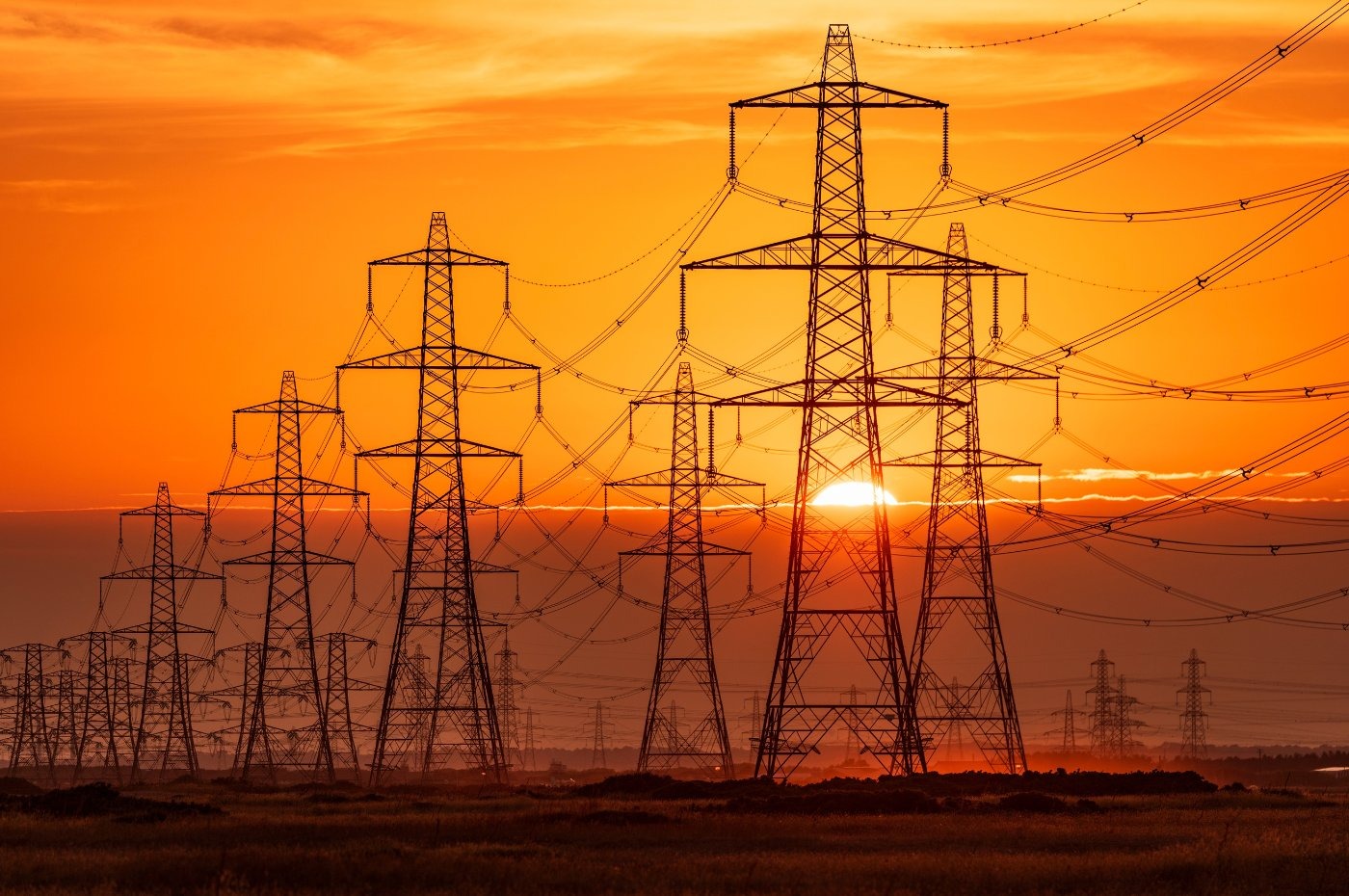
Just 2.8% of British households are currently on time-varying electricity tariffs, yet a major IFS and LSE study warns that high energy prices look likely to persist for years — and making flexible pricing the default could reduce bills while costing the government very little. Report co-author Bobbie Upton said savings could grow significantly as more homes adopt electric vehicles and smart technology that automatically shifts usage to cheaper hours. The IFS Green Budget report, funded by the Nuffield Foundation, found generation costs fluctuate dramatically by time and location but flat-rate tariffs leave consumers unable to benefit.
Scotland's wind power is sometimes "effectively free" — yet the grid pays turbine operators to switch OFF to avoid overloading the network.
The report also calls for heat pump and solar panel subsidies to be broadened, targeted by region to reflect where electricity is cheapest to produce.
Families could slash bills simply by timing washing machines and EV charging to off-peak hours — but without a pricing signal, most never bother.