Families face the worst decade for household incomes on record, with growth trailing EVEN the 1950s rationing years, IFS warns
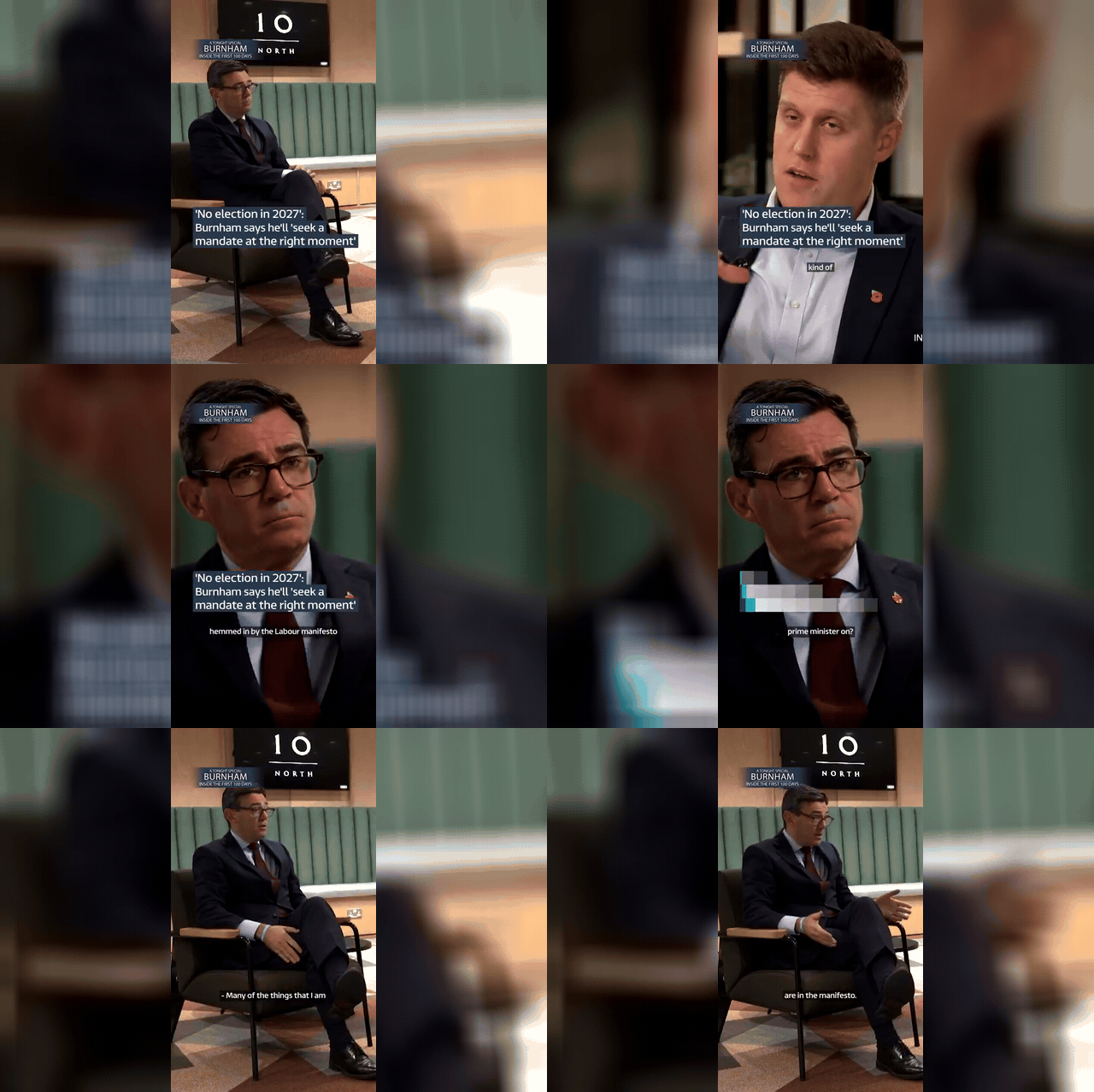
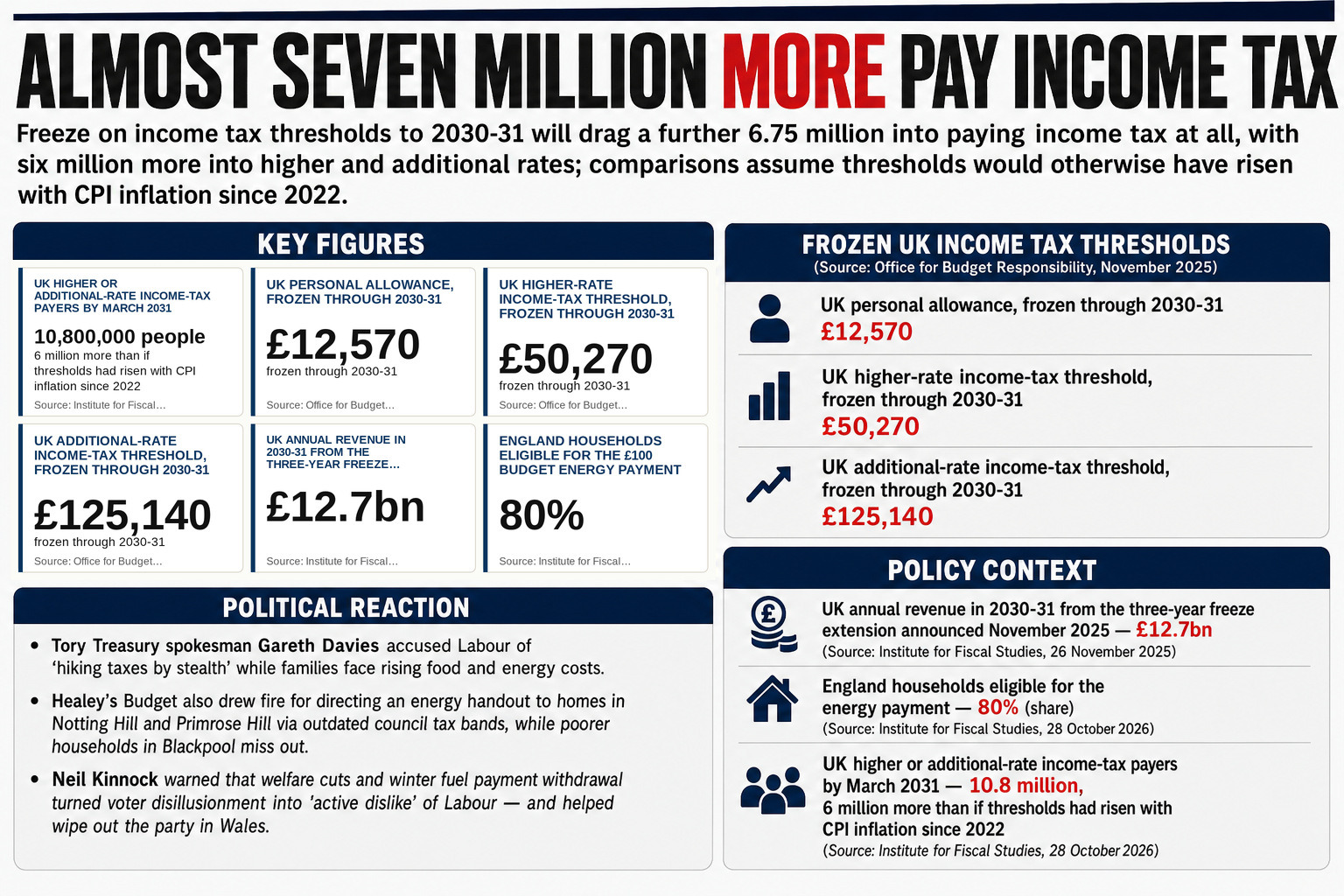
Prime Minister Andy Burnham speaking to ITV News, with NatWest chief executive Paul Thwaite among those criticising Chancellor John Healey for lacking ambition on growth.The freeze will also hand the Treasury an extra £71bn, with one in three London homes set to miss out on the Budget's £100 energy handout due to eligibility rules based on 1991 council tax bands.
The Institute for Fiscal Studies warns that average disposable income will grow by just 2% across the entire 2020s — the weakest decade on record, outstripping even post-war austerity. IFS director Helen Miller said "no amount of temporary cost of living packages will fix that." The Joseph Rowntree Foundation separately projects household disposable incomes will fall by £450 between April 2024 and April 2029.
Had incomes grown at the historical average since 1961, households would be £5,000 better off by 2029 than they are on current projections.
Working-age households face a £1,050 drop in disposable income by 2029, the Resolution Foundation projects, with wages barely outpacing inflation at 3.7% against 3.5%.