Britons face the worst decade for household incomes on record, worse than post-war rationing, after Healey's Budget, IFS warns
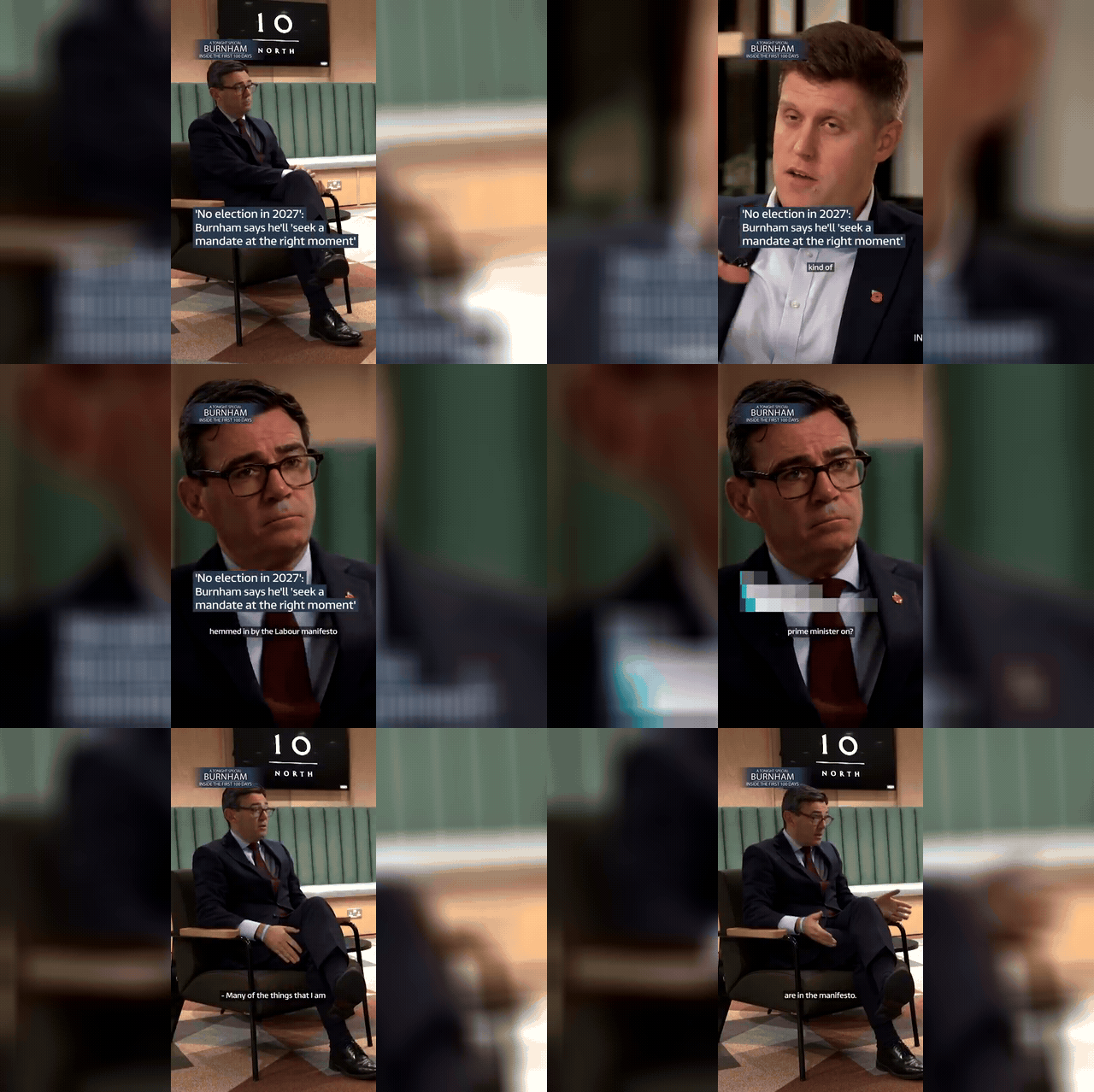
Prime Minister Andy Burnham speaking to ITV News, with NatWest chief executive Paul Thwaite among those criticising Chancellor John Healey for lacking ambition on growth.The freeze will also hand the Treasury an extra £71bn, with one in three London homes set to miss out on the Budget's £100 energy handout due to eligibility rules based on 1991 council tax bands.
The Institute for Fiscal Studies calculates that average household disposable income will grow by just 2% across the entire 2020s — the weakest decade on record, beating even the 1950s when post-war rationing was still in force. Chancellor John Healey's Budget this week was branded "unhelpful fiddling" by IFS director Helen Miller, who insisted only a stronger economy can fix the structural problem. A separate Joseph Rowntree Foundation projection puts the hit at £450 per household annually by 2029, with families set to be £5,000 worse off than if incomes had grown at the post-1961 average.
Healey also cast doubt on Labour's 2024 manifesto pledge to end age-pay discrimination, saying equalising the under-21 minimum wage is a question of 'when, not if'.
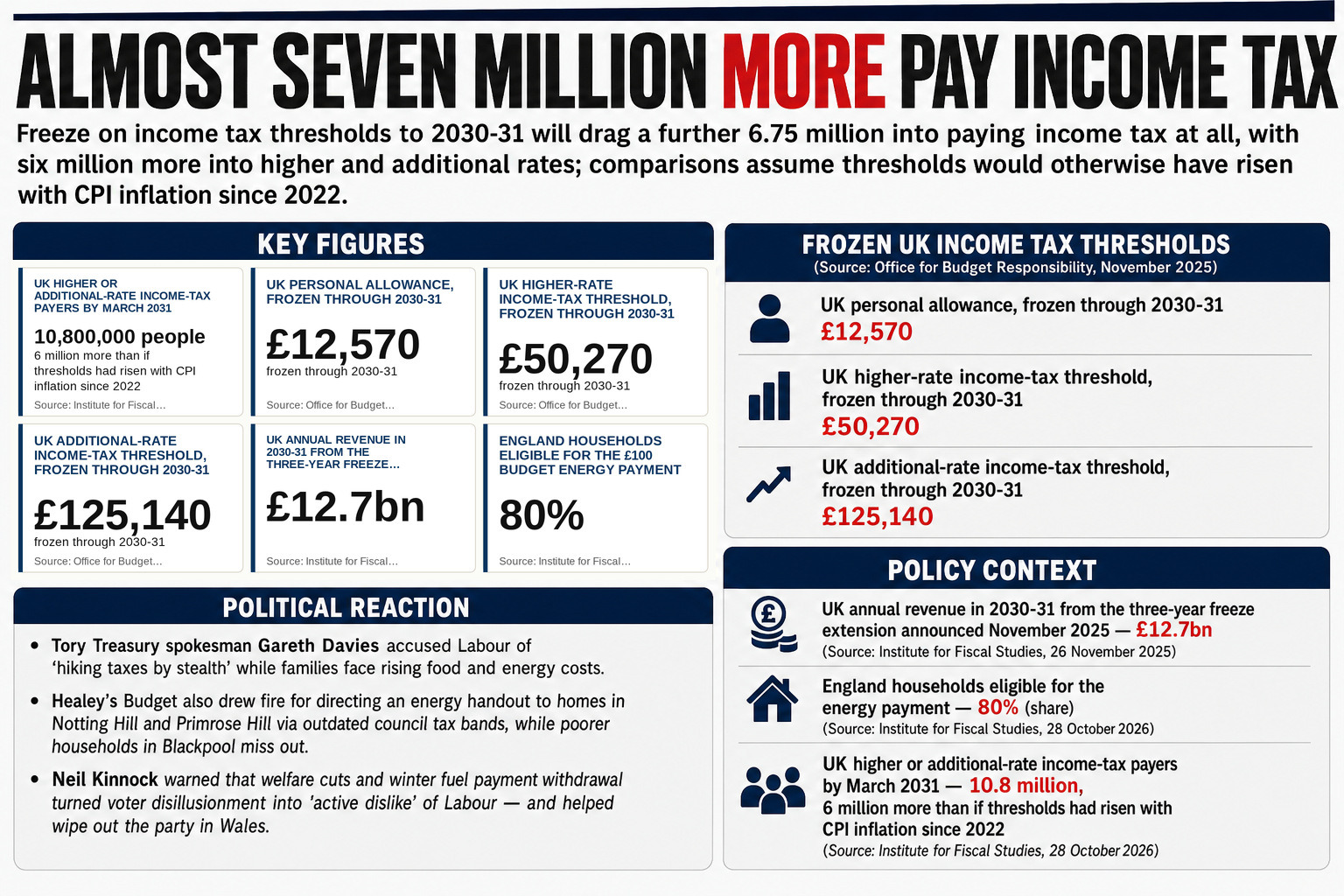
The frozen income-tax thresholds left untouched by Healey will drag nearly seven million more Britons into paying income tax by 2030-31, generating a £71bn Treasury windfall.
The owner of a pub in Healey's own constituency warned a 4.5% alcohol duty rise could push up the price of a pint by 25p, at 'post-Covid, Ukraine war levels'.