
France hails charred 2,000-year-old wall near Notre-Dame as 'major breakthrough' in hunt for ancient Paris
From the Newshound archive · first published 24 September 2026.
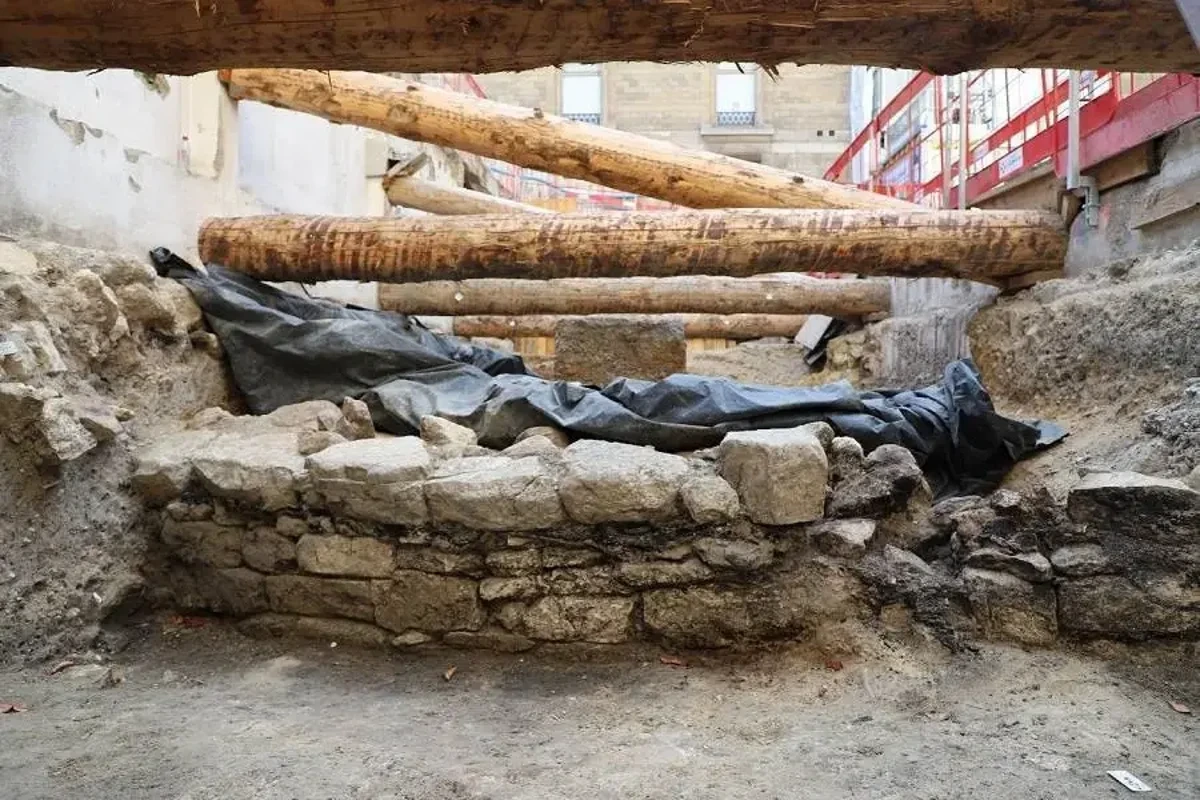
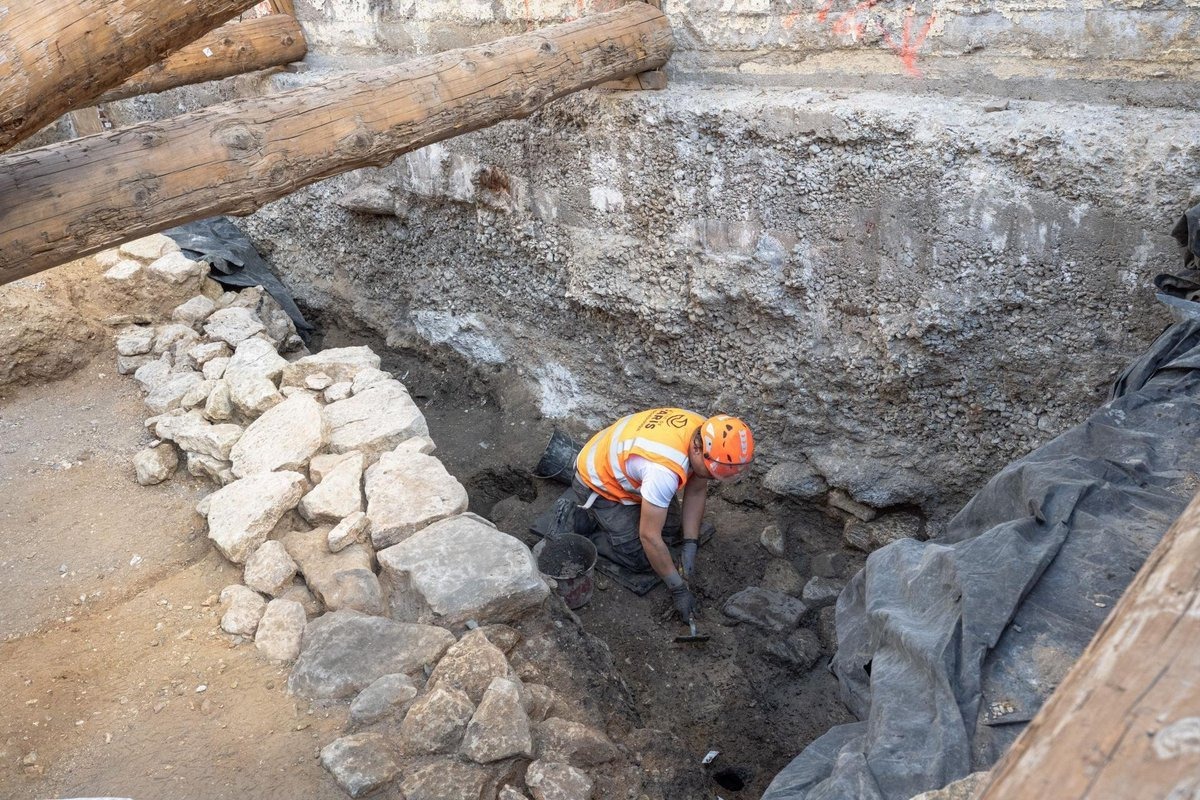
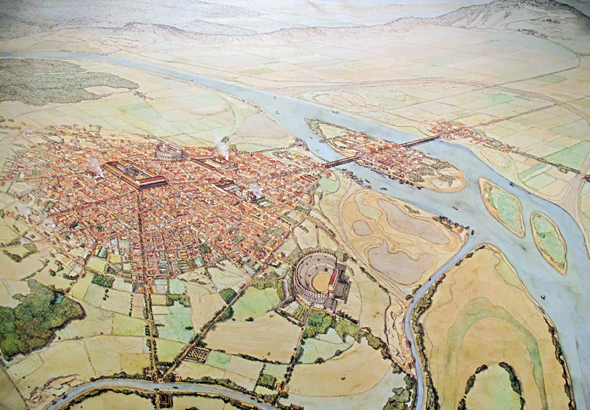
Archaeologists have unearthed a 20-metre charred wall of stone and wood beneath the courtyard of the Hôtel-Dieu Hospital, steps from Notre-Dame, in excavations that began in February 2026. French culture minister Catherine Pégard called it "perhaps one of the most important vestiges ever discovered" to understand Gallic Lutèce, the ancient fortified town the Parisii tribe burned in 52BC to stop Julius Caesar's army seizing it. The discovery fills a centuries-old gap: until now there was no physical evidence that Lutèce — widely believed to be the direct precursor of Paris — ever stood on the Île de la Cité.
A Gallic spearhead and burned seeds were found at the foot of the wall, alongside a nearly two-metre-thick sand and gravel platform suggesting a major fortification.
Regional curator Stéphane Deschamps said the find could finally settle a long-running debate, with some historians previously placing Lutèce as far away as Nanterre.
Pégard cautioned that further work is needed: 'Scientific prudence still requires verifying its function and chronology, but the convergence of indices is now particularly remarkable.'