
Fruits and vegetables are half as nutritious as in the 1960s because farms bred crops for bulk, not goodness, study warns
From the Newshound archive · first published 7 October 2026 · last updated 9 October 2026.
A landmark report by Deep Science Ventures has found that wheat, apples and carrots have lost up to 50% of key minerals including copper, magnesium and potassium over the past six decades, driven by yield-focused breeding and declining soil quality. Consumers now need to eat twice as many fruits and vegetables to obtain the same nutrients as in the 1960s. The 'Hollow Harvests' study warns that micronutrient deficiencies cost countries up to 3% of GDP annually in lost productivity and healthcare costs.
Cereal yields per hectare are up 215% since the 1960s, but the nutritional value of every bite has been quietly stripped out in the process.
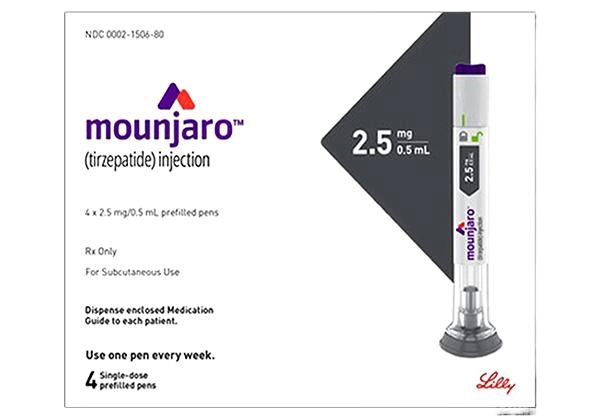
The rise of GLP-1 weight-loss drugs such as Ozempic could push around 5 million UK working-age adults below safe levels of essential vitamins and minerals, researchers warn.
Fewer than a third of wheat varieties used in bread released since the 1960s meet the recommended zinc target, according to the study.
Read today's full feed at The Newshound →