
Genetic test could spot which men with high-risk prostate cancer need the drug that halves their risk of death
From the Newshound archive · first published 21 October 2026 · last updated 23 October 2026.
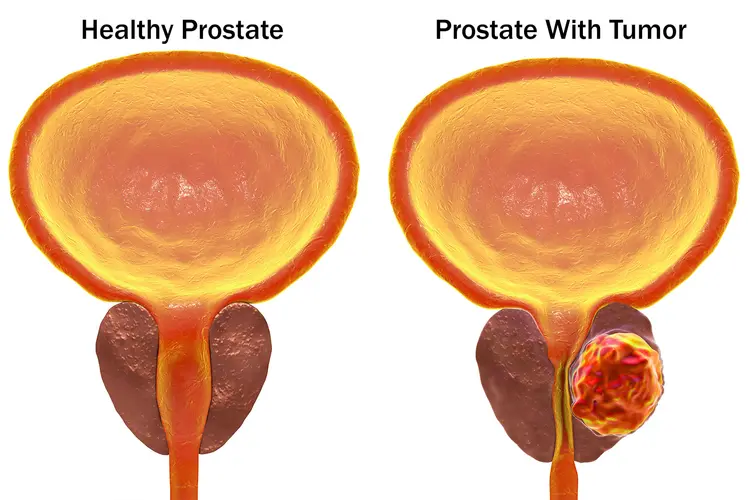
University College London scientists say the Decipher test, which scores tumour tissue from an earlier biopsy, could spare some men unnecessary side-effects. In a study of more than 6,000 men enrolled in the STAMPEDE trial, higher scores were consistently linked to worse outcomes. England's NHS began offering abiraterone this year, following Wales and Scotland. Known side-effects of the drug range from fatigue and liver damage to urinary tract infections.
Lead author Dr Sarah Howlett: "we may currently be over-treating some patients."
Men with a low score could be spared treatment; high scorers could be prioritised.
Around 64,000 men in the UK are diagnosed with prostate cancer every year.