
Global cardiology chiefs overhaul heart attack definition after decades of 'unintended systematic bias' against women
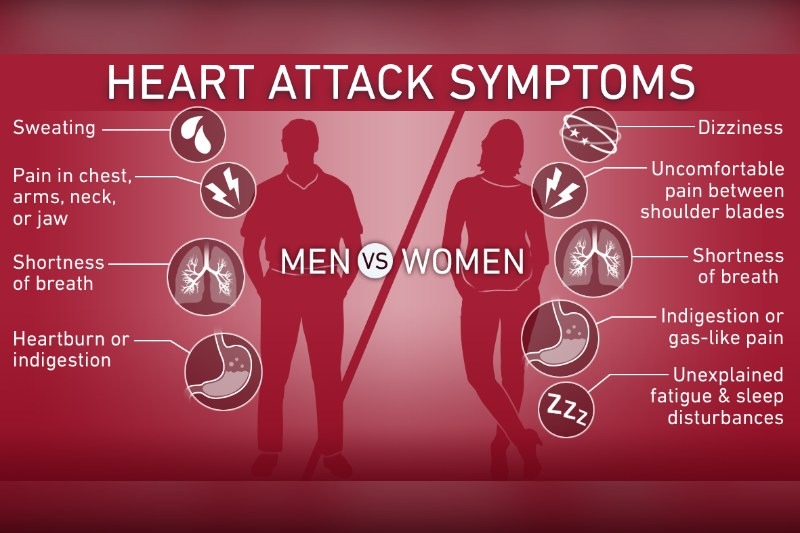
Four major cardiovascular organisations have jointly endorsed a new universal framework for diagnosing heart attacks, with experts promising a 'revolution' in care that could save millions of women's lives. Unveiled in Munich at the European Society of Cardiology's annual congress, the landmark agreement raises the status of three varieties of heart attack that occur up to ten times more frequently in women than in men. Those attacks — triggered by labour, physical exertion and psychological stress — had historically been classified as lower priority, leaving female patients undertreated and subject to potentially fatal delays.
Earlier guidance carried an 'unintended systematic bias against women', with treatments that sometimes made female patients more unwell rather than better.
The revised guidelines also reduce the blood troponin threshold required to diagnose any heart attack in women, meaning more cases will be caught earlier.
Varieties of attack disproportionately affecting women — arising from arterial tears or tightening rather than clots — were routinely overlooked or not treated with the same urgency under the previous definition.