Gulf officials 'braced for the worst' as US-Iran talks to reopen the Strait of Hormuz drag into a third day
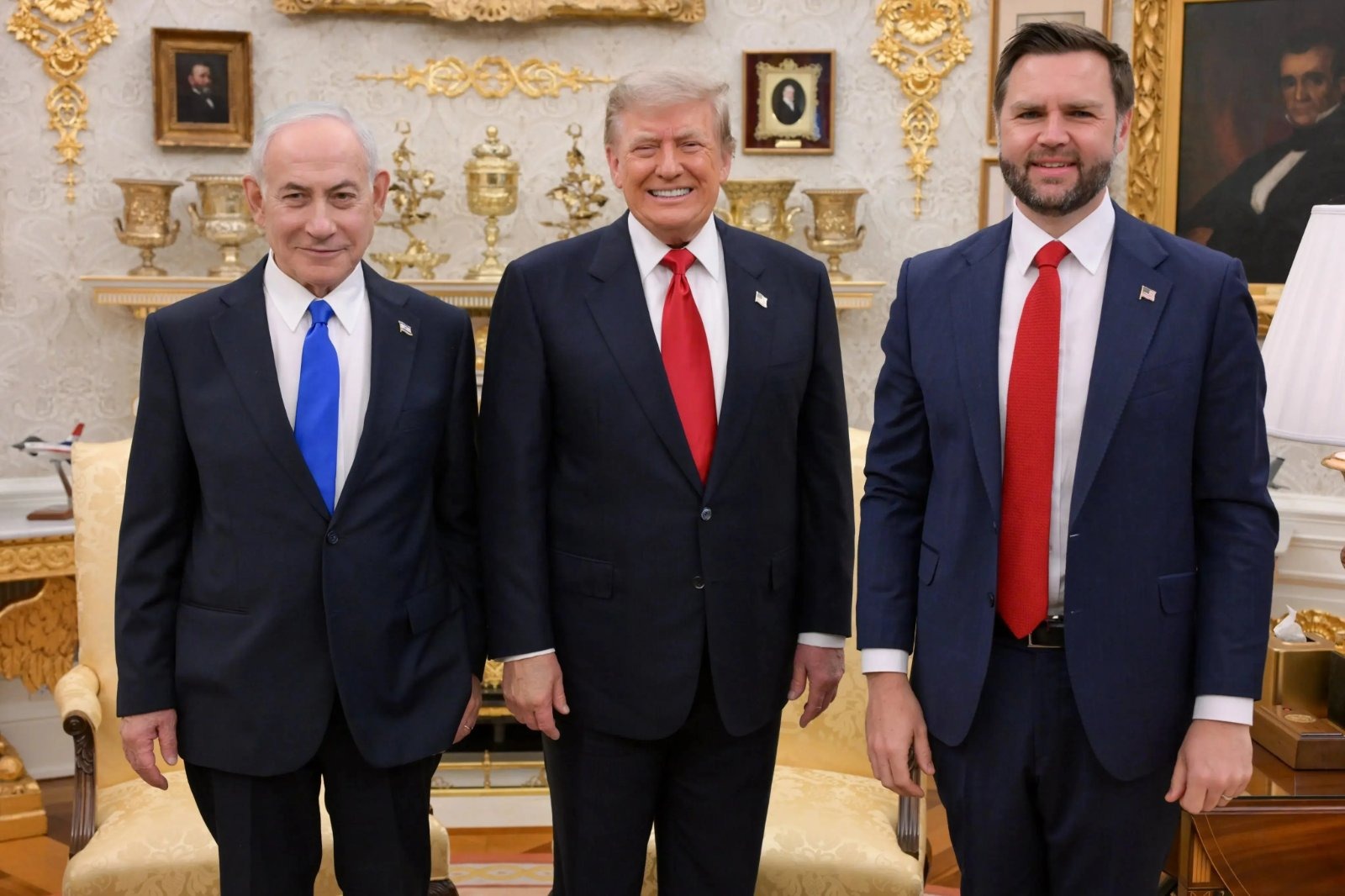
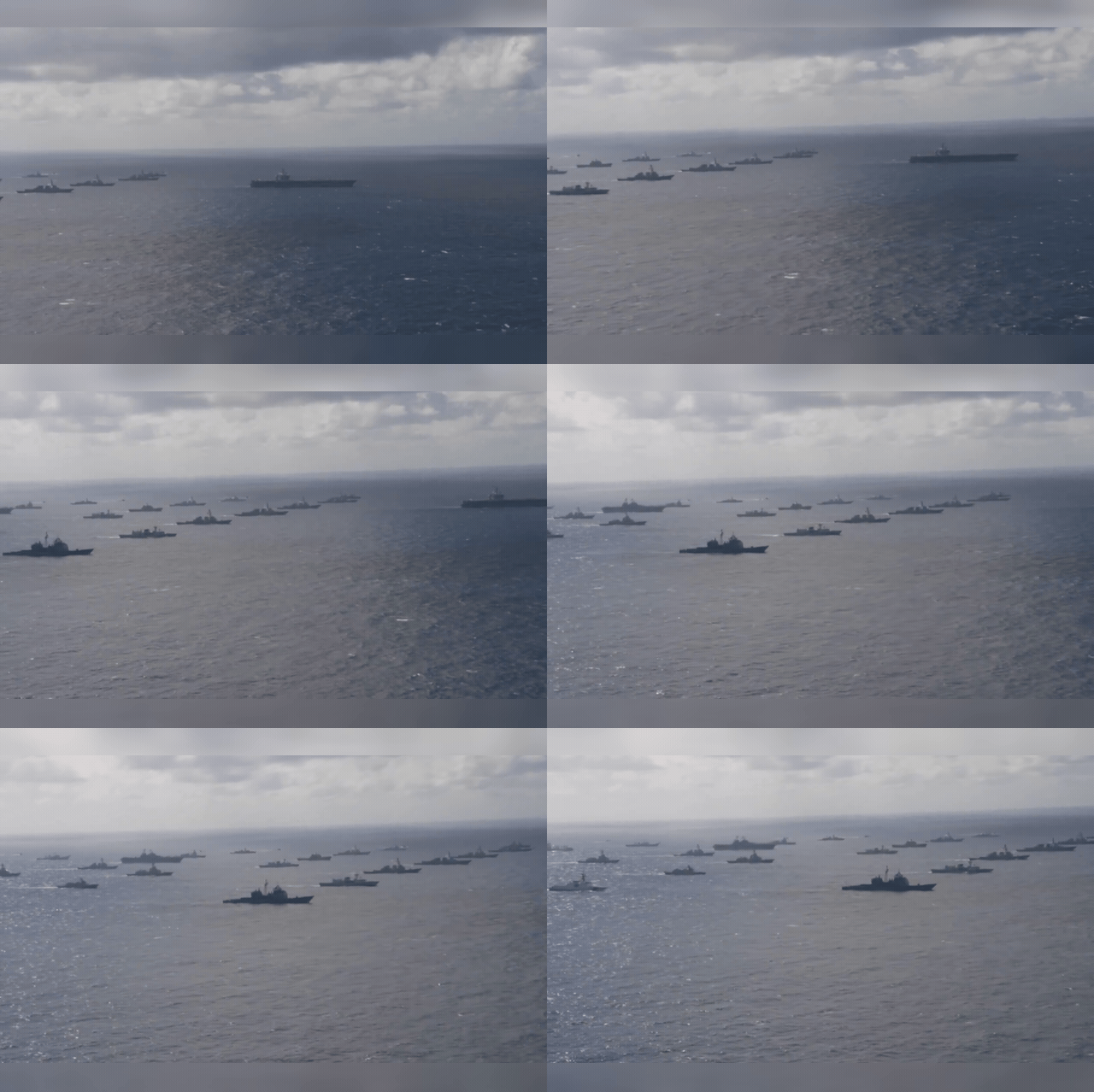
Donald Trump, JD Vance and Benjamin Netanyahu in the Oval Office in July. Trump has denied that a letter Vance sent to Iran's top security official was intended to revive peace negotiations, insisting it concerned…The USS Theodore Roosevelt carrier strike group at sea in October, as the vessel steams towards the Middle East and is expected to bring total US forces in the region to more than 20,000 sailors and marines.
Qatar's mediators are pushing a compressed deal in which Washington lifts sanctions first, then Tehran reopens the strait and resumes nuclear talks — but trust on both sides has collapsed after unidentified missiles struck a Qatari LNG tanker near Hormuz on Friday despite Iran granting it safe passage hours earlier. Iran's foreign minister says a revised proposal could reopen the waterway within two days; the US has so far rejected an earlier, broader Iranian offer. Netanyahu pressed Trump in a "direct and pointed" call on Saturday to restart strikes immediately after Tuesday's midterms rather than let talks run, though Trump is said to want negotiations to exhaust themselves first.
Two tankers hit mines and exploded in the strait on Sunday, Iran's IRGC navy confirmed, adding fresh danger to the fragile diplomacy.
Iran's upgraded missiles and drones have caused up to $15 billion in damage to US bases since the war began — three times the Pentagon's public estimate.
Rep. Ro Khanna is vowing to cut off war funding entirely, comparing the effort to Vietnam and warning that a vote for Republicans is a vote for higher gas prices.