Britons have £176 less left each month as IFS warns this decade will be the worst on record for incomes
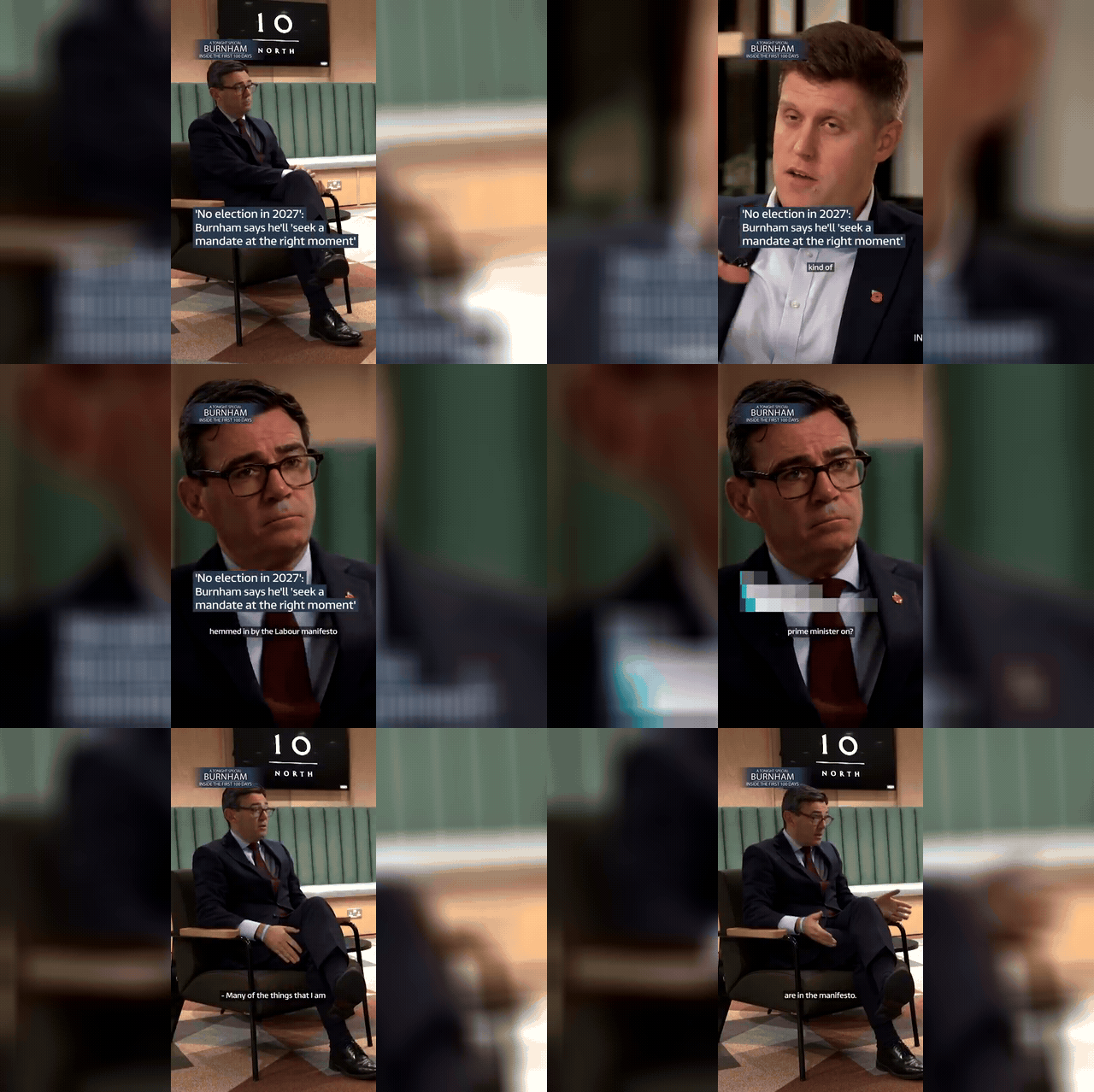
Prime Minister Andy Burnham speaking to ITV News, with NatWest chief executive Paul Thwaite among those criticising Chancellor John Healey for lacking ambition on growth.The freeze will also hand the Treasury an extra £71bn, with one in three London homes set to miss out on the Budget's £100 energy handout due to eligibility rules based on 1991 council tax bands.
The Resolution Foundation warns that typical working-age households face a £1,050 fall in disposable income by 2029, while the IFS has said this decade will rank as the worst on record for household income growth.
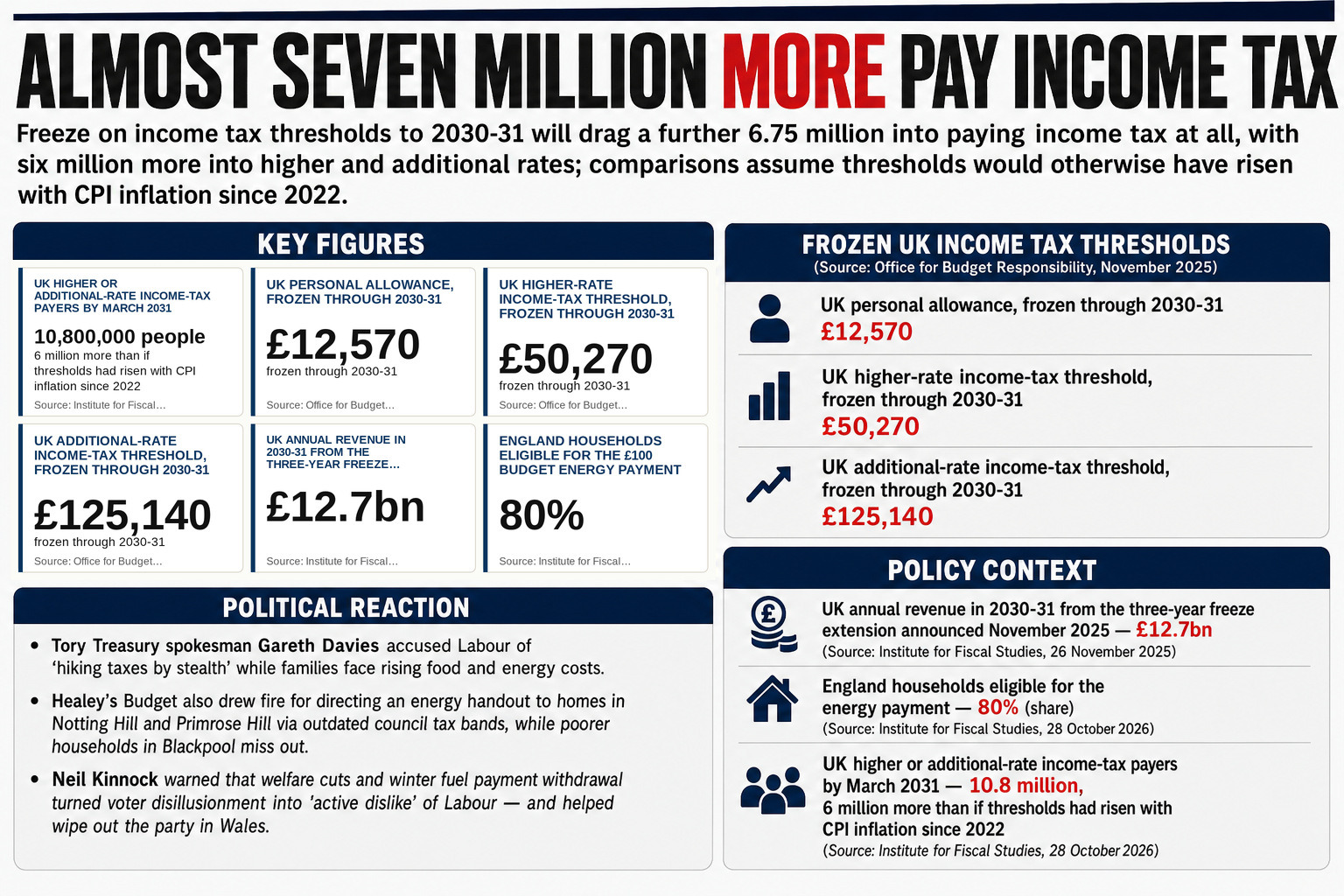
Income tax thresholds remain frozen at £12,570 — a level unchanged since 2021 — after Chancellor John Healey held them there, with the stealth freeze projected to pull nearly seven million more people into paying income tax by 2030-31.
A further six million are expected to be pushed into higher and additional tax rates as a result, generating an extra £71bn for the Treasury — prompting Tory Treasury spokesman Gareth Davies to accuse Labour of 'hiking taxes by stealth'.
Average wages climbed 3.7% over the past year, but with inflation at 3.5%, real pay growth has been negligible, leaving families with almost no financial cushion to absorb fresh Budget shocks.