
Mummies reveal Inca children were drugged with cocaine, maize beer and ayahuasca before being sacrificed on mountaintops in Peru and Argentina
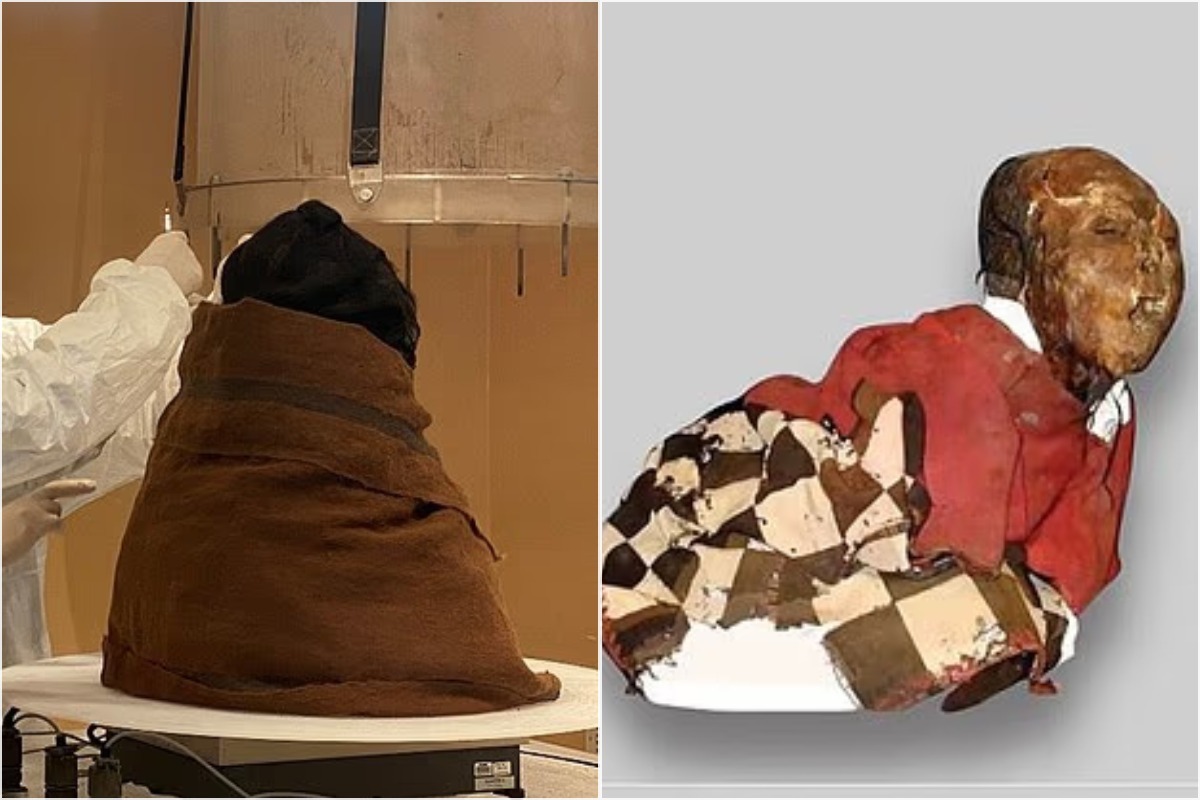
Research published in *Antiquity* analysed nail and hair samples taken from eight mummified children, ranging in age from six to fourteen, whose remains were recovered from highland sites across Peru, Argentina and Chile — revealing a significantly wider variety of ritual substances than previous scholarship had recorded. Seven of the eight mummies were female, and cocaine derived from coca leaves was present in every case, confirming the drug's consistent role in the capacocha ceremony.
Alcohol from chicha, a maize beer, was also found in four of the children, suggesting it was given to sedate them as the sacrifice approached its conclusion.
The hallucinogenic compound harmine, an active ingredient in ayahuasca, turned up exclusively in the most prominent mummy, Juanita, pointing to ritual preparations that varied by location and the deities being venerated.
Lead researcher Dagmara Socha of the University of Warsaw observed that the substances given to the children were not consistent across cases: 'The preparation of children for sacrifice was not uniform across the Inca Empire.'