Investigators say ice was 'certainly a factor' in the Florida jet crash that killed nine, though the co-pilot called it 'manageable'
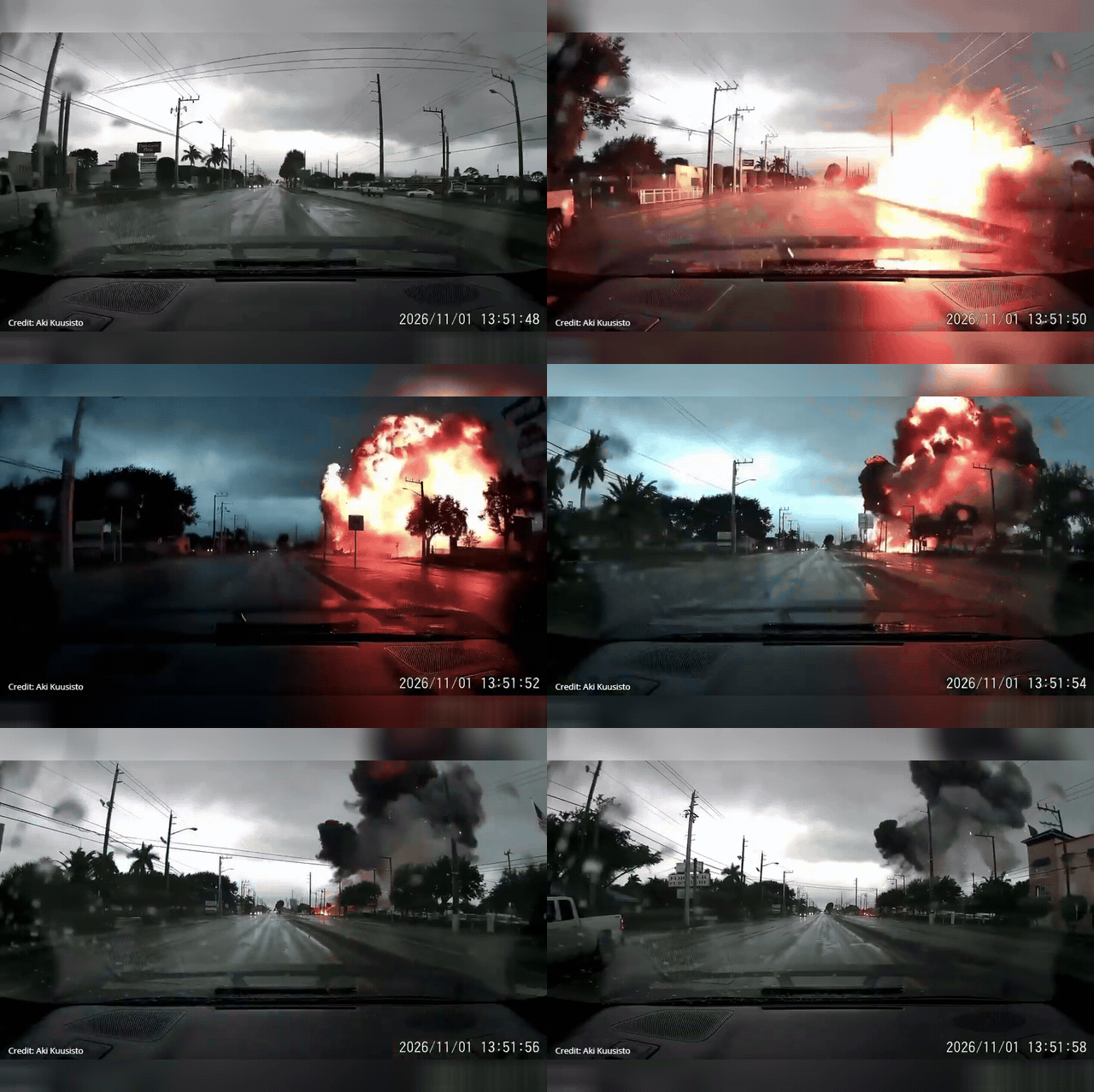
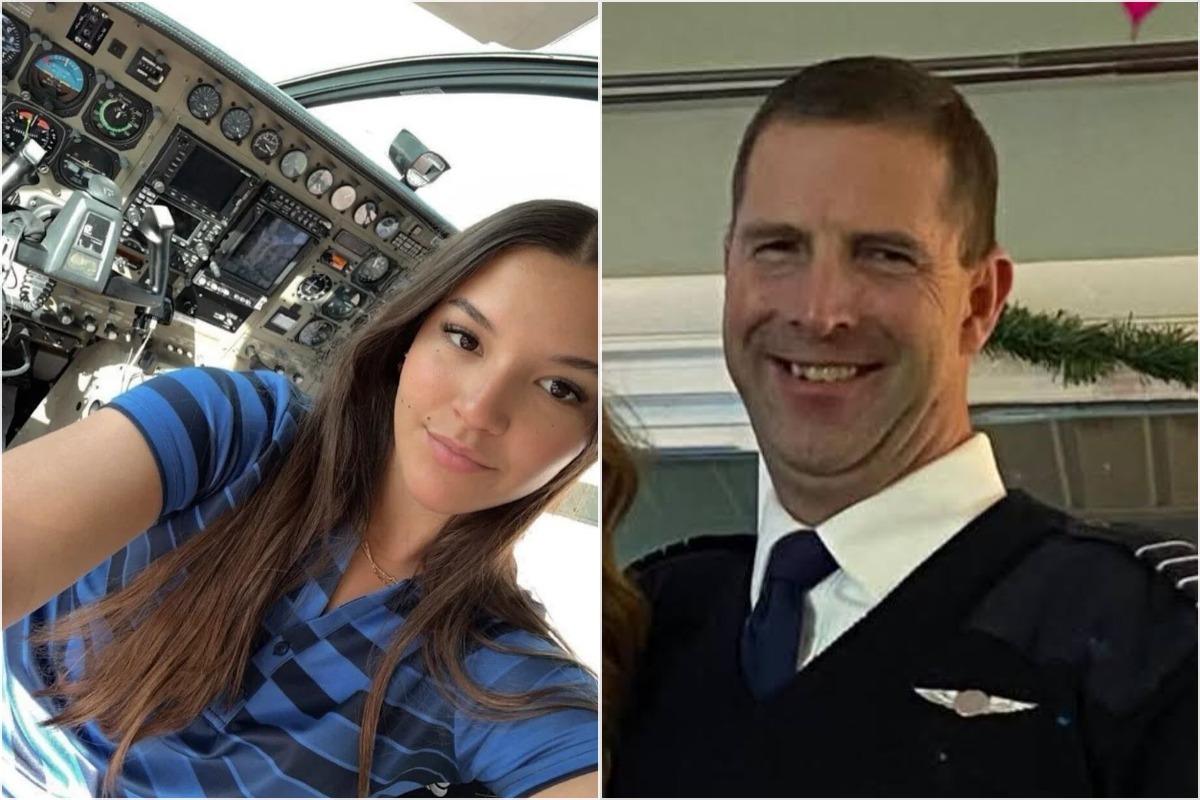
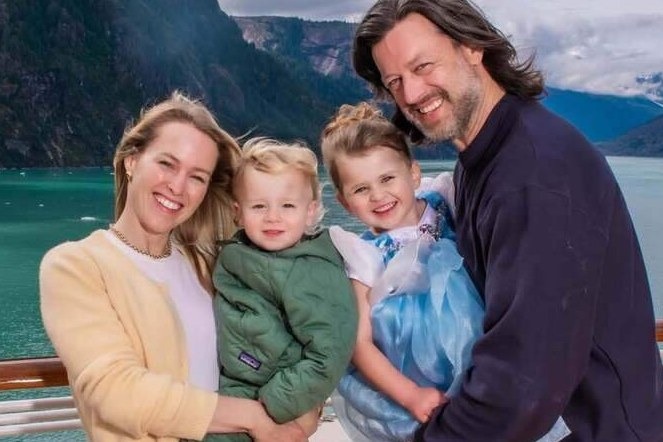
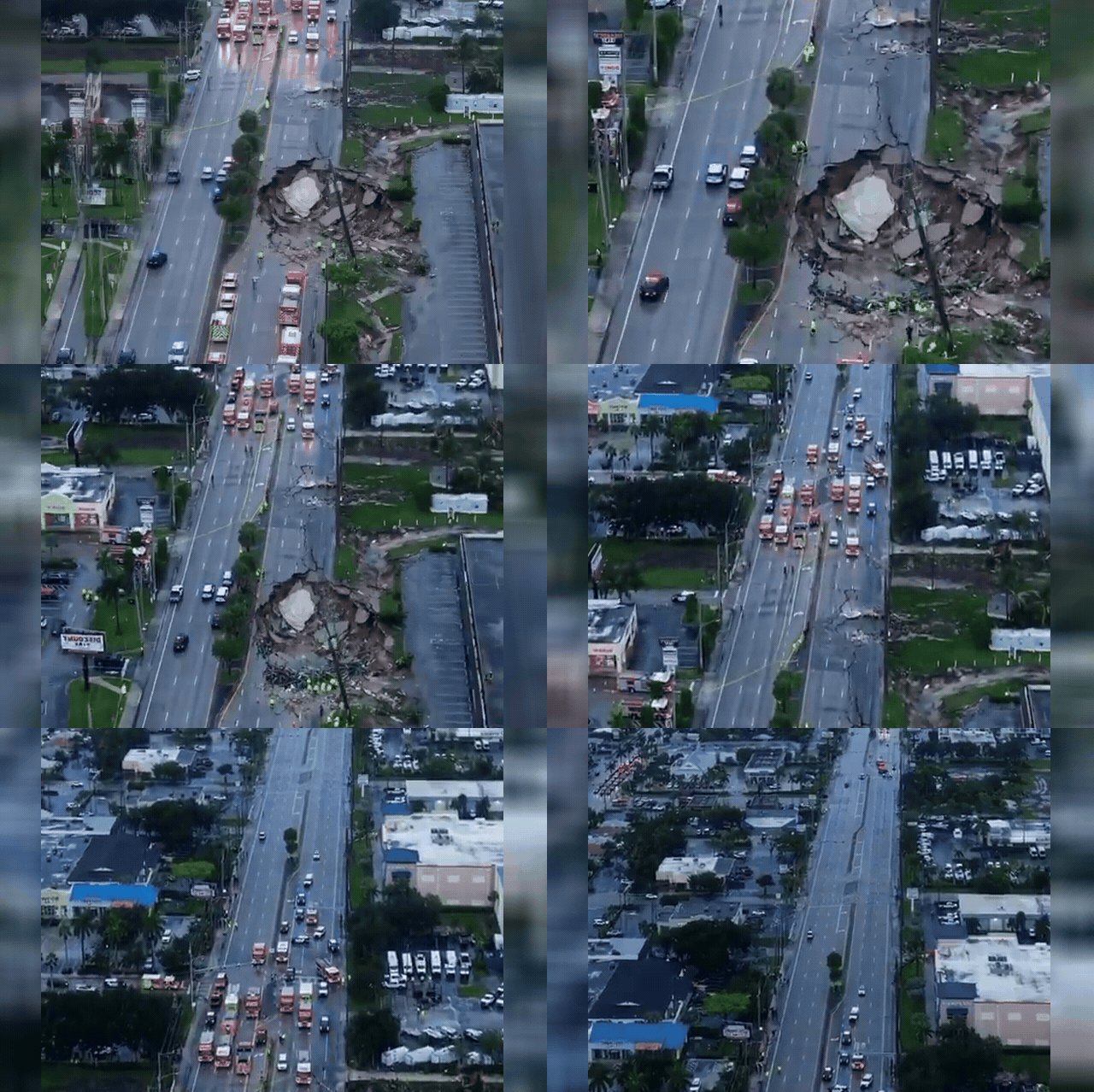
Dashcam footage of the Learjet 60's impact near West Palm Beach, as Transport Secretary Sean Duffy called the crash "a horrific tragedy.Nathalia Gadelha Filgueiras (left), the co-pilot, pictured with pilot Jeff Gregory, whose final recorded words were the Lord's Prayer as the Learjet plunged towards the ground.Anita Maria Cetina (left), and Rachel Reed and Charmi Fehr, three of the nine people killed when the Learjet 60 plunged into a Palm Beach County road at up to 32,000 feet per minute.Adam Robinson, his wife Helen Sharp, and their children Emma and Charlie, who were among the nine killed; the crew had reported light icing and requested clearance to climb to 37,000 feet before issuing a mayday call less than 30 seconds later.Aerial footage of crash devastation on Military Trail, Palm Beach, Florida, where investigators warn that recovering wreckage from the water-filled impact crater is the biggest obstacle to establishing whether the black box recorder was even on board.The crash left a crater in Military Trail, igniting a utility pole and scattering burning debris feet from passing cars and nearby homes in Greenacres, Palm Beach County.
Pilot Nathalia Filgueiras, 20, was screaming "we're going to crash into the ground" as she declared a mayday, with the Learjet 60 plummeting toward Military Trail in Greenacres near West Palm Beach at 20,000 feet per minute before it exploded into a fireball on Sunday afternoon, killing nine.
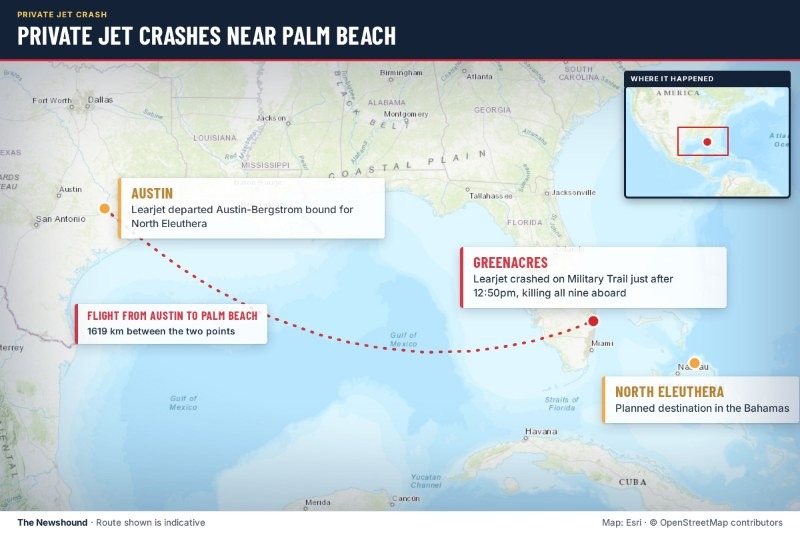
The jet had been en route from Austin, Texas to the Bahamas when it came down, missing two mobile homes by only a few feet — a 'miracle', according to Palm Beach County Commissioner Joel Flores, as the aircraft hit nothing but asphalt.
Up to 600 residents of the neighbouring Green Acres mobile home park were evacuated after the crash, with debris scattered across rooftops and 'body parts' found throughout the site.
Recorded radio traffic revealed the pilot had described manageable ice and moderate turbulence shortly before issuing the mayday call, after which the aircraft went into its catastrophic near-vertical descent.