
Israeli archaeologists uncover 2,000-year-old aqueduct that carried water to Jerusalem's Temple Mount without pumps
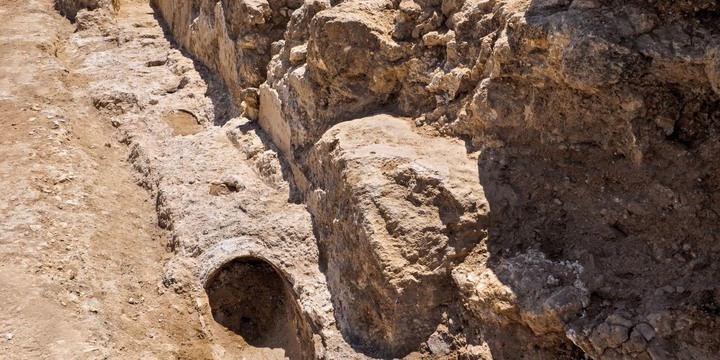
Israeli archaeologists have uncovered a 300-metre stretch of Jerusalem's ancient Lower Aqueduct, brought to light by salvage excavations before construction of a new residential development near Kibbutz Ramat Rachel, south of Jerusalem. The Israel Antiquities Authority announced the discovery on Sunday, noting that no section of this scale has ever been permanently opened to the public before. Excavation directors Dr Benyamin Storchan and Gil Freid said the engineering was so accomplished that the system continued to see occasional use until roughly a century ago. Stretching 21 kilometres on gravity alone, the aqueduct drew water from Solomon's Pools, south of Bethlehem, all the way to the Temple Mount.
Hasmonean architects threaded the route through hills and bedrock, holding the gradient to just one metre per kilometre to sustain flow without any mechanical assistance.
Ottoman-era repairs some 500 years ago introduced ceramic pipes within the original plastered channel, demonstrating how indispensable the system remained across the centuries.
The uncovered section is to be transformed into a promenade and archaeological park at the entrance to the planned new neighbourhood.