King Charles stops short of a slavery apology in Antigua and praises Royal Navy's 'leading role' in ending the trade
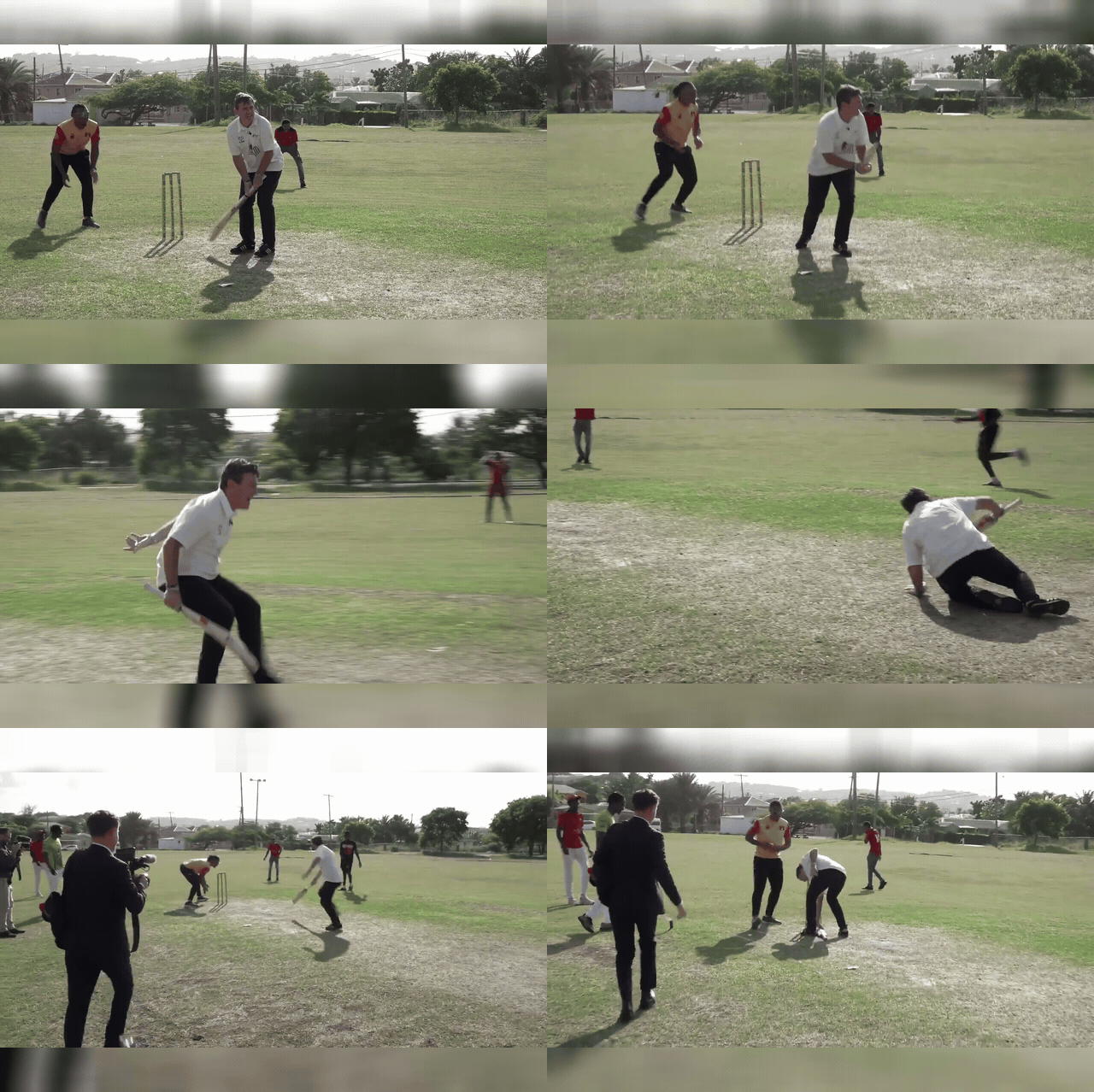
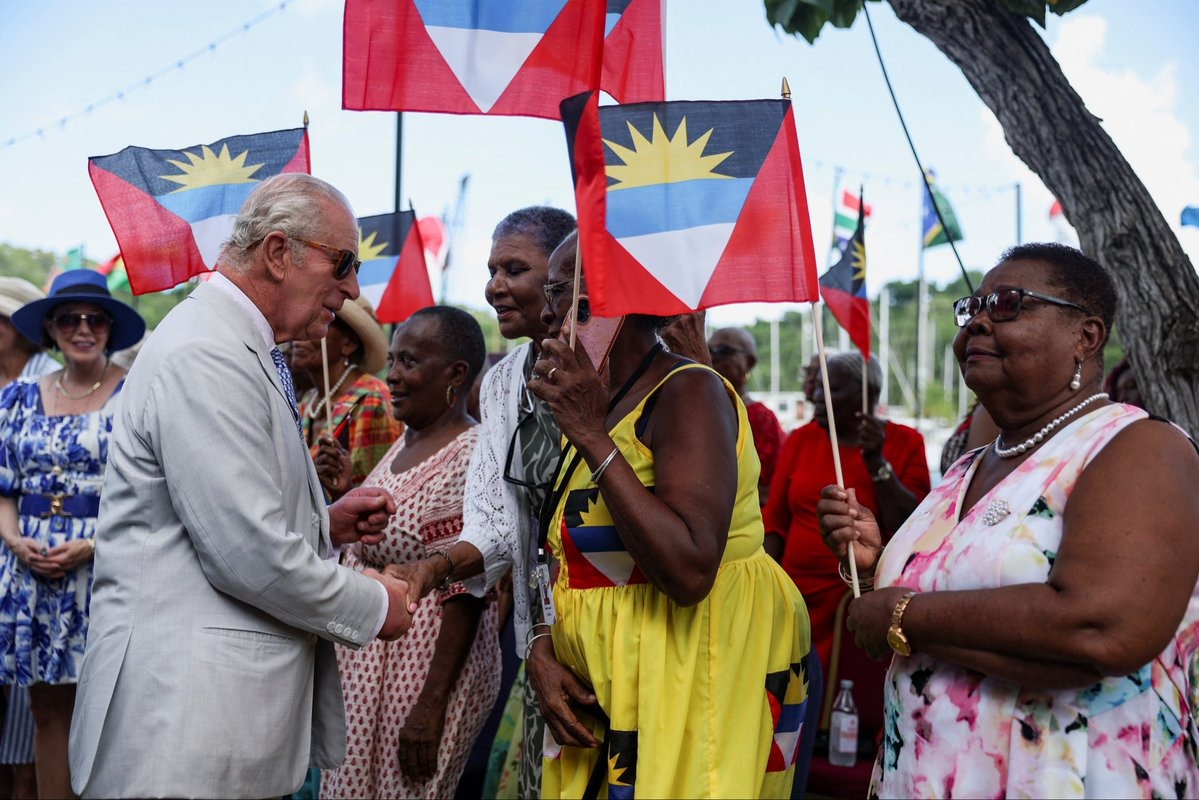
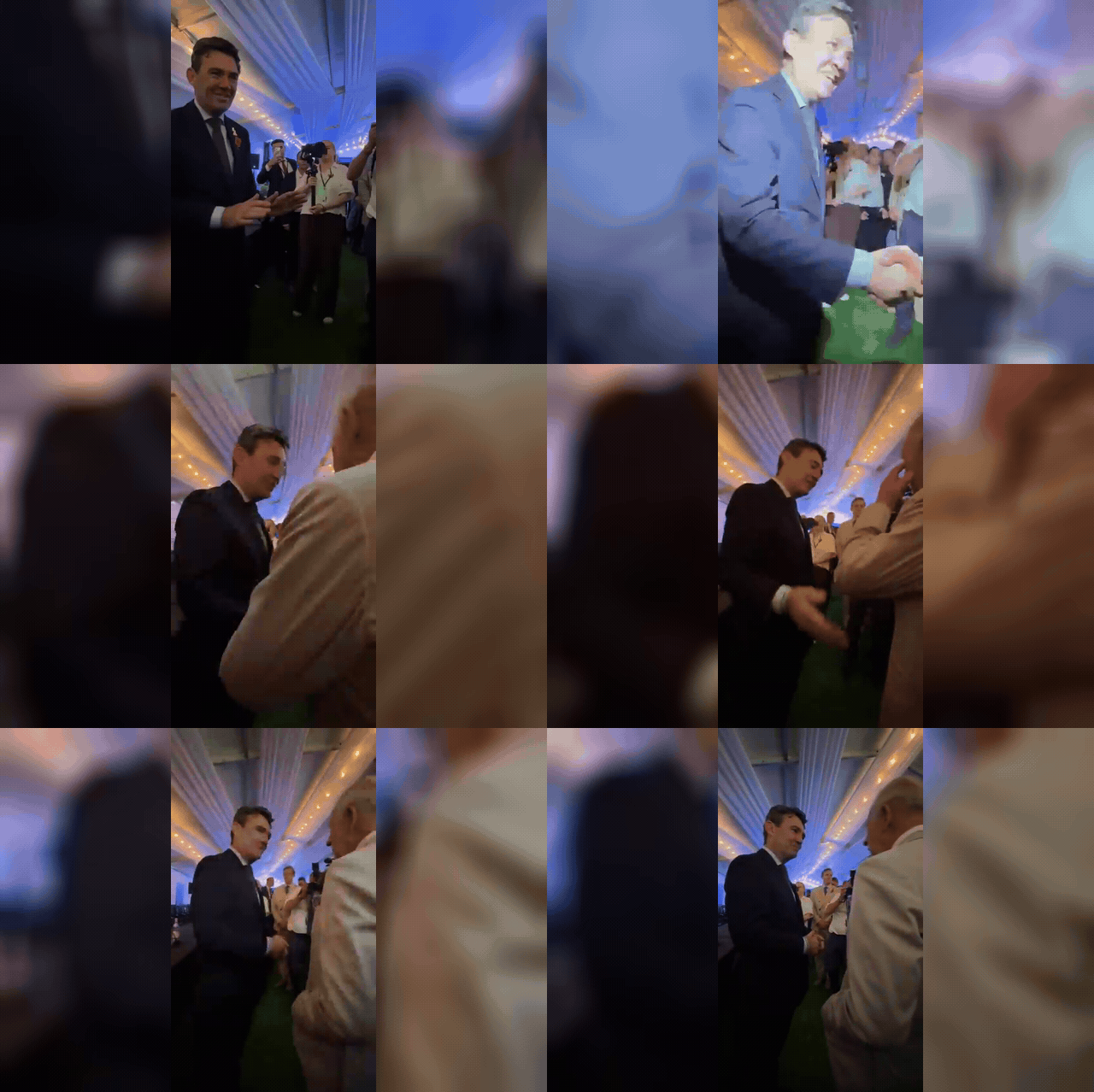
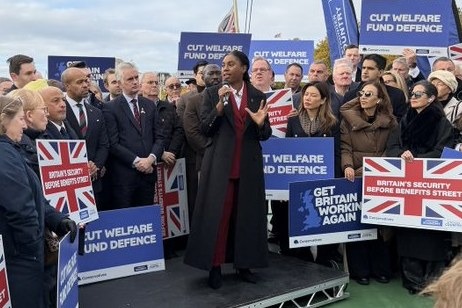
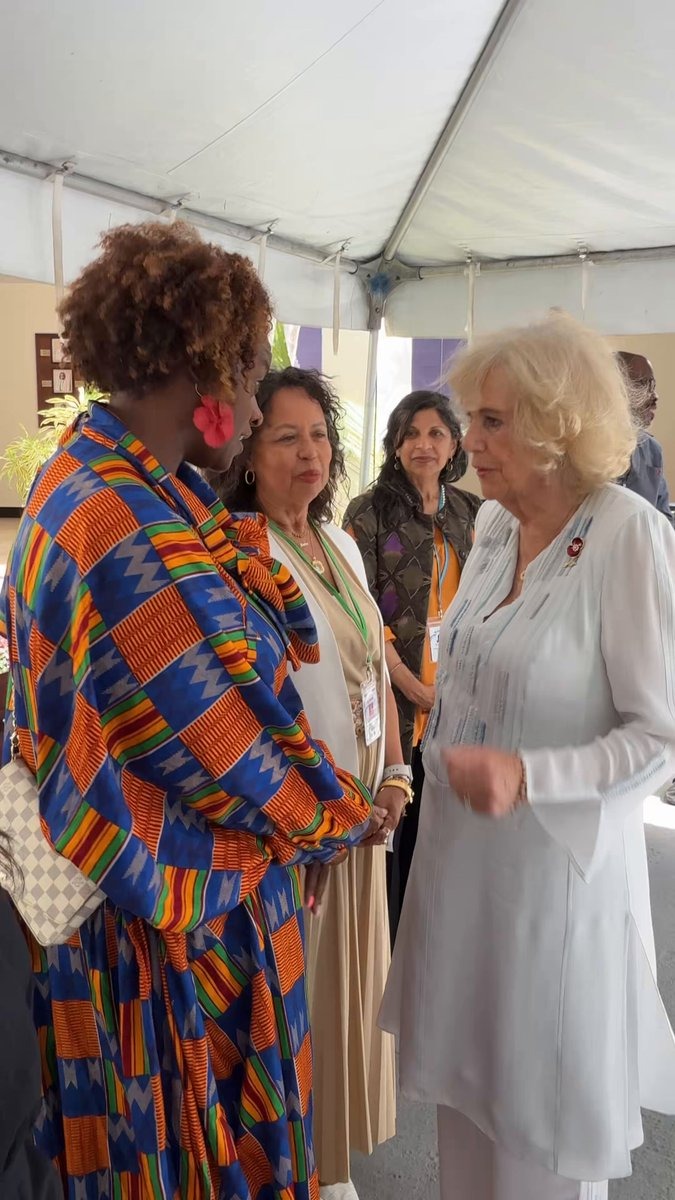
King Charles III, whose remarks drew no commitment to reparations, with Buckingham Palace insisting he would not be responsible for delivering any apology.Andy Burnham fell while playing cricket at the Commonwealth summit in Antigua, where he has ruled out reparations but launched structured talks on a formal slavery apology.King Charles III at Nelson's Dockyard, Antigua and Barbuda, where he learned about efforts to protect the islands' natural and built heritage, as Foreign Secretary Ed Miliband and former Prime Minister Gordon Brown joined efforts to build towards a formal slavery apology.Andy Burnham, Prime Minister, met King Charles at the Commonwealth Business Forum at the Sticky Wicket, as former Archbishop of Canterbury Justin Welby branded the £40m taxpayer-funded allocation for Caribbean green energy and infrastructure a 'moral evil'.On board HMS Wellington, Tory leader Kemi Badenoch said Britain should "stop apologising" for its role in the slave trade, as Burnham warned a formal UK apology is now expected next year when Britain holds the G20 presidency.Queen Camilla met women advocating for others across the Commonwealth, including survivors of abuse, as Andy Burnham separately opened formal slavery apology talks at the Antigua summit.
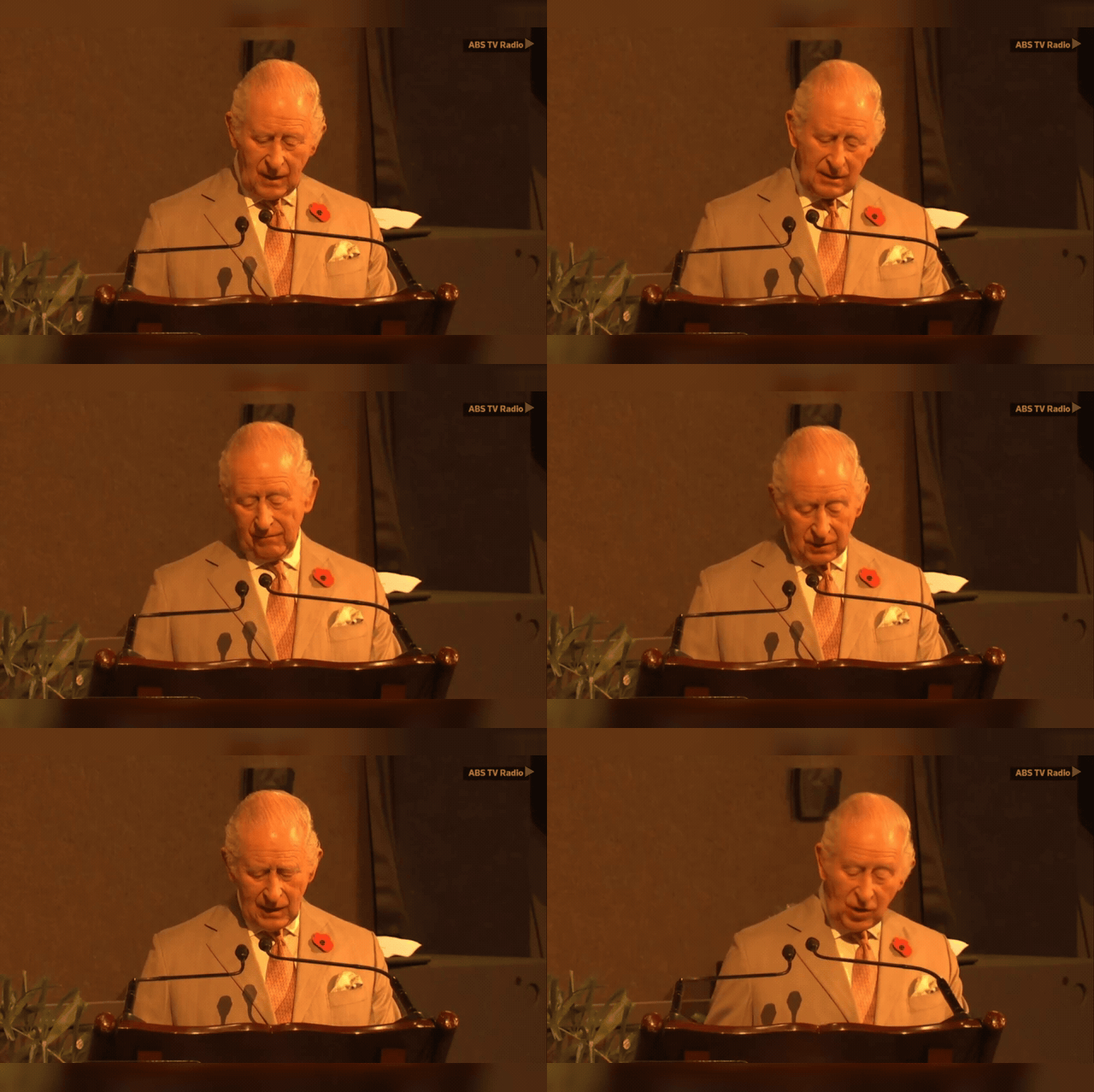
King Charles told Commonwealth leaders in Antigua that the transatlantic slave trade fills him with "horror" and "the most profound personal sorrow" but declined to offer the formal apology Caribbean leaders and protesters were demanding. Speaking at the opening of CHOGM, he pointedly credited the Royal Navy's "leading role" in enforcing abolition — a remark certain to inflame reparations campaigners. Prime Minister Andy Burnham, also at the summit, backed apology talks but ruled out direct financial reparations, leaving him tight-lipped on whether any new approach involves taxpayer cash.
Charles said 'we cannot change the actions of those who came before us', effectively drawing the line against a formal state apology.
Protesters outside the meeting held signs reading 'You say you regret so apologize — reparatory justice now!' as Caribbean leaders intensified pressure.
Kemi Badenoch had already declared Britain owes no apology, citing the same Royal Navy abolition argument Charles himself deployed.