King sounded 'giddily elated like a lottery winner' when he called about Diana's death, Earl Spencer claims
From the Newshound archive · first published 19 September 2026.
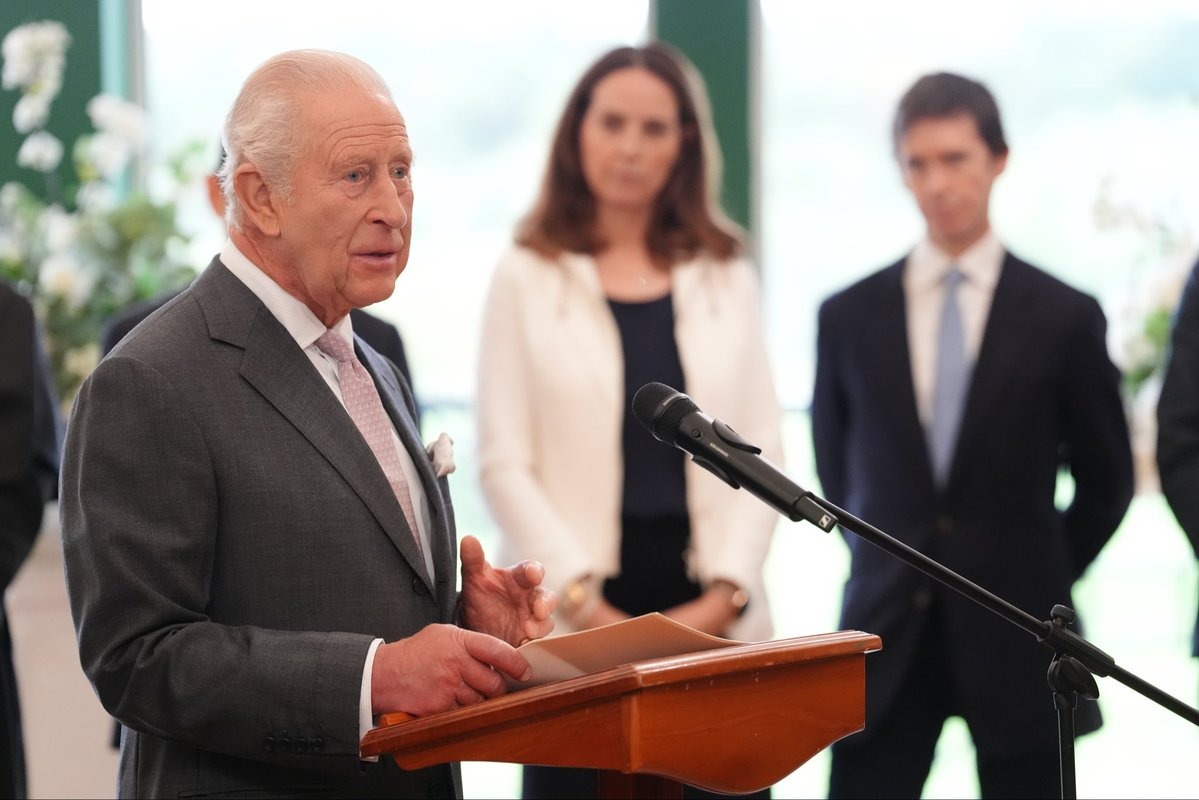
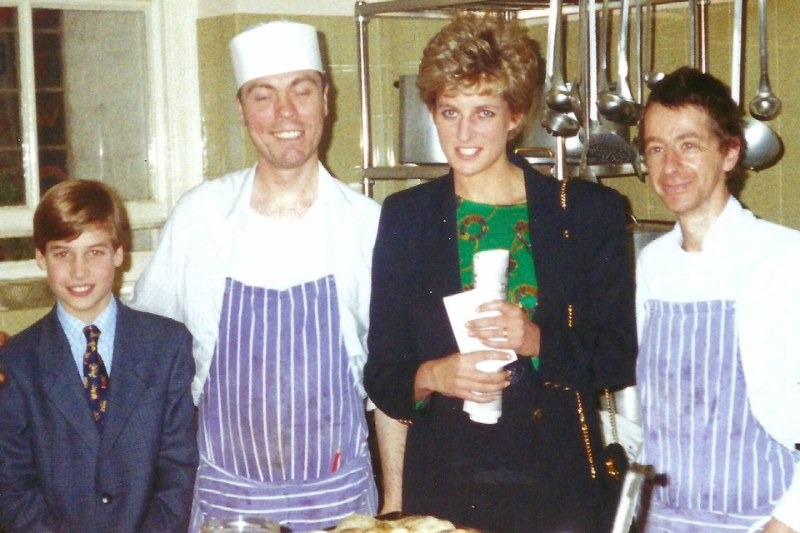
King Charles III, who Buckingham Palace says is grieved by Earl Spencer's claim that he sounded "giddily elated — like a lottery winner" on the night Diana died in 1997.Diana, Princess of Wales, with Prince William and chefs at The Passage, London. Earl Spencer's memoir alleges Charles told Diana on the eve of their 1981 wedding that he was "very happy to marry her, but not actually in…Catherine, Princess of Wales, trying her hand at shinty on the Isle of Bute — a sport Earl Spencer's memoir claims Charles told Diana he did not love her on the eve of their wedding, a blow she never recovered from.Earl Spencer's memoir, which an insider says was made possible because Prince Harry "didn't bend the rules — he destroyed them," has yet to receive a Palace response to its most explosive allegation.
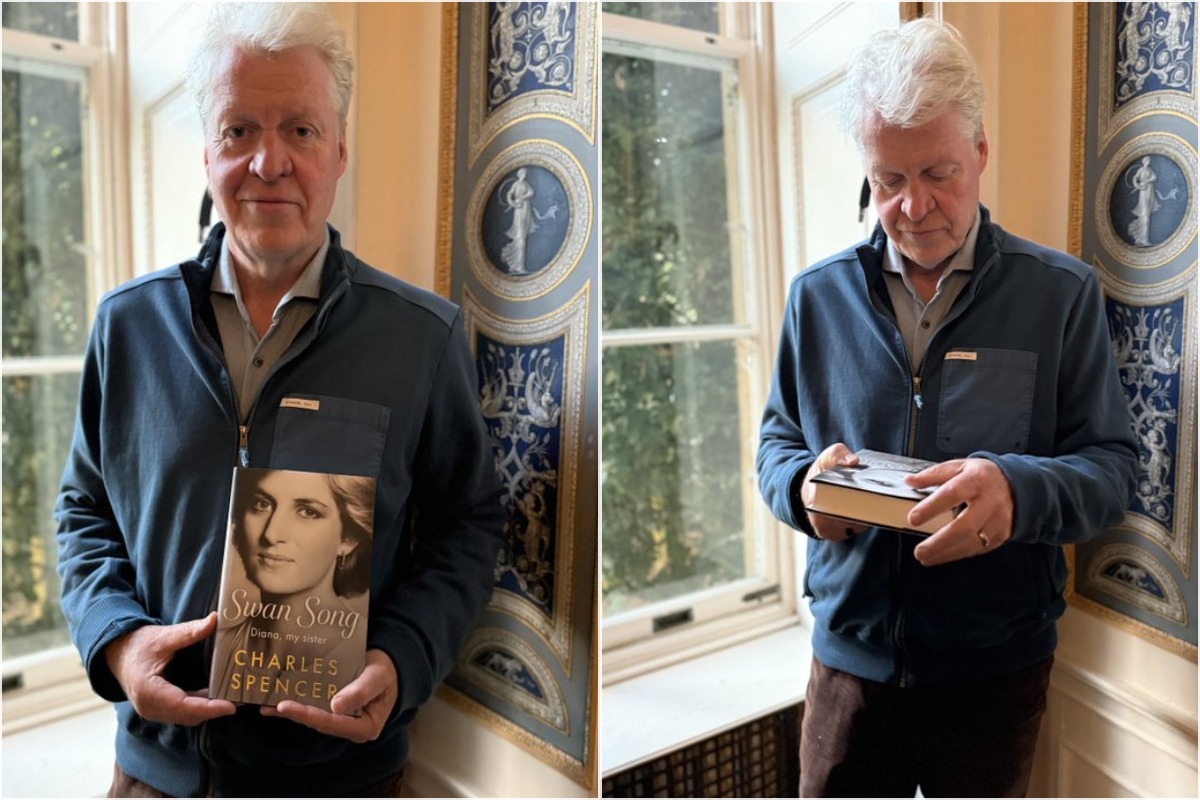
Earl Spencer's bombshell memoir 'Swan Song: Diana, My Sister' alleges King Charles sounded "giddily elated – like a lottery winner" during a phone call on the night Princess Diana was killed in 1997. Spencer, 62, says Charles's first reaction was to think how Diana's death might free him to marry Camilla, rather than mourn the loss of his former wife. Buckingham Palace had already issued an extraordinary rebuttal to an earlier extract, saying "fraternal grief can cloud reason, affect judgment and colour memory." A YouGov poll of 4,833 Britons found the public split — 36 per cent doubt the claim, 31 per cent believe it.
Spencer also alleges Charles told Diana on the eve of their 1981 wedding that he was 'very happy to marry her, but not actually in love with her'.
Palace officials reportedly feared the public would shout abuse at Charles during Diana's funeral procession — so William, Harry and Spencer were placed to walk alongside him as a shield, the book claims.
Prince Harry's memoir 'Spare' reportedly paved the way for such publications, the argument being that once Diana's son could publish, it became harder to argue everyone else must stay silent.