King visits execution site of Guyana's 1823 slave uprising as the Palace insists he will not apologise or discuss reparations
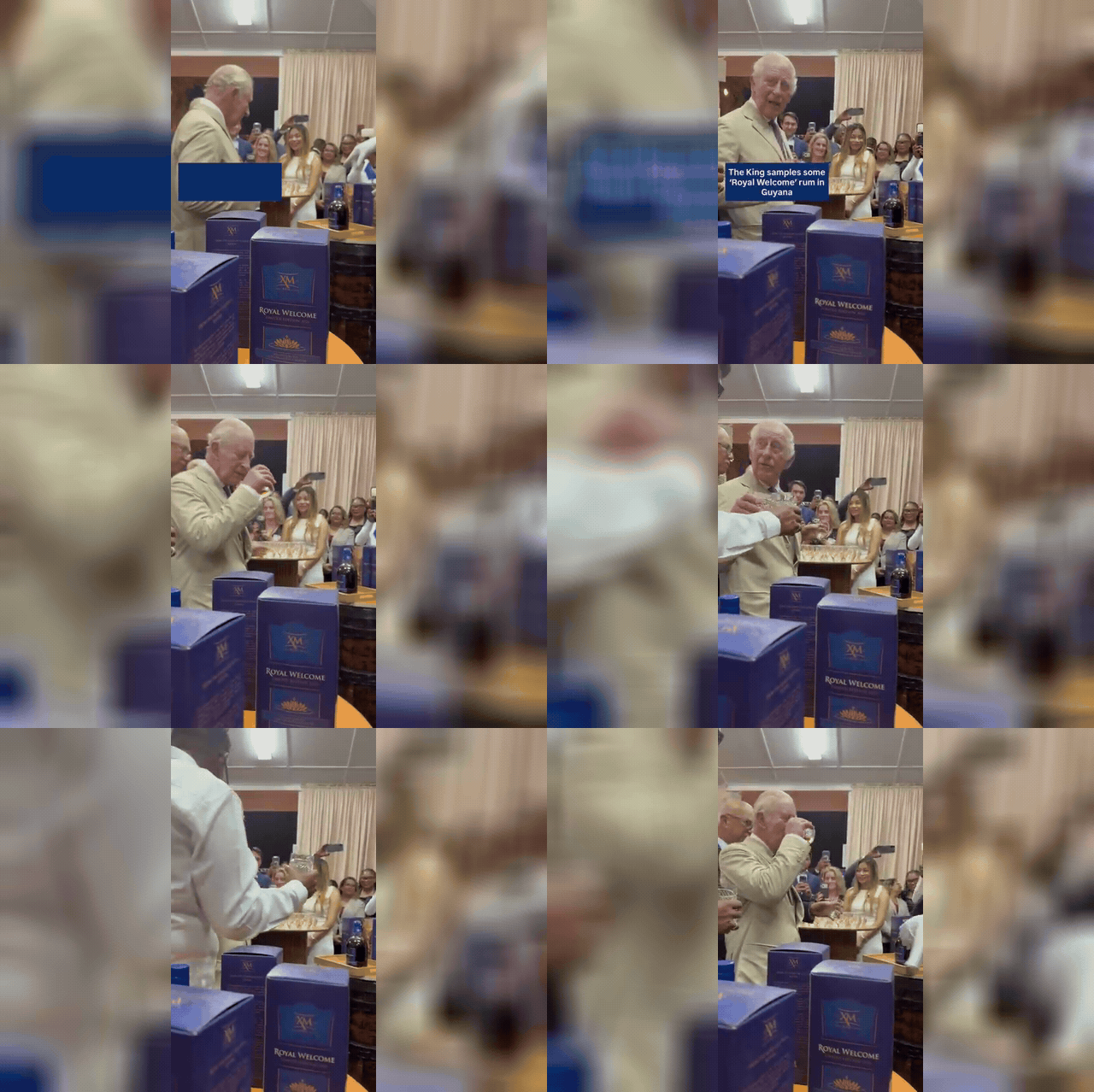
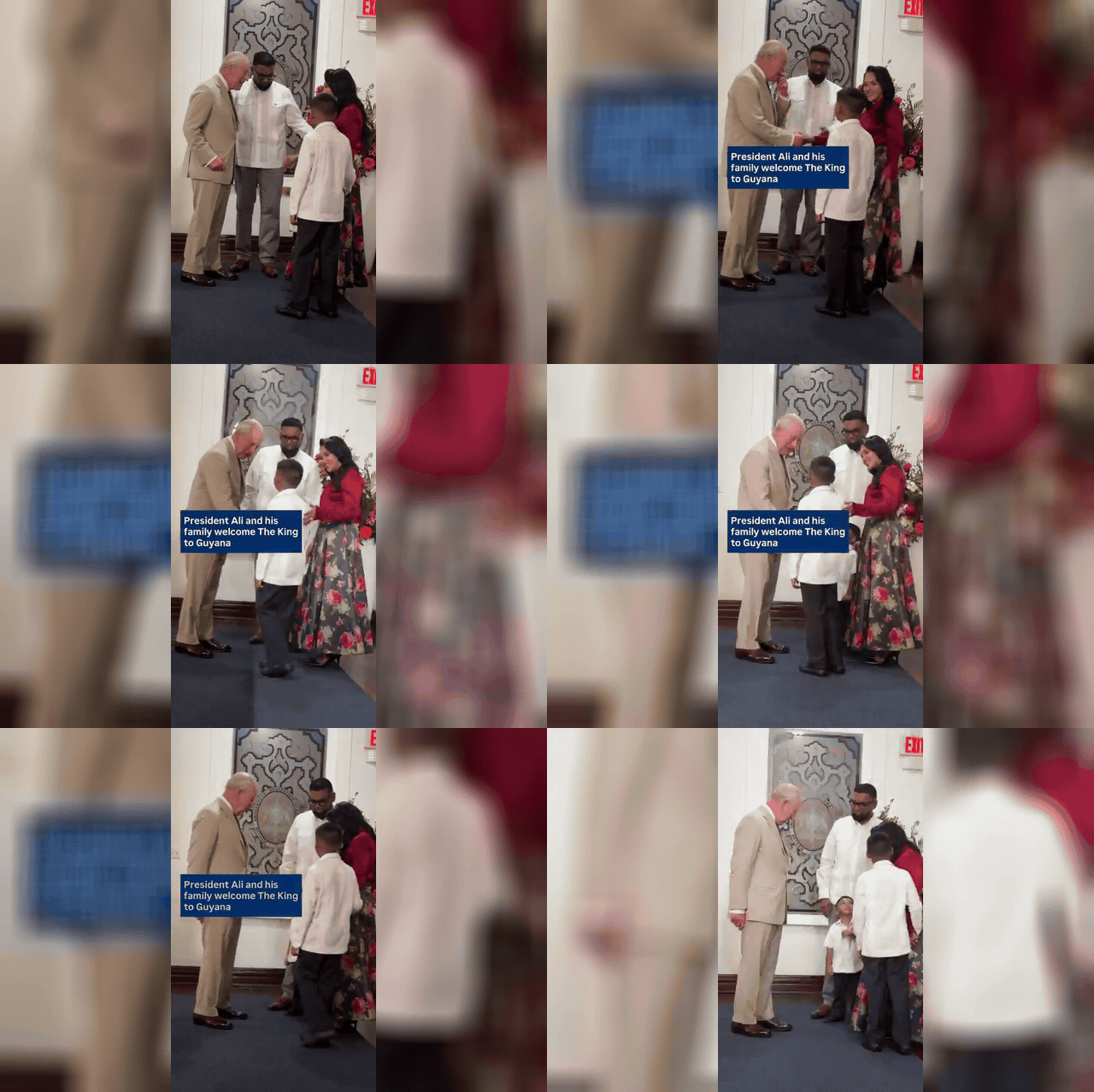
A glass of 'Royal Welcome' rum, created in King Charles's honour and sampled by him at State House in Georgetown, as a small number of protesters held "pay us what you owe us" placards at several events during his…King Charles was welcomed to Guyana by President Mohamed Irfaan Ali ahead of a State Reception marking 60 years of UK-Guyana relations, with pop star Eddy Grant and Foreign Secretary David Lammy among the guests at the…
King Charles, 77, visited Independence Park in Georgetown — the site where dozens of enslaved people were hanged publicly after the Demerara Rebellion of 1823 was violently suppressed — and acknowledged 'shameful' chapters of British history, even as Buckingham Palace ruled out any apology or discussion of reparations. The rebellion broke out on the plantation of Sir John Gladstone, whose son William Gladstone would later become prime minister, when thousands of enslaved people rose up; hundreds were killed putting down the revolt, and survivors faced execution. Charles also laid honours at the Georgetown Timehri Memorial before meeting President Irfaan Ali to press other nations to adopt Guyana's approach to forest protection and carbon credits.
Guyanese President Mohamed Irfaan Ali had described an official apology as 'the next step', but the Palace stood by government policy and did not move.
Outside the King's engagements, protesters called for reparations, with local politician Terrence Campbell arguing that Britain 'benefited tremendously from slavery.'
Charles also met veteran Donald Grant, 99, who served Britain in World War Two but was told 'black people from the colonies couldn't be in charge of a telephone exchange.'