
Landmark study of 103 bat species rewrites mammals' family tree by tracing their origins to Europe 65 million years ago
From the Newshound archive · first published 23 September 2026 · last updated 24 September 2026.
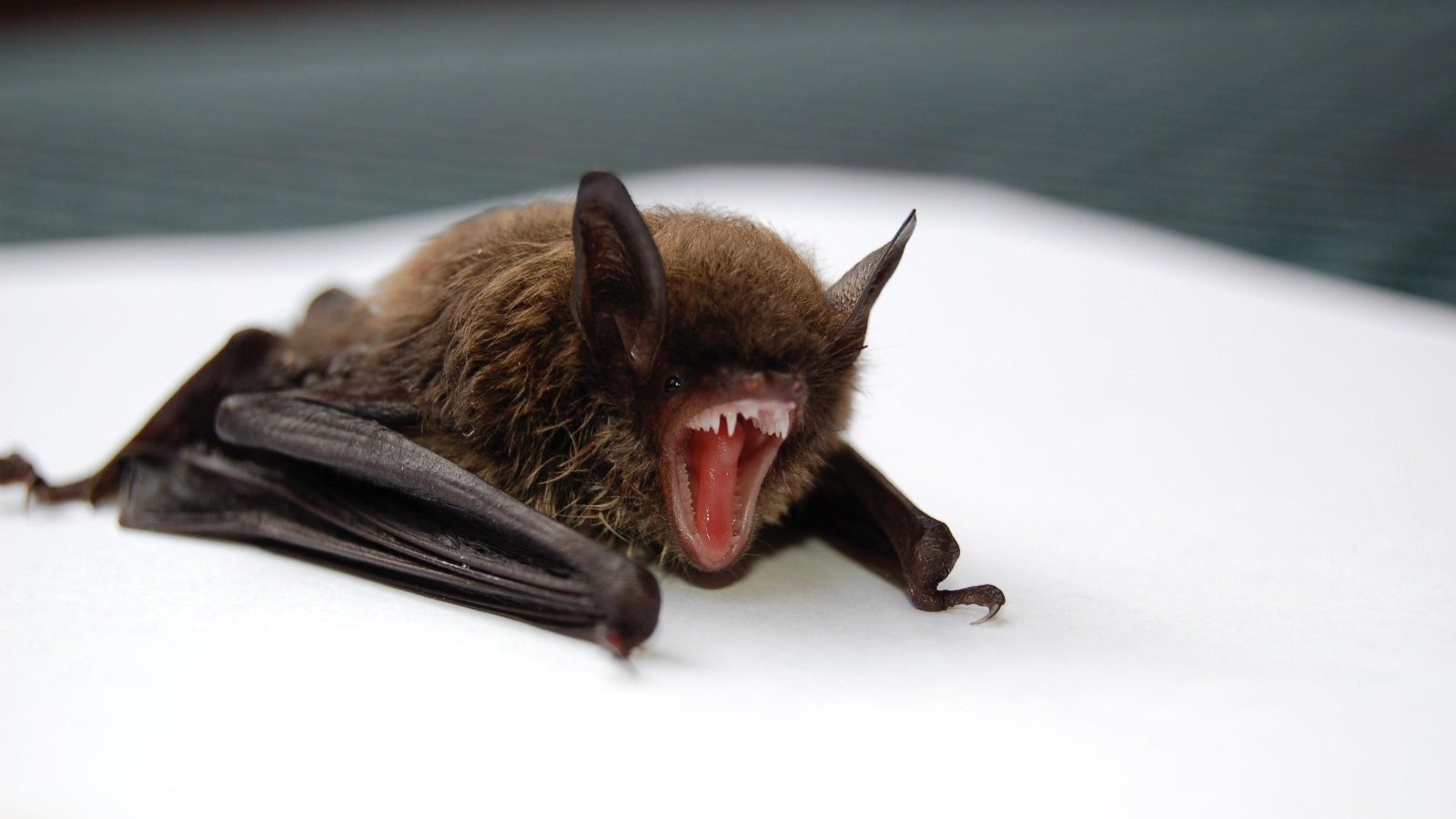
A study published in the journal Nature places the origin of bats in Europe around 65 million years ago, upending earlier theories that had pointed to Asia, Africa or North America. Working at an unprecedented scale, 137 scientists across 64 countries sequenced the genomes of 103 species covering all 21 known bat families and analysed 44 ancient fossils. The findings also suggest that echolocation and powered flight developed at almost the same time, near the very dawn of bat evolution.
Early bats dispersed outward from Europe into Africa, then continued into Asia, the Americas and Australia.
The study reconstructed 26 ancestral bat chromosomes and lays the groundwork for research into why bats age so slowly and are so resistant to disease — insights that could have implications for human treatments of viruses and cancer.
Study author Liliana Davalos of Stony Brook University said the published genome data is expected to 'catalyze the study of bats as mammals with a series of unique anatomical, aging, and immunological traits.'