
MIT professor warns that heavy AI use is stripping people of the ability to think for themselves
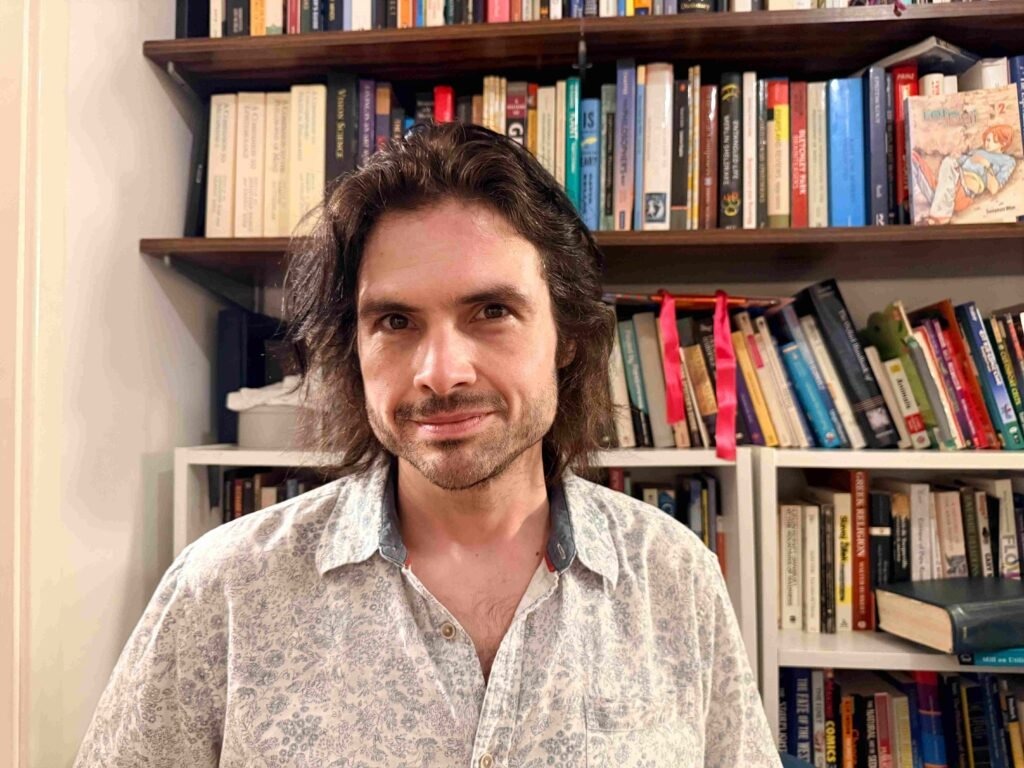
Eric So, a professor at MIT Sloan School of Management, publishes 'The Collision: What AI Does to Us' today, arguing that handing questions to AI removes the mental struggle that builds real thinking skills. He opened his own book describing the moment he let ChatGPT finish a sentence for him and felt immediate unease. An Anthropic study found roughly half of college students' AI queries asked for simple answers requiring almost no independent effort.
So argues willpower alone will not protect people — the brain's hardwired drive to spare mental effort means AI becomes the default, lowest-resistance option.
Students are hardest hit, he says, turning assignments into transactions rather than the stretching, failing and trying again that actually builds understanding.
Google DeepMind has hired a resident philosopher, Henry Shevlin, to grapple with the same territory — including whether AI could ever become conscious.