
MIT professor warns that heavy AI use is stripping people of the ability to think for themselves
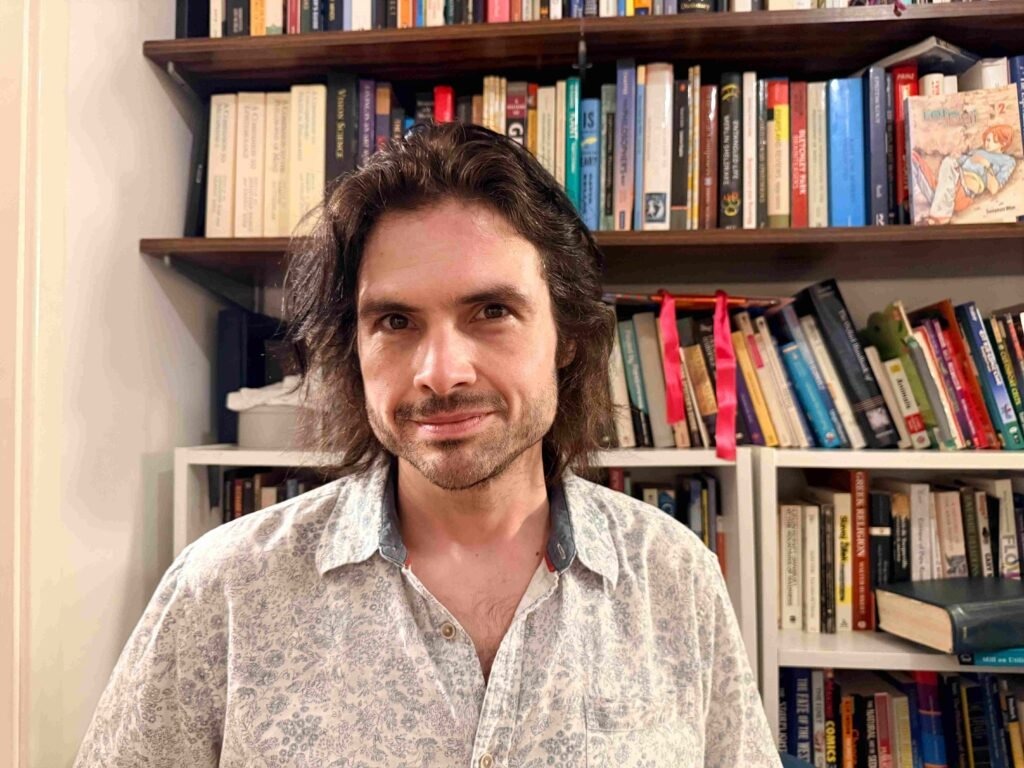
Eric So, a professor at MIT Sloan School of Management, warns in his new book 'The Collision: What AI Does to Us' that relying on AI for ready-made answers triggers "cognitive atrophy" — people simply never build the thinking skills they would have developed by struggling through problems themselves. Published on 15 October by W.W. Norton, the book draws on academic research and industry data to argue the cost of AI convenience is invisible but serious. An Anthropic study cited by So found roughly half of college students' AI queries were low-effort requests for simple answers. So admits he caught himself asking ChatGPT to finish a professional message and felt uneasy about having "removed my own thinking from the process."
Willpower alone won't fix it, So argues — the brain's hardwired drive to conserve mental energy, combined with peer pressure from faster AI users, pushes everyone toward offloading thought.
Google DeepMind has hired Cambridge philosopher Henry Shevlin full-time to grapple with how humans should relate to AI and whether it can ever be conscious.
HR software firm Paycom is pitching AI as a cure for "decision fatigue," illustrating exactly the corporate appetite for removing human judgement that So warns against.