
MIT professor warns that handing thinking to AI strips the skills that struggle alone can build
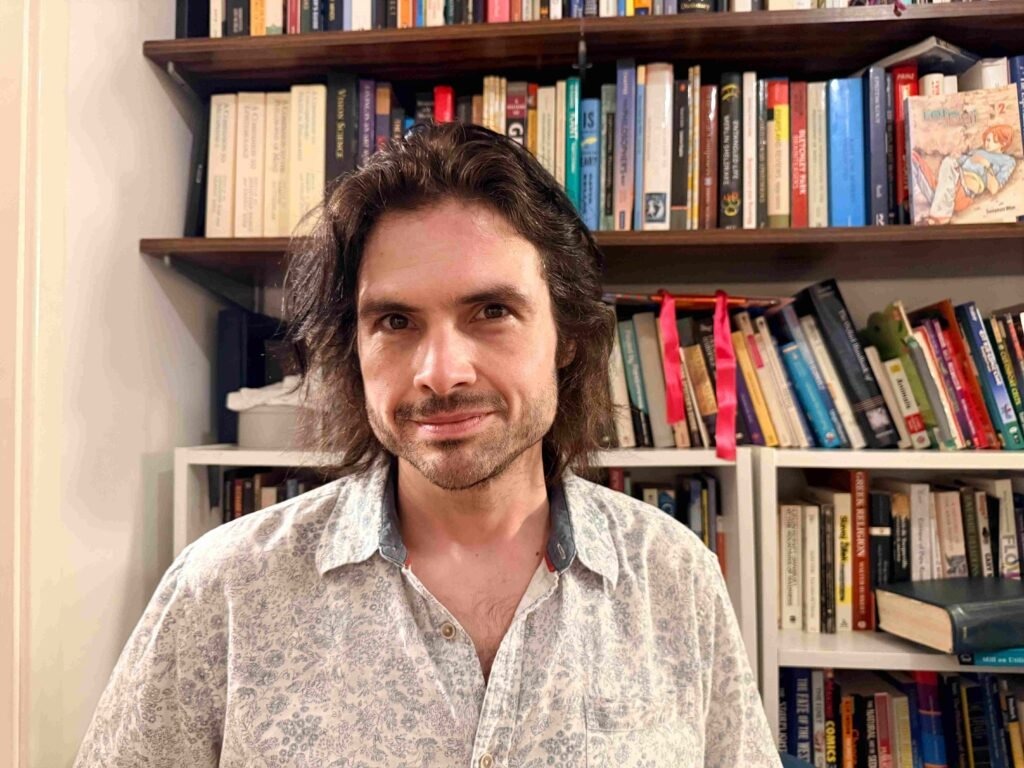
MIT Sloan professor Eric So published 'The Collision: What AI Does to Us' on Wednesday, arguing that relying on AI for answers quietly destroys the cognitive effort that builds genuine thinking skills. So draws on an Anthropic study finding that roughly half of college students' AI queries demanded simple answers with minimal effort behind them. He warns that willpower alone cannot hold the line against a technology that exploits our instinct to conserve mental energy.
So opens the book by confessing he let ChatGPT finish a message to a colleague, then felt 'concerned about how I had removed my own thinking from the process.'
Henry Shevlin, a philosopher who recently joined Google DeepMind, is separately wrestling with whether AI should be treated as a person and whether it could ever be conscious.