
NASA reveals a six-storey asteroid smashed into the Moon in a 'once-in-a-lifetime' impact that carved the largest new crater ever found
From the Newshound archive · first published 19 September 2026.
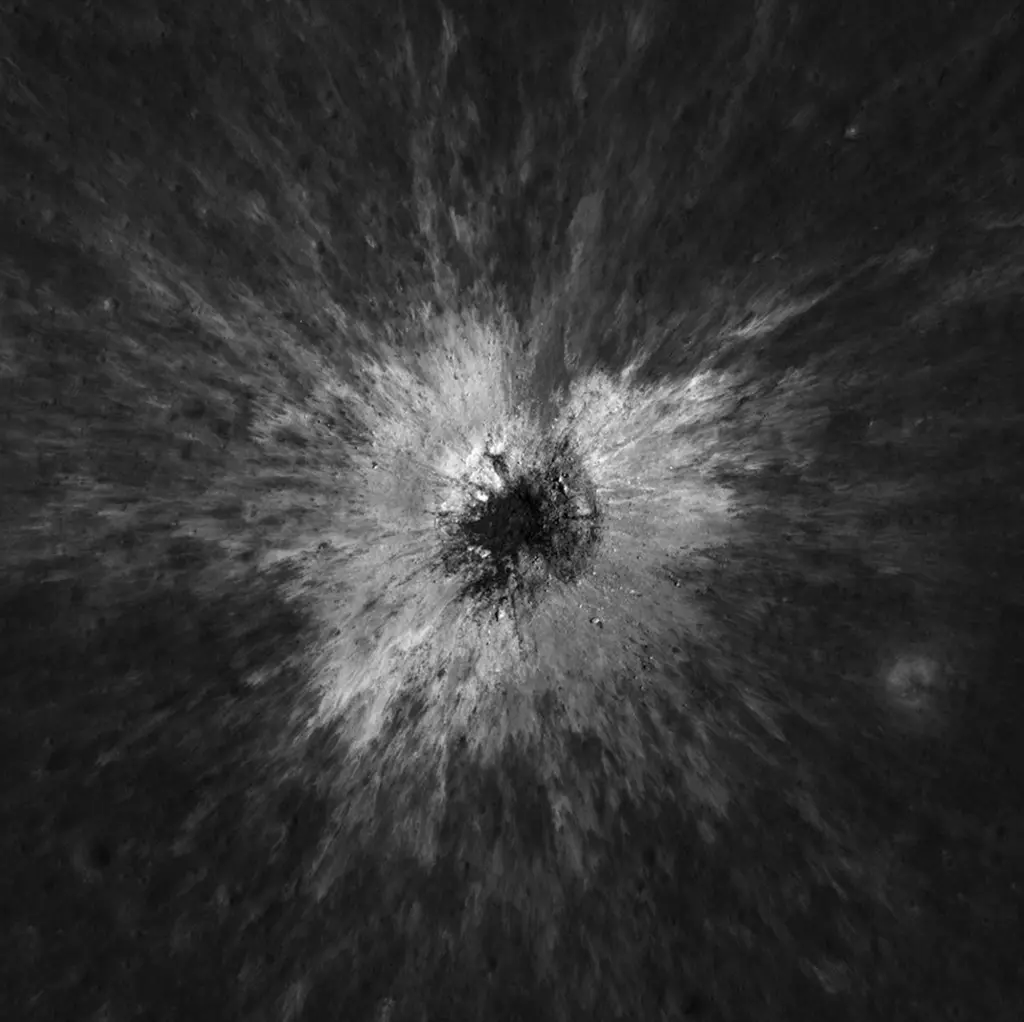
NASA scientist Robert Wagner stumbled upon the find in May 2024 during a routine data review, spotting an unusually bright patch encircled by a dark halo on a lunar map and immediately dropping everything else to investigate. The resulting McGetchin crater — named after lunar scientist Tom McGetchin — measures 728 feet wide and 141 feet deep, three times larger than the previous record-holder and the biggest newly-formed crater documented anywhere in the solar system. According to scientists, an impact on this scale is only expected to occur once every 132 years.
Sometime between 11 April and 22 May 2024, a comet or asteroid fragment roughly the height of a three-to-six-storey building slammed into the Moon's eastern edge.
NASA's Lunar Reconnaissance Orbiter, in continuous orbit around the Moon since 2009, verified the discovery by matching images of the lunar surface taken before and after the event.
Scientists caution that because the Moon has no atmosphere, space rocks that would disintegrate on approach to Earth instead reach its surface with their full force intact.