
NASA's Swift space telescope plunges to Earth near Indonesia after a 22-year mission and a failed robotic rescue
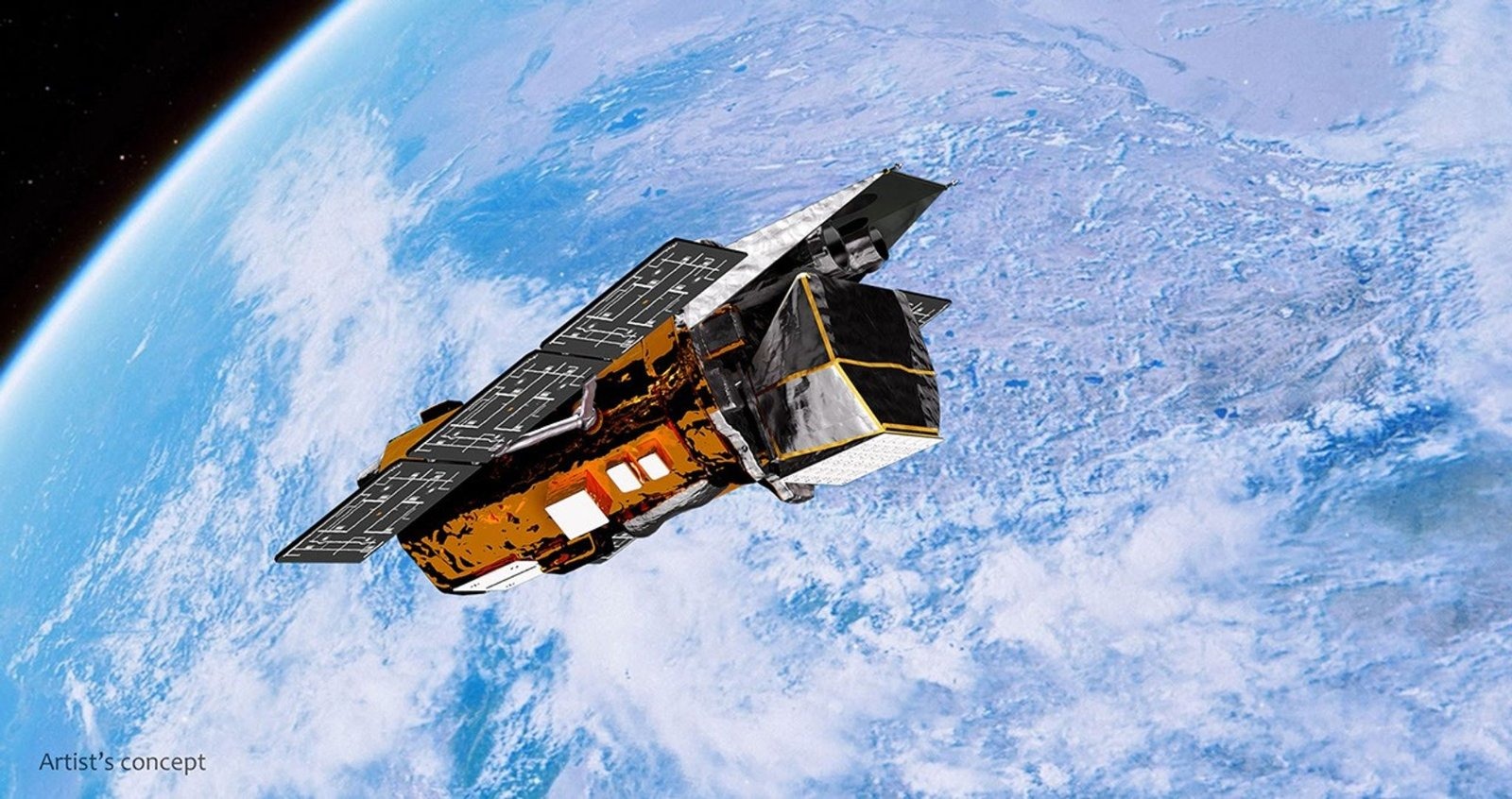
The Swift Observatory, a 1,452kg telescope that ran for 11 times its planned two-year lifespan, underwent an uncontrolled reentry on Wednesday, burning up after years of orbital decay driven by intense solar activity. U.S. Space Force tracking placed the crash site near Indonesia. NASA had committed $30 million to a last-ditch commercial rescue, but Katalyst Space's robotic craft was lost in September following a failed July launch.
Swift had catalogued thousands of gamma-ray bursts since 2004, acting as an early-warning system that directed more powerful telescopes around the world toward each event.
The odds of falling debris striking anyone stood at one in 2,100; titanium components, mirror assemblies and instrument fittings were considered likely to survive reentry intact.
NASA is now inviting commercial proposals to preserve the Hubble Space Telescope, which faces reentry by the mid-2030s, with any rescue mission required to launch no later than 2032.