
Netanyahu clings on as Israel's caretaker prime minister while Arab parties' record 19 seats leave the opposition short of a majority
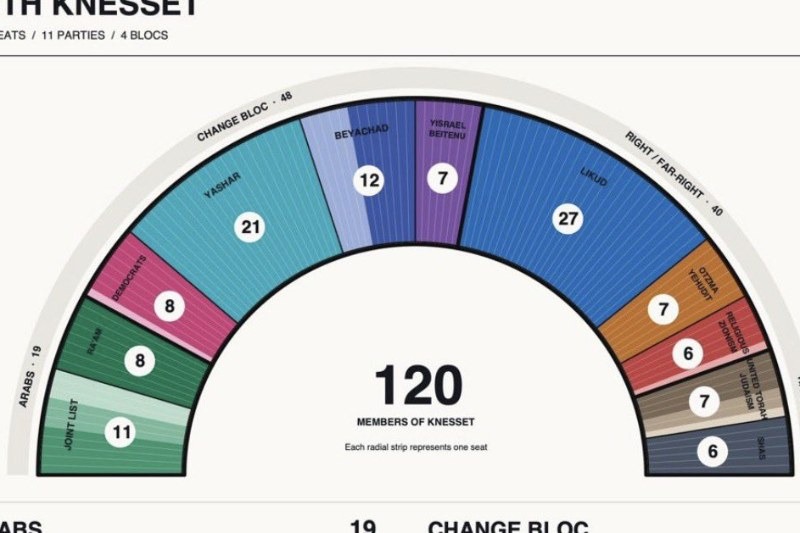
Likud took first place in the election with 27 seats, yet Netanyahu's right-wing and religious allies together claimed only 53 of the Knesset's 120 seats — eight fewer than the majority he had held before the vote. Arab parties' record-breaking 19 seats give them potential leverage, but right-wing factions within the opposition bloc have ruled out sitting alongside them in any coalition, leaving opposition leader Gadi Eisenkot's 48-seat alliance equally unable to form a government. President Isaac Herzog is expected to consult all party leaders before deciding whom to task with forming a government, with November 18 set as the deadline for parties to file any challenges to the final count.
Bedouin women tripled turnout in some southern Negev villages, with activist Hanan Alsanah's grassroots Alnashmiat network driving the surge.
Jewish ex-cop and self-described Zionist Yoav Segalovitz will enter the Knesset representing Ra'am, the Arab-led Islamist party that won eight seats.
Israel's Democracy Institute analyst Assaf Shapira expects Herzog to offer Eisenkot first crack at forming a government, in line with precedent.