
Nuclear weapons fallout is trapped in whale teeth lets scientists reconstruct the animals' life histories
From the Newshound archive · first published 7 October 2026 · last updated 8 October 2026.
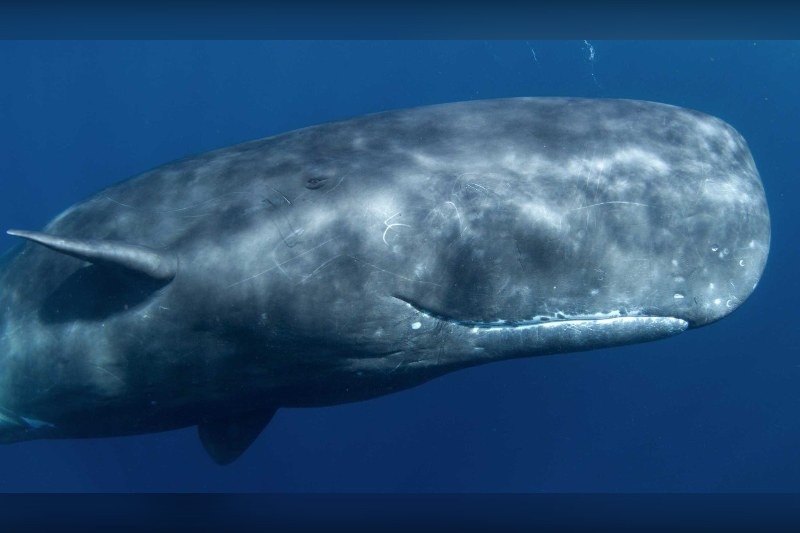
Radioactive traces from Cold War nuclear weapons tests have been used to build a "dental time machine" for stranded whales, revealing ages, diets and migration patterns from layers in their teeth. Researchers from Scottish universities and museums examined teeth from five whales — two sperm whales and three killer whales — that came ashore in Scotland over recent decades. One killer whale studied is now among the oldest male of its kind ever documented. The findings, published in Frontiers in Marine Science, also provide the first direct evidence that whale tooth layers form annually during early to mid-life.
Sperm whale Moby, whose skull is displayed at the National Museum of Scotland, was at least 43 when he stranded on the Firth of Forth in 1997.
Radiocarbon from nuclear tests entered ocean ecosystems and left a dateable signature in whale teeth, letting scientists pinpoint when each growth layer formed.