
Scans reveal hidden corridors beyond Tutankhamun's tomb that could solve the 3,300-year mystery of Nefertiti's burial
From the Newshound archive · first published 21 September 2026 · last updated 22 September 2026.
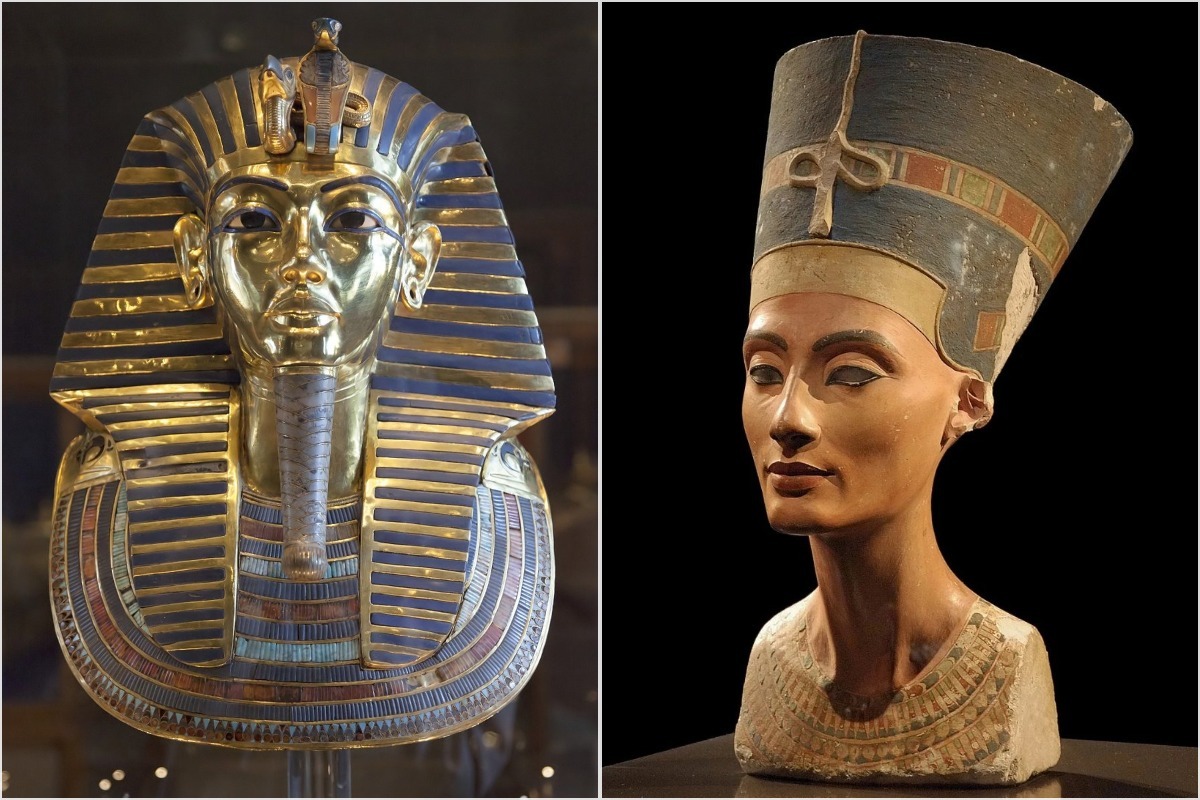
Geophysical surveys at Tutankhamun's tomb in Egypt's Valley of the Kings have detected subsurface anomalies that researchers think could represent an undiscovered network of rooms and corridors predating the boy pharaoh's burial. Radar scanning revealed what appears to be a rubble-filled passage approximately two metres wide extending from the burial chamber, while a microgravity survey based on more than 1,200 readings identified right-angled, low-density structures along the north wall. Mamdouh Eldamaty of Ain Shams University said confirmation could 'rank among the most transformative archaeological discoveries of the modern era'. Specialists not involved in the work are calling for restraint pending physical evidence.
The theory dates to 2015, when British Egyptologist Nicholas Reeves argued KV62 was originally built for Queen Nefertiti and hastily repurposed after Tutankhamun's unexpected death.
One feature, dubbed 'anomaly 7', appears to show a higher-density square zone inside a low-density area — possibly a chamber containing objects.
Nefertiti's tomb has never been found despite decades of searching; her iconic limestone bust sits in Berlin's Neues Museum.