
AI identifies 2,300 genetic switches that could help bring the dodo back from extinction
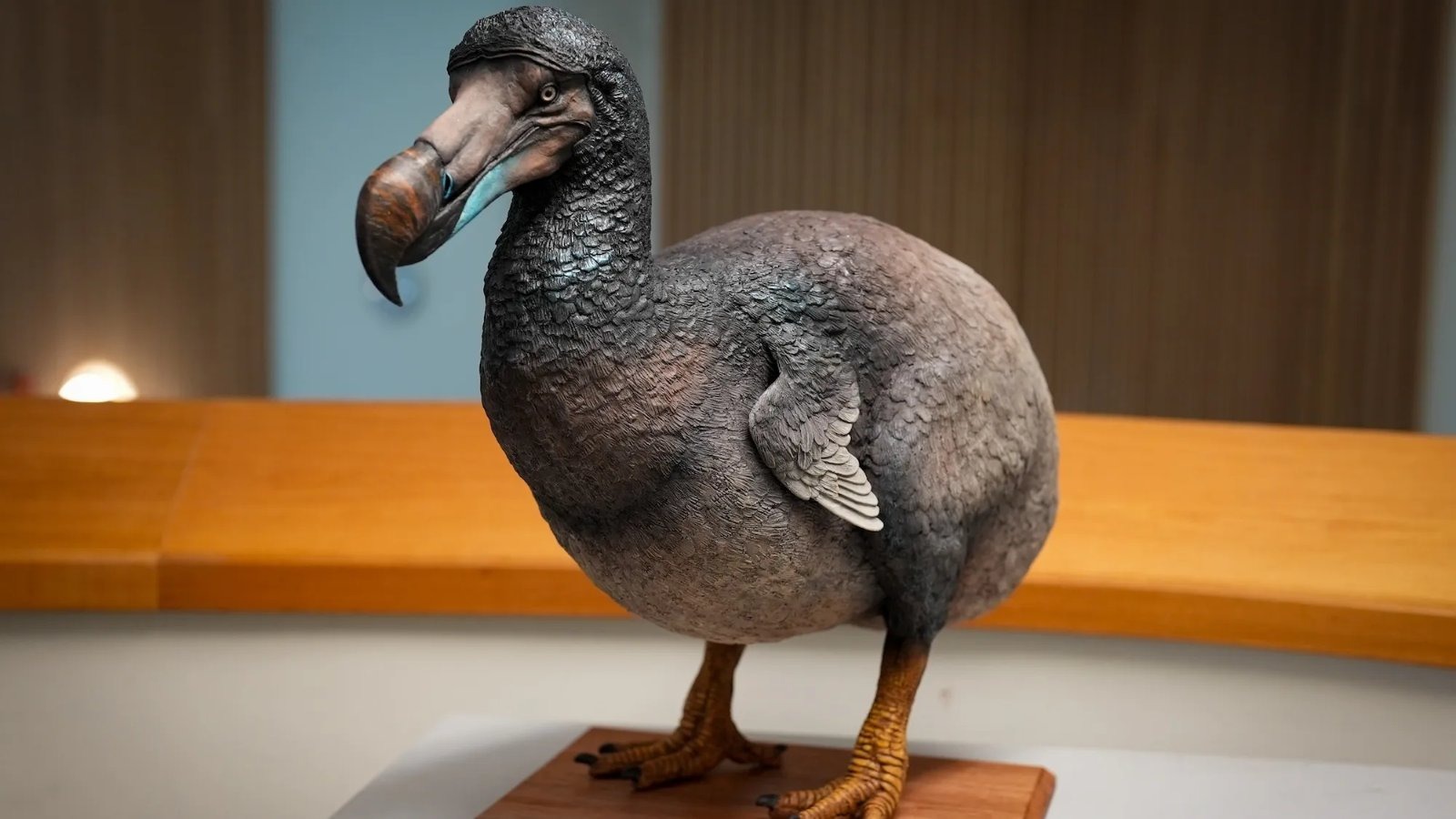
Dallas-based biotech firm Colossal Biosciences has deployed a newly developed AI platform, GenoMorph, to identify over 2,300 regulatory DNA segments tied to the dodo's characteristic skull and beak. The findings give researchers a genetic blueprint for engineering the extinct bird's physical traits into the Nicobar pigeon, its closest living relative, via targeted gene editing. Colossal reports its dodo genome sequencing is now 95% complete and has additionally developed a method to cut the time required to determine whether a given genetic edit achieves the intended effect.
CEO Ben Lamm described de-extinction as 'as much a data problem as a biology problem', explaining that the AI examines how regulatory DNA governs traits in living birds before pinpointing the switches likely responsible for the dodo's anatomy.
Should the dodo be revived, it would be reintroduced to Mauritius, where the species was wiped out within decades of humans reaching the island in the 17th century, driven largely by invasive species including rats.
Colossal already claims to have resurrected the dire wolf last year; its de-extinction programme also targets the woolly mammoth, Tasmanian tiger, bluebuck antelope and 12-foot-tall giant moa.