
Scientists discover why big dogs age faster and die younger, linking 'jumping genes' to their shorter lives
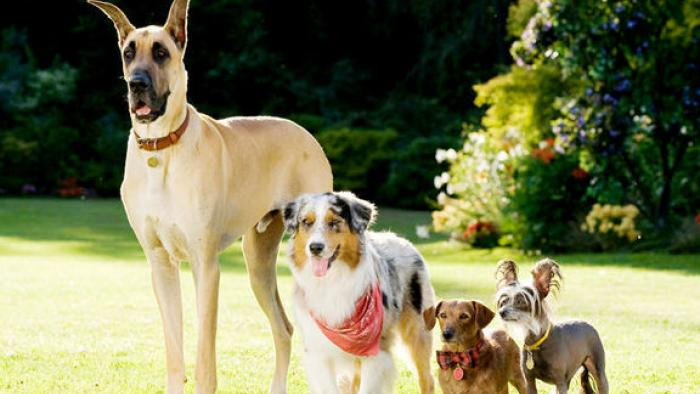
A study published in the journal Science has identified the first compelling molecular explanation for why large dog breeds such as Great Danes and mastiffs age faster and die younger than small breeds like Chihuahuas. Researchers at Arizona State University analysed 1,640 blood methylation profiles from 894 pet dogs, building an epigenetic clock that estimated a dog's age to within less than a year. Larger dogs showed a faster-moving DNA methylation ageing signature, especially in regions that normally keep so-called 'jumping genes' silent. The findings could also help scientists understand how ageing works in humans.
'Jumping genes', known as transposable elements, can copy themselves and insert into new spots in the genome — and larger dogs struggle to keep them under control.
Male dogs as well as larger breeds showed signs of accelerated molecular ageing, and dogs whose biological age outpaced their chronological age faced a higher risk of early death.
Great Danes and mastiffs rarely live past ten years, while Chihuahuas can live nearly twice as long — the most dramatic lifespan variation seen within a single species.