
Scientists find fossilised blood cells in 115-million-year-old Brazilian dinosaur bones for the FIRST time
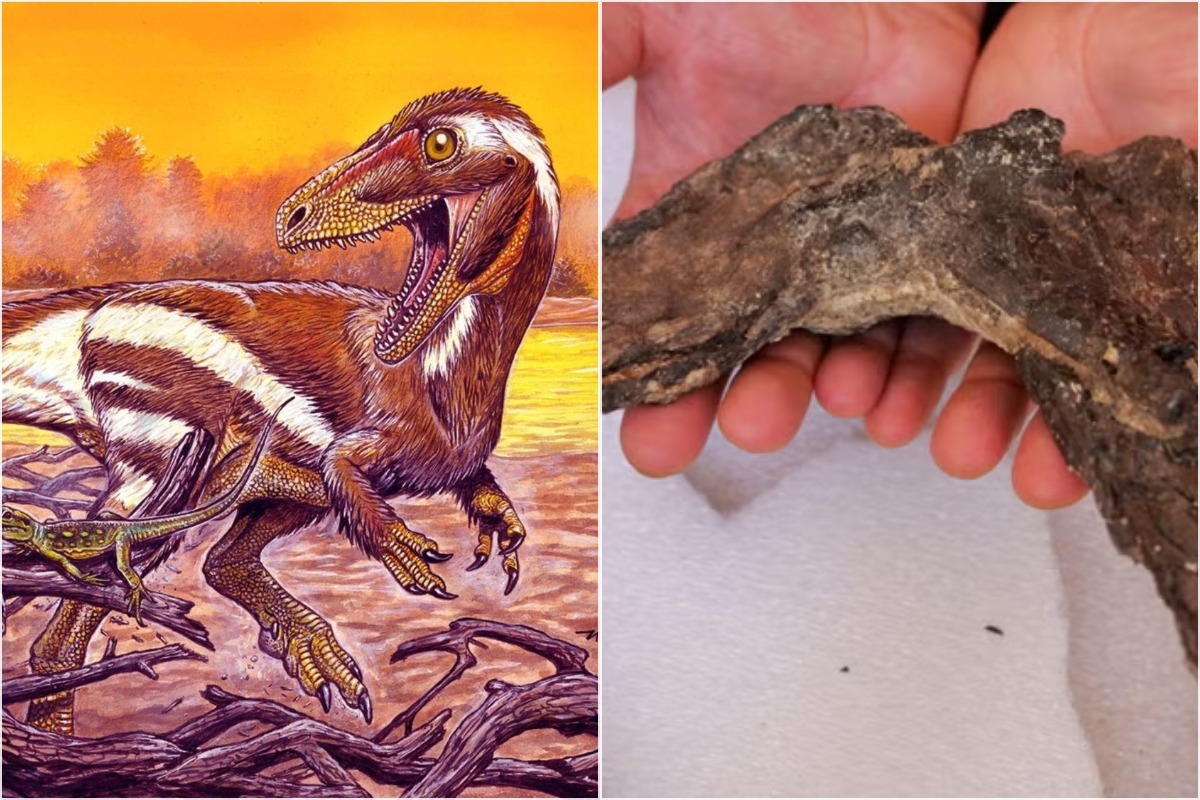
Scientists on an international team have chemically confirmed that haemoglobin-derived molecules are present inside the fossilised leg bones of a juvenile Aratasaurus museunacionali — a 10-foot carnivorous theropod from the early Cretaceous period — a finding once regarded as impossible. The bones were unearthed at a gypsum mine in Brazil's Ceará state in 2008 and held at the National Museum of Brazil until the breakthrough analysis was carried out.
Curtin University chemist Kliti Grice called it 'a mineral and molecular echo of ancient biology', saying detecting intact heme molecules after 115 million years is 'astonishing'.
The researchers attribute the preservation of such delicate blood structures to rapid burial in a low-oxygen, microbe-rich environment, reinforced by manganese mineralisation.
The team argues the discovery raises the possibility that similarly fragile biological traces may have endured elsewhere in the universe, pointing toward new directions in the search for extraterrestrial life.