
Scientists reconstruct the face of a battle-scarred 'Conquest Man' who may have fought at Hastings
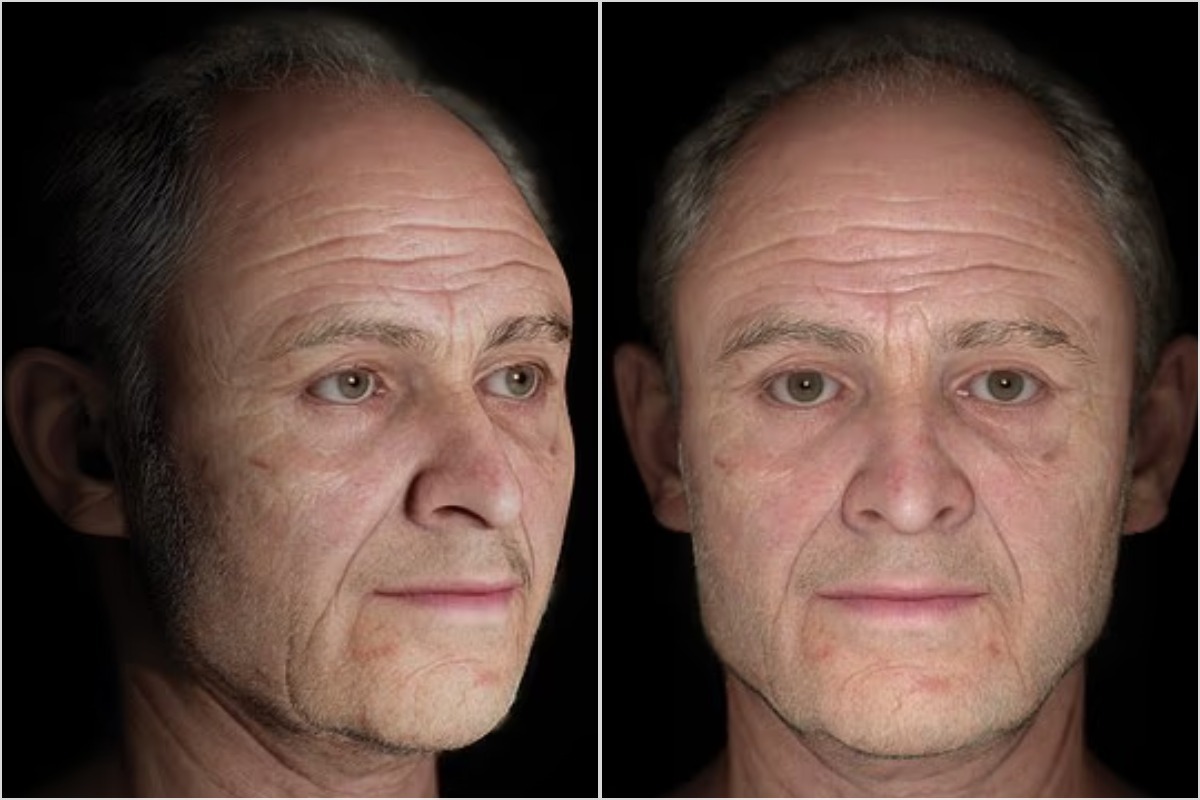
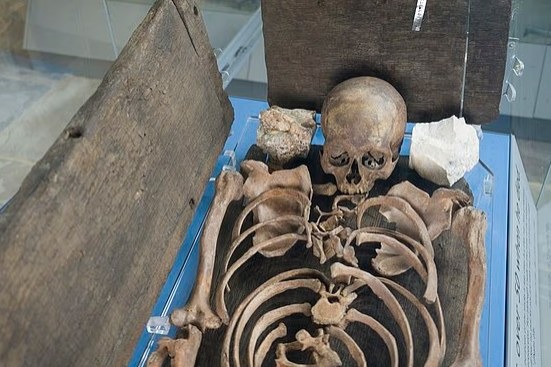
A powerfully built man whose life spanned the Norman Conquest has had his face digitally reconstructed roughly a thousand years after his death. DNA analysis suggests he was neither Norman nor Saxon but most likely Scandinavian. Just 5ft 1in tall, he died somewhere in his fifties and bore the marks of numerous healed fractures, pointing to a life of violence. Researchers combined ancient DNA, stable isotope data and facial reconstruction techniques to piece together his identity. He was given an unusually honourable burial at St Peter's Church in Barton-upon-Humber, Lincolnshire — a private church belonging to one of William the Conqueror's own knights.
Tree-ring dating of his oak coffin puts the felling of its timber at around 1079, placing his death in the late 11th century, shortly after the Battle of Hastings.
Three apple-wood staffs — sacred in Scandinavian tradition — were interred alongside him, pointing to Viking heritage or ties to the old Danelaw.
Kevin Booth of English Heritage, who has studied the man for 20 years, said: 'To be able to now look at his face is to feel we can almost speak to him.'