
Scientists vote to abolish the 'leap second' and allow clocks to drift by up to an HOUR from Earth's rotation
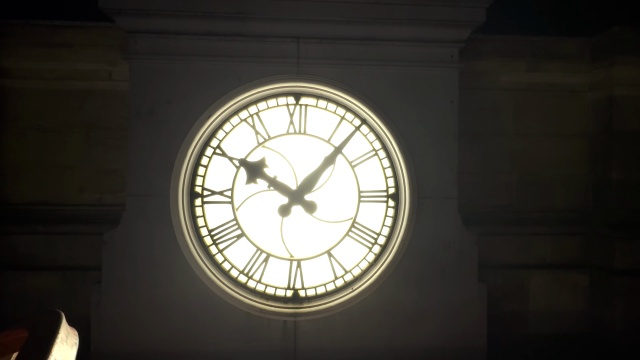
The International Bureau of Weights and Measures has voted at its General Conference in Versailles to scrap the leap second, ending a 54-year practice of nudging atomic clocks to match Earth's wobbling rotation. The change is scheduled to take effect on 20 May 2027 — World Metrology Day — and will allow Coordinated Universal Time to drift up to a full hour from astronomical time. National Physical Laboratory principal scientist Setnam Shemar called it "a good decision overall" that reduces risks to critical infrastructure.
The leap second has been added 27 times since 1972, most recently in 2016, to keep atomic clocks aligned with Earth's spin.
Amazon, Google and Meta had campaigned to kill it, calling the quirk "devastating" to financial markets, telecoms and navigation systems.
Under the new system, a leap hour would be needed only once every thousand years or so, meaning today's clocks may not need adjusting for centuries.