
South Africa's mass sardine deaths are being linked to a herpes virus never before detected in the country's fish
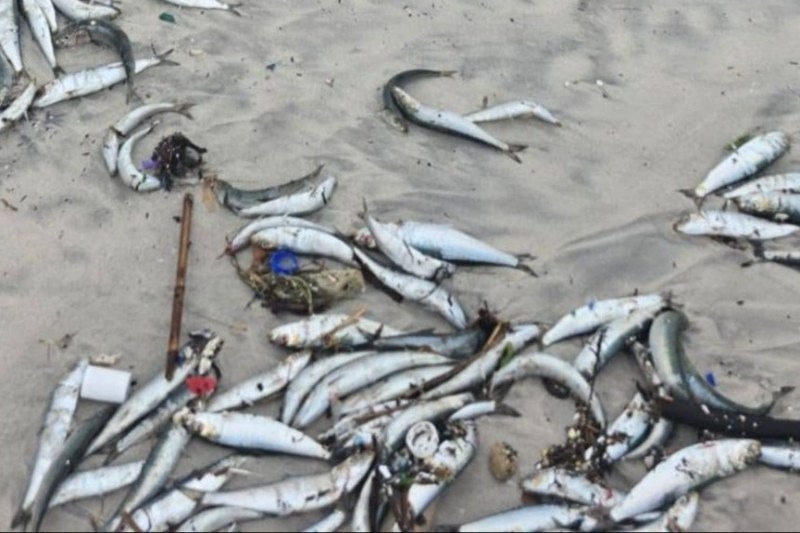
South Africa's west and south coast has seen huge numbers of sardines washing ashore dead or dying this month, and scientists have announced a world first: pilchard herpesvirus, or PHV, has been found in the country's sardines for the first time. Fish collected from the die-off sites carried consistently elevated PHV levels, whereas live fish showed variable levels, leading investigators to identify the virus as the prime suspect. South Africa's Department of Forestry, Fisheries and the Environment says harmful algae, unusually cold sea temperatures, and low oxygen levels have not yet been ruled out as contributing factors.
PHV causes inflammation and thickening of sardines' gills, starving the fish of oxygen — and was connected to two mass sardine die-offs in Australia in the 1990s.
No known threat to human health has been identified from the virus, and officials say commercially caught sardines and canned products remain safe to eat.
Dozens of dead and live sardines are being examined by scientists at the South African Institute for Aquatic Biodiversity and a local university.