Spanish authorities refuse to rule out human error after 'inexplicable' order sent a high-speed train into a stationary one, killing 68
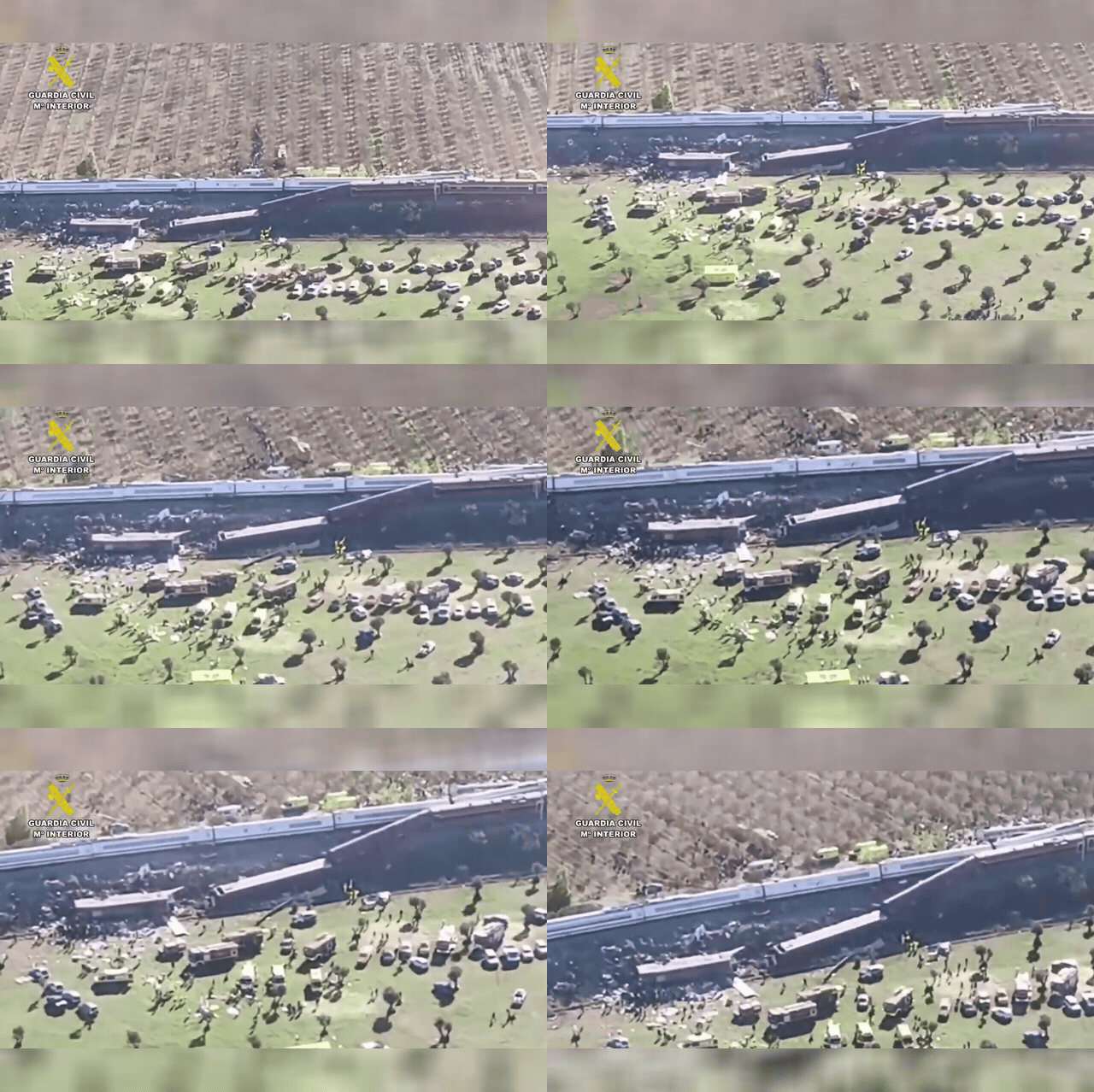
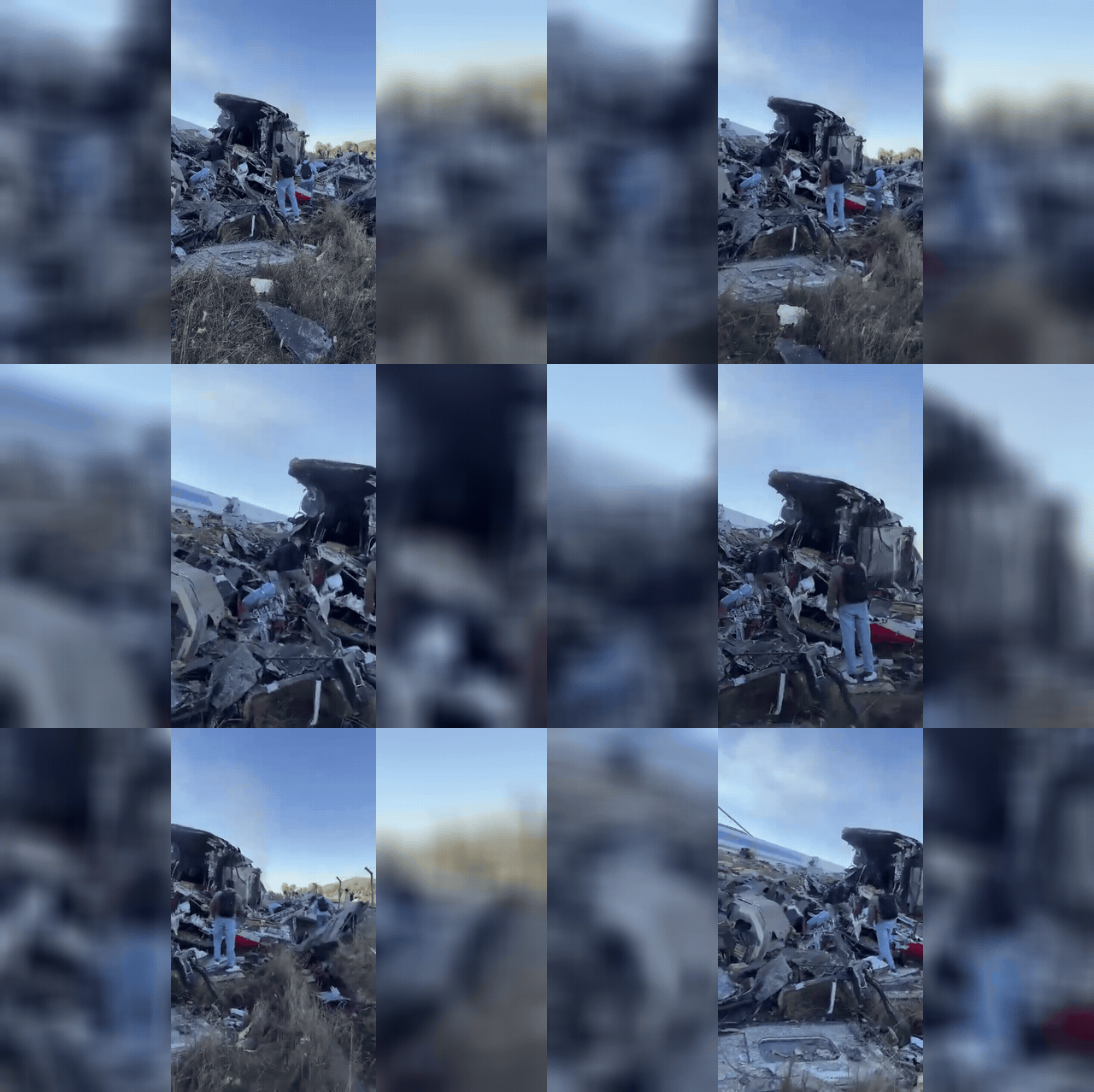
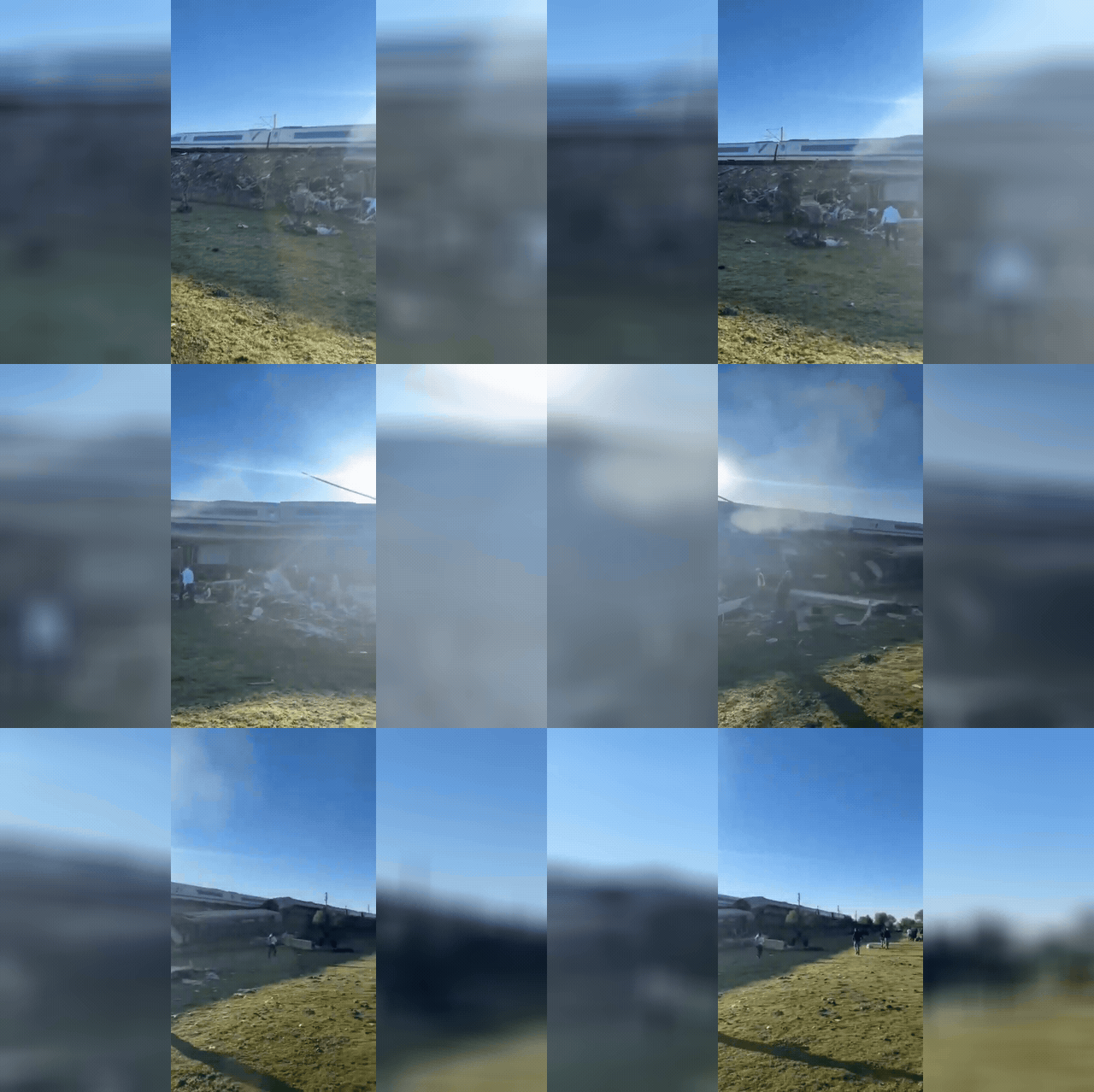
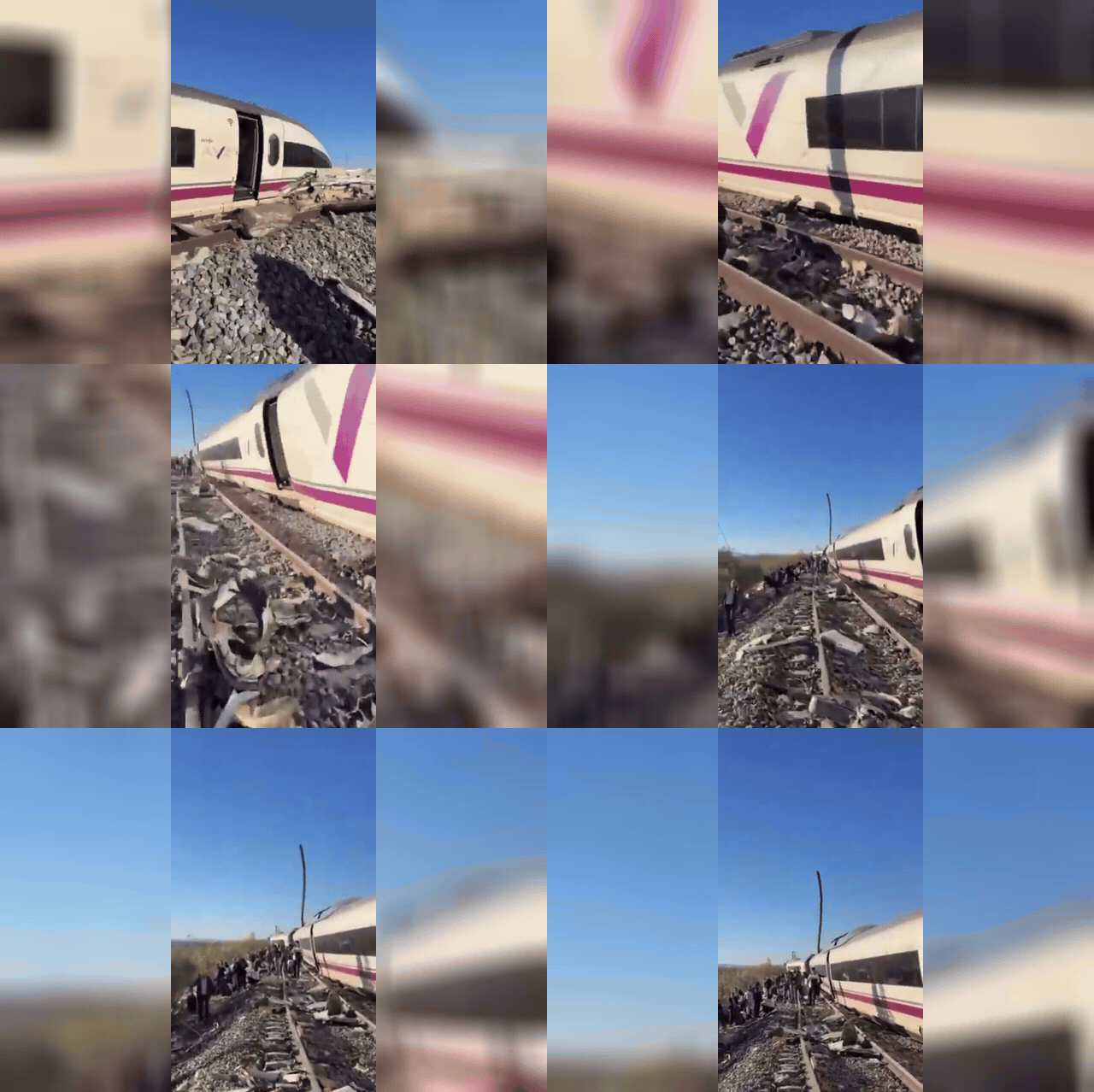
Wrecked carriages thrown down an embankment near Urda, Toledo, after controllers directed a Renfe train to resume at full speed into a stationary Iryo service carrying 147 passengers.Smoke rises from derailed carriages between Los Yébenes and Urda after the crash, which emergency crews feared could surpass the Adamuz disaster, where 46 people died in January.Mangled wreckage on its side after two high-speed trains collided in Toledo province, Spain, killing at least 39 people and leaving survivors scrambling clear while passengers remained trapped.The derailed train near Urda, Toledo, where a computer failure prompted controllers to direct a Renfe service to resume at full speed — a decision Spain's Transport Minister Óscar Puente said left operators with "more…
Spain's transport minister Óscar Puente has confirmed that traffic controllers at Madrid's central command centre instructed a Renfe high-speed train to proceed at normal speed despite an active red signal, setting off the collision near Toledo that left 68 dead and more than 100 injured. Puente described the instruction as "inexplicable" and said the Renfe train could have been doing as much as 200 km/h at the moment it hit the stationary Iryo service. Human error has not been ruled out, and investigators are examining the decision made by Adif, the state-owned rail infrastructure company.
The automatic safety system — a 1960s-era network covering 63km of track — had already halted six trains before controllers overrode it.
Rail unions had planned a 24-hour safety strike for Thursday, warning of long-standing reliability failures across Spain's network.
Spain is in three days of mourning; the crash is the country's deadliest rail disaster in a decade and its second fatal high-speed collision this year.