Spain's transport minister blames controllers for the crash that killed 69, saying 'they had a clear view' of the danger
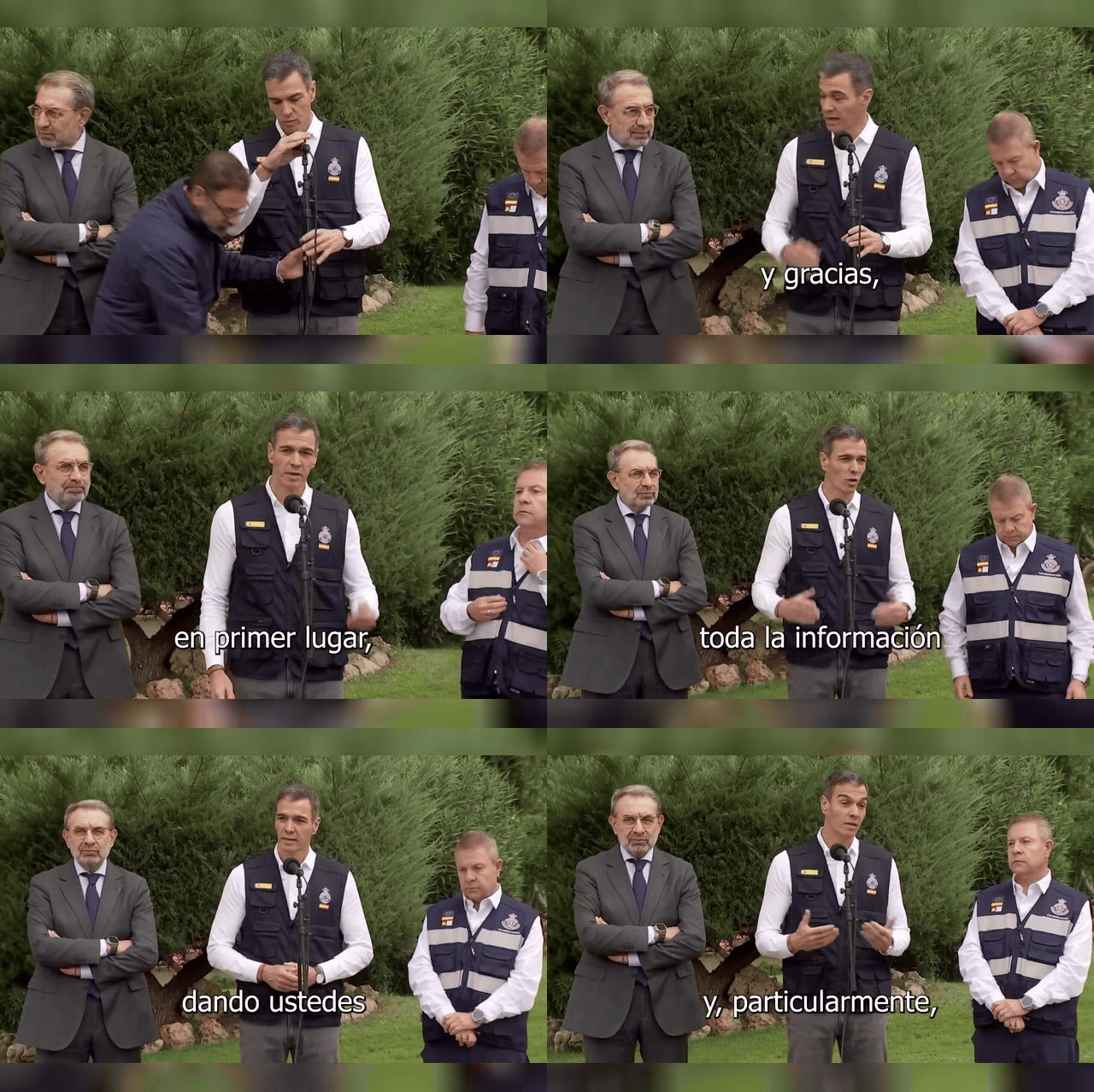
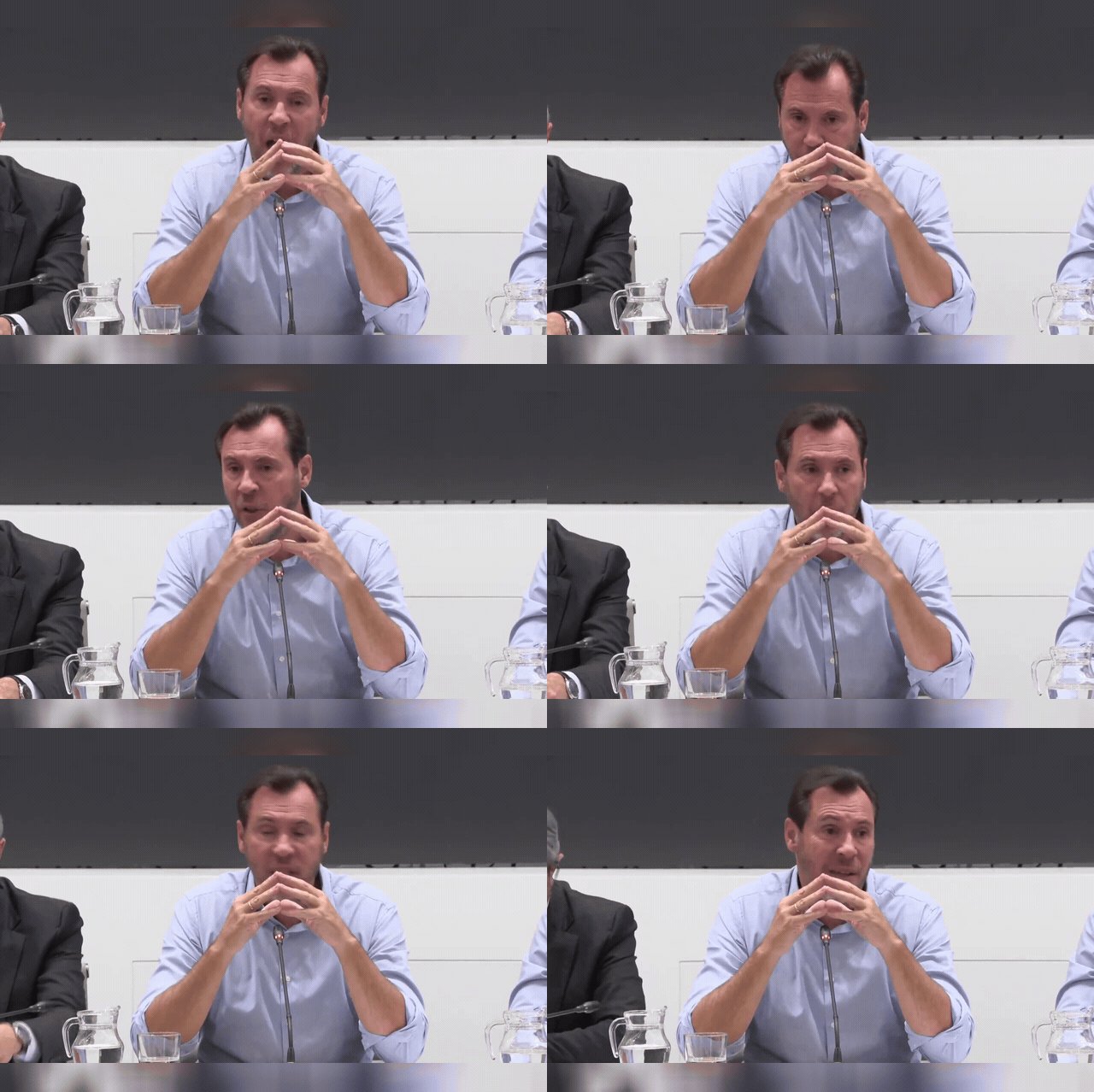
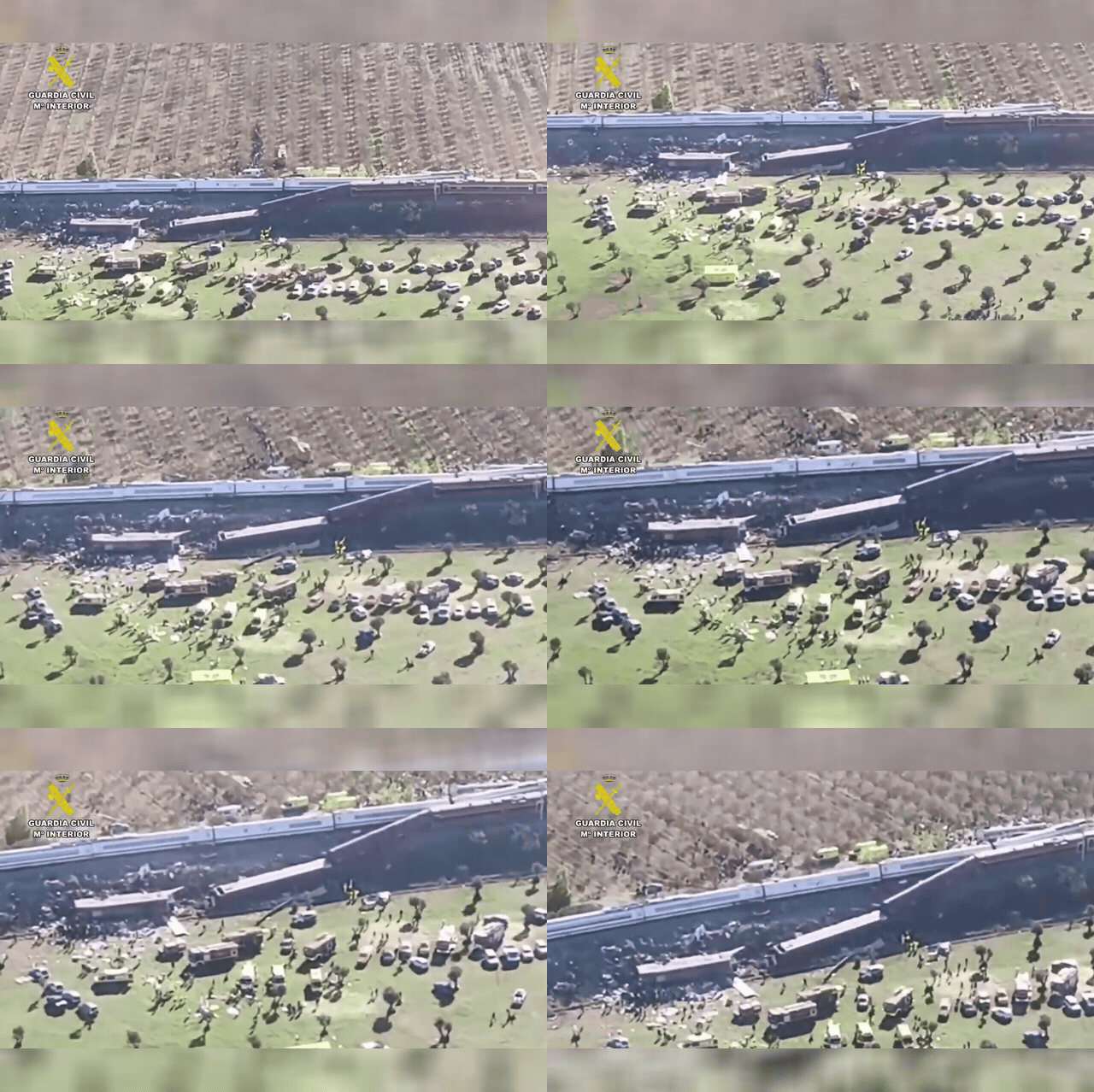
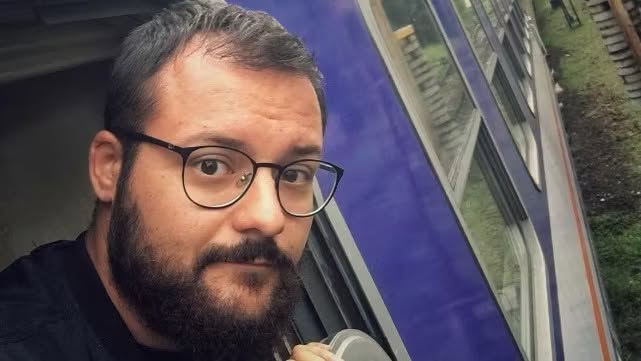
Pedro Sánchez, whose government's preliminary AITAT report found the Renfe train was travelling at between 99 mph and 124 mph before striking the stationary Iryo service.Transport minister Óscar Puente at his press conference, where he rejected calls to resign, saying "the easy thing would be to leave" but that Pedro Sánchez had asked him to stay and fix the problem.Wrecked carriages thrown down an embankment near Urda, Toledo, after controllers directed a Renfe train to resume at full speed into a stationary Iryo service carrying 147 passengers.Antonio Acedo, the train driver who died in the crash, which left more than 100 others injured and drew victims from 23 different countries.
Spain's transport minister Óscar Puente has revealed that rail traffic controllers authorised a passenger train to accelerate to roughly 100mph directly toward a stationary train on the same track, despite live displays in the Madrid control room showing the danger in real time. The LZB automatic safety system failed at 8:31am, shifting operations to emergency manual mode — but controllers then bypassed basic verification protocols for 17 minutes before the impact. A judicial inquiry is now underway, and Puente is also considering suspending the Madrid-Barcelona high-speed line, Spain's busiest, for up to two years of maintenance.
Controllers had 'multiple opportunities' to halt the trailing train but failed to act, Puente said, while insisting he would not name individual workers.
Spain has now suffered two deadly high-speed collisions within nine months — 46 were killed in January near Córdoba on the same Madrid-Seville line.
Cambridge biologist Dr Marta Shahbazi, 41, remains missing after travelling in the front carriage; her brother Carlos says 'we are clinging to a final shred of hope'.