Spain's transport minister refuses to resign, insisting he has 'nothing to hide' over the high-speed rail crash that killed 69
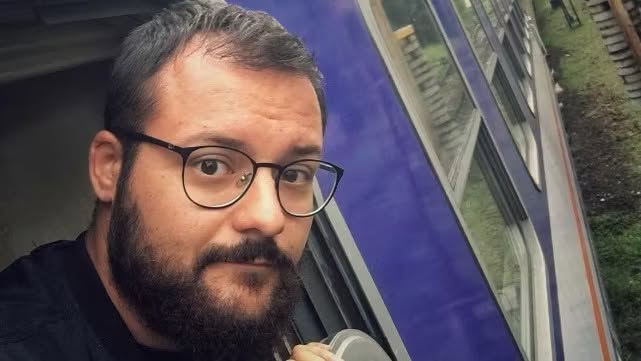
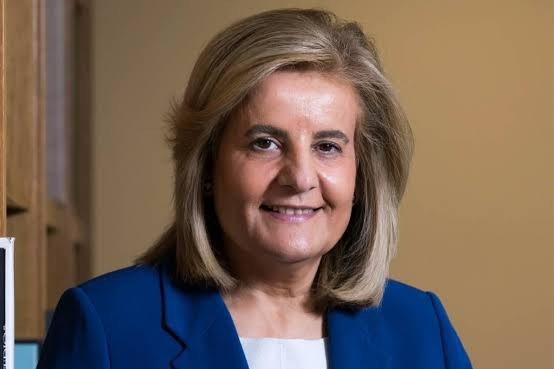
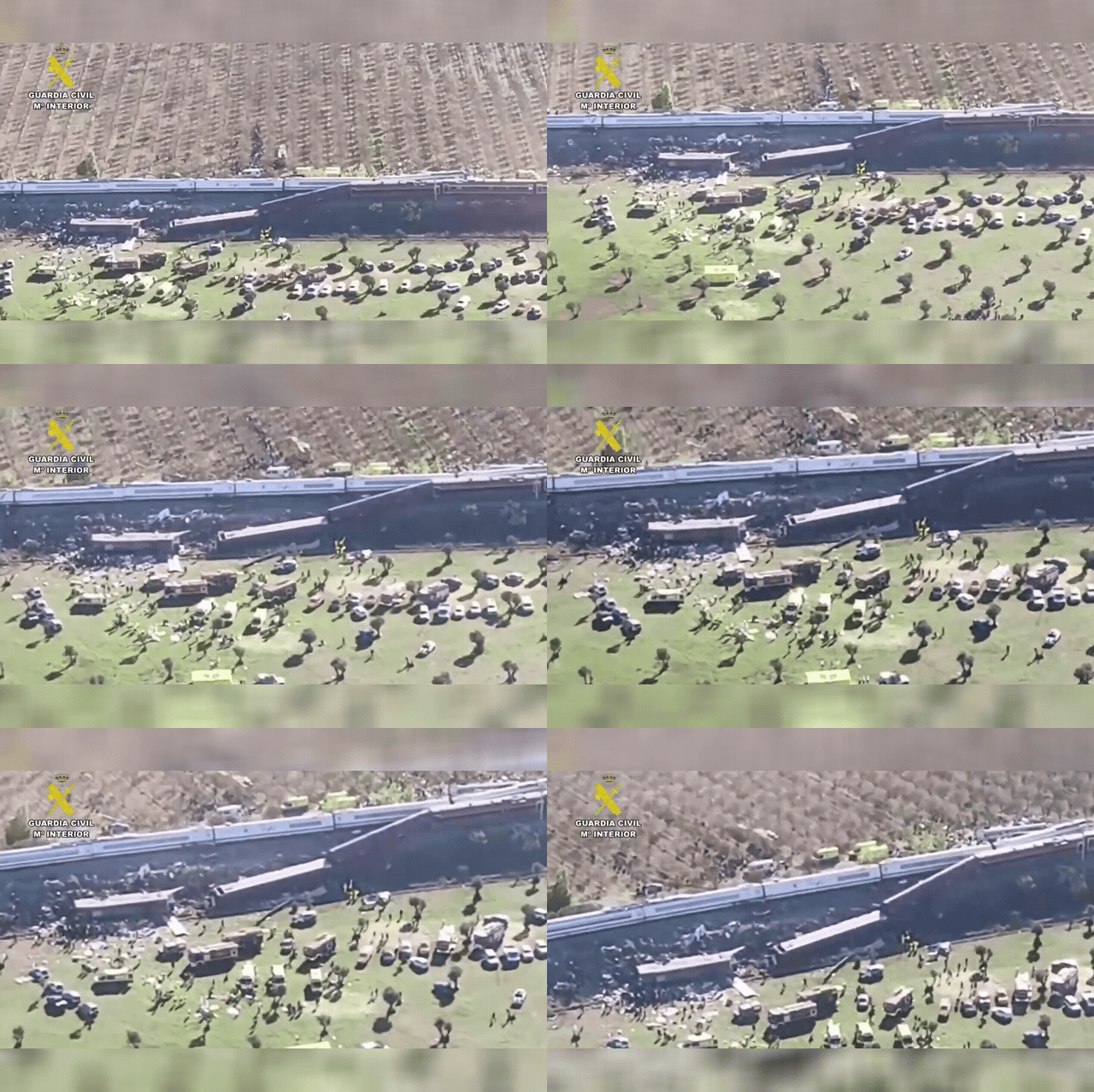
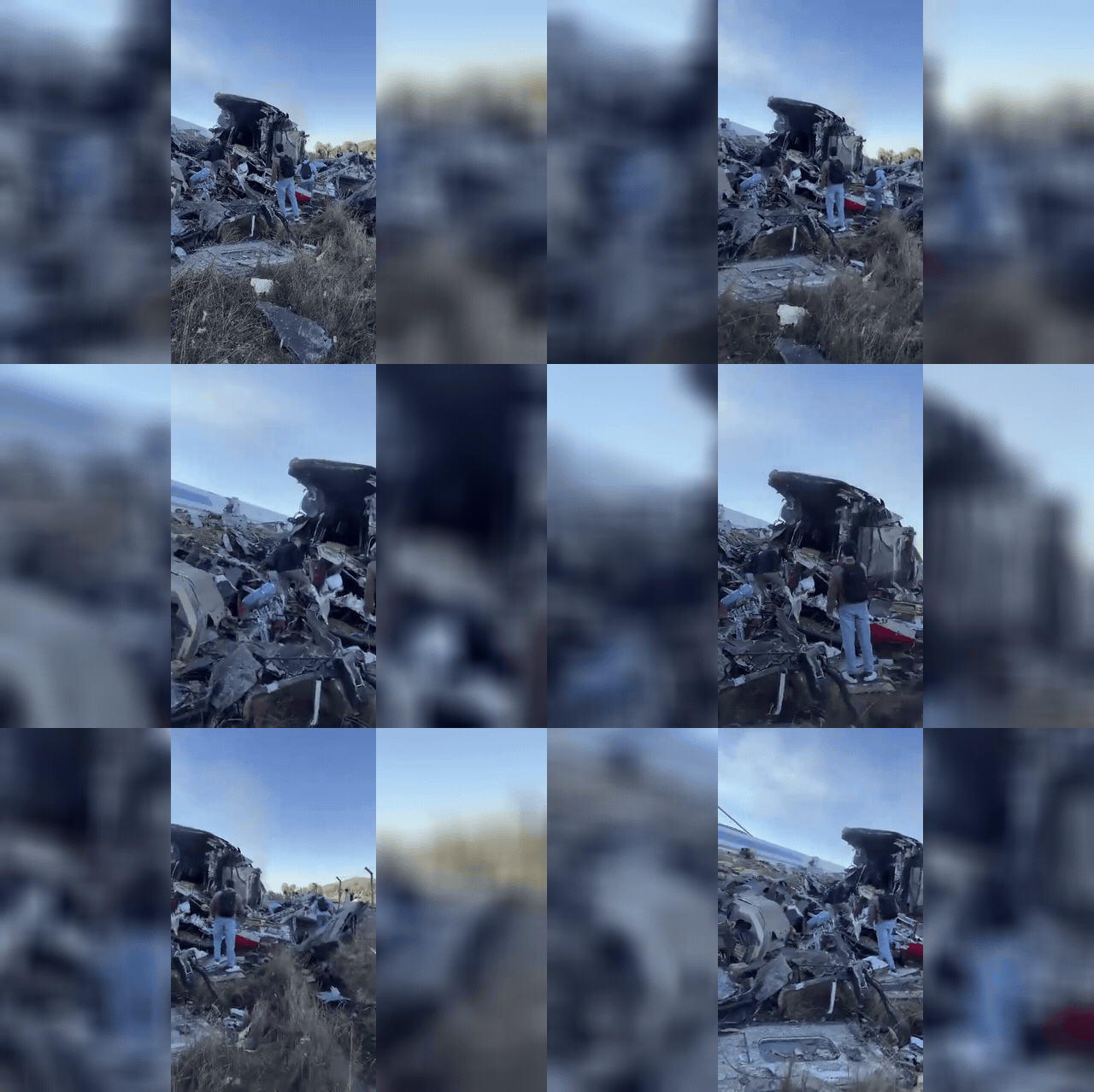
Train driver Antonio Acedo, 36, who activated the emergency brake before the collision but was killed instantly when Madrid's control room directed him to resume normal speed without warning him of the stationary Iryo…Fátima Báñez, who pioneered controversial labour reforms as employment minister under Mariano Rajoy, was confirmed dead by the business confederation she chaired.Wrecked carriages thrown down an embankment near Urda, Toledo, after controllers directed a Renfe train to resume at full speed into a stationary Iryo service carrying 147 passengers.Smoke rises from derailed carriages between Los Yébenes and Urda after the crash, which emergency crews feared could surpass the Adamuz disaster, where 46 people died in January.
Spain's prime minister Pedro Sánchez admitted that "'trust in high-speed rail has been broken'" after Wednesday's computer-failure crash near Urda, Toledo, which killed at least 69 people from 23 different countries and left more than 100 injured. Transport minister Óscar Puente then flatly rejected calls to quit, vowing to focus on solutions rather than his own position. The crash was Spain's second deadly high-speed rail disaster this year — and its deadliest since 2013.
Puente said "the easy thing would be to leave" but the prime minister had asked him to stay and fix the problem.
A preliminary AITAT report found the Renfe train was moving at speeds of 99 mph to 124 mph before it struck the stationary Iryo train.
Mechanical engineering professor Francisco Badea Romero said he would personally avoid Spain's high-speed trains until he saw evidence things had improved.