
Stanford scientists transplant human brain tissue into mice to unlock cures for autism and schizophrenia
From the Newshound archive · first published 19 September 2026.
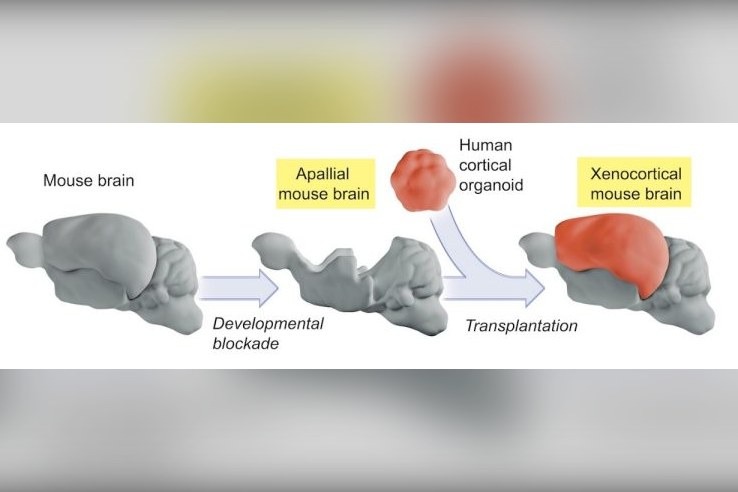
Stanford University researchers have bioengineered mice whose cerebral cortex is more than 90 per cent human brain tissue, creating a living model for studying devastating neurological conditions that are almost impossible to research in people. Professor Sergiu Pasca's team used stem cells to grow 3D human brain organoids, then transplanted them into mice genetically altered to remove most of their own cortex. By six months after the procedure, the hybrid animals were functioning normally, with human tissue integrating into the rodents' vasculature, neural cells and spinal cord. Researchers say the breakthrough could accelerate treatments for hundreds of millions of people living with schizophrenia, epilepsy, profound autism, cerebral palsy, and frontotemporal dementia.
Human brain tissue is almost entirely inaccessible for direct research due to ethical restrictions, making the mouse model a landmark workaround.
Within three months of transplantation, human-derived cells accounted for more than 90 per cent of the cortical tissue in the experimental mice, with the human cells 'surviving, thriving and growing'.
Pasca said scientists can now take cells from dementia or neurological-condition patients, transfer them into the mice, and screen therapeutic candidates directly.